New Duramax V8 Engine
General Motors Confirms Massive 8.3L Duramax V8 Engine for 2027 Heavy-Duty Trucks
Anonymous
Key Points
1
The 8.3-liter engine would be the first Duramax pickup engine larger than 6.6 liters; Duramax diesel engines in Chevrolet and GMC pickups have remained at 6.6 liters since 2000.
2
The jump from 6.6 to 8.3 liters represents roughly a 26% increase in displacement, although the larger size alone does not guarantee class-leading horsepower or torque.
3
2027 Silverado HD and Sierra HD order guides list new engine codes, including L8S for the standard 6.6-liter gasoline V8 and L6P, which could identify the new diesel; this has fueled speculation that the 8.3-liter engine might be offered as a high-output option alongside the existing 6.6-liter diesel.
4
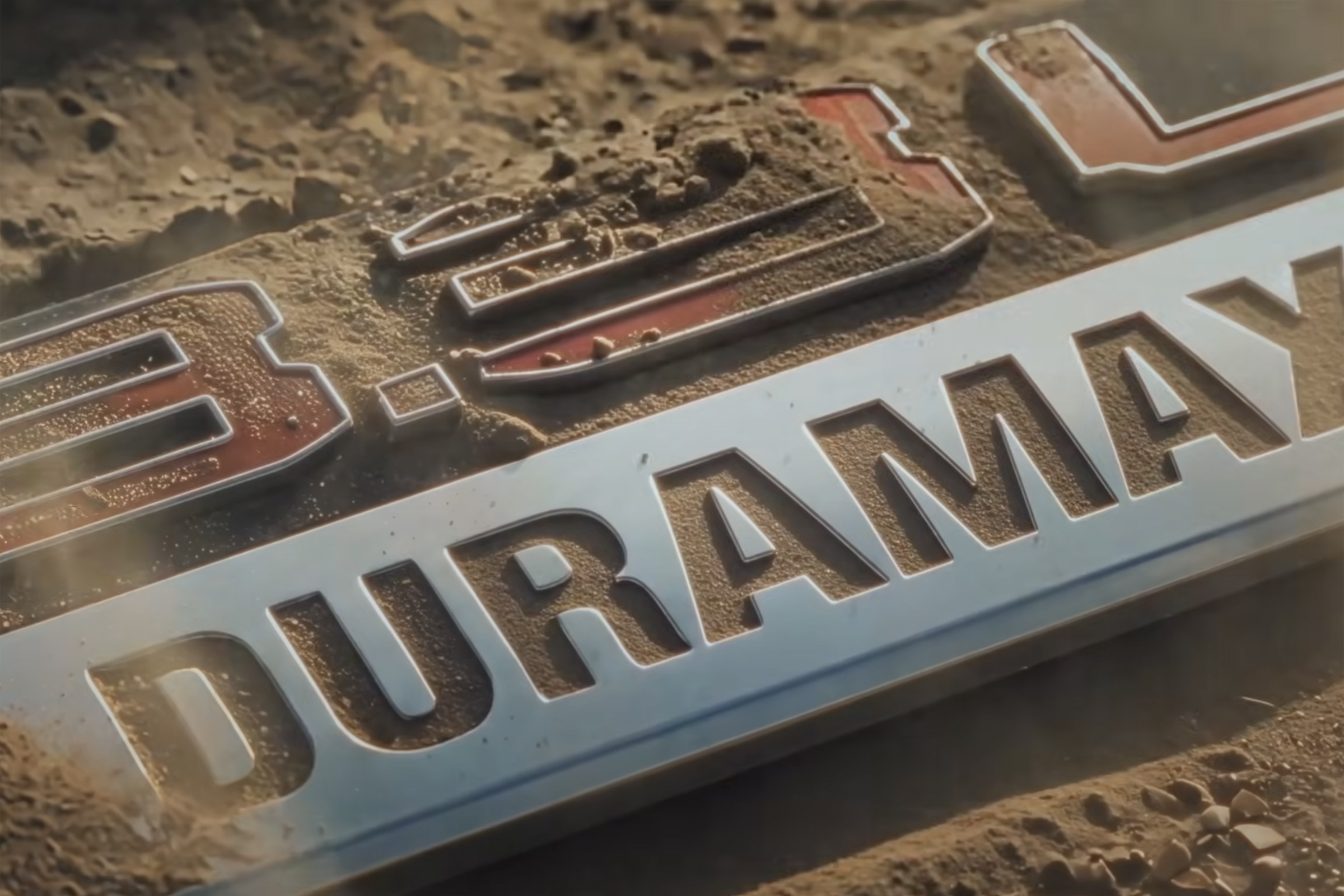
The teaser contains additional brand references: the mongoose has Chevrolet bow-tie emblems in its eyes, a shadow resembles the GMC logo, and a rattlesnake appears in the background.
5
Owners report that current diesel HD trucks typically achieve about 14–17 mpg when unloaded, according to Jalopnik, suggesting the larger engine could carry a meaningful fuel-economy penalty; the article cites average diesel prices of $6.51 per gallon nationally, $8.42 in California and $5.97 in Texas.
General Motors confirmed a new 8.3-liter Duramax turbodiesel V8, nicknamed "Mongoose," for 2027 Chevrolet Silverado HD and GMC Sierra HD trucks. OffRoad Xtreme reported this marks the first Duramax pickup engine larger than 6.6 liters since the engine debuted in 2000. The 26% jump in displacement directly challenges Ford's 6.7-liter Power Stroke, which produces 500 horsepower and 1,200 pound-feet of torque.
GM's teaser depicts a mongoose defeating a scorpion—Ford's internal codename for the Power Stroke. Yahoo Autos noted that order guides already list engine codes for the new truck generation, fueling speculation the 8.3-liter will launch alongside the existing 6.6-liter diesel rather than replace it outright. GM has not yet disclosed horsepower, torque, towing capacity, or pricing for the new engine.
A 26% Displacement Jump Reshapes Heavy-Duty Diesel Wars
The 8.3-liter engine represents the largest step up in Duramax displacement in two decades. The Auto Wire noted that GM's current 6.6-liter diesel produces 470 horsepower and 975 pound-feet of torque—still trailing Ford's Power Stroke in raw muscle. Larger displacement alone doesn't guarantee class-leading output, but it signals GM's intent to reclaim diesel leadership in HD pickups.
The timing matters. Ford has held the horsepower and torque crown with its 6.7-liter for years. By going bigger, GM forces Ford to either accept the displacement gap or develop a competing engine. The nameplay—mongoose versus scorpion—underscores the rivalry. OffRoad Xtreme reported the teaser even includes Chevrolet bow-tie emblems and GMC logo shadows in the artwork, embedding brand loyalty into the competitive narrative.
Fuel Economy Could Be the Hidden Cost
Bigger engines typically sip more fuel. Current diesel HD trucks average 14–17 mpg unloaded, according to reporting on owner data. A larger, more powerful 8.3-liter will likely drop below that range, raising operating costs for buyers. National diesel prices average $6.51 per gallon, but California drivers face $8.42 and Texas drivers $5.97.
For fleet operators and long-haul owners, this penalty stings. A truck doing 50,000 miles annually at 15 mpg consumes 3,333 gallons yearly. Drop to 12 mpg and that jumps to 4,167 gallons—an extra $6,000 per year at $6.51 per gallon. GM has not revealed the new engine's fuel economy targets, leaving buyers guessing about true operating costs.
GM May Offer Both Engines Rather Than Replace
Yahoo Autos reported that 2027 order guides list multiple engine codes, including the L8S for the standard 6.6-liter gasoline V8 and an L6P designation that could identify the new diesel. This suggests the 8.3-liter might launch as a premium option rather than immediately displace the existing 6.6-liter Duramax. A two-engine lineup keeps costs lower for base buyers while offering maximum power for work-focused customers.
This strategy mirrors Ford's approach with multiple Power Stroke offerings. Archy Netys noted that GM frames the Mongoose as part of a broader efficiency and emissions reduction push. If both engines coexist, buyers gain choice—fuel economy and lower price with the 6.6L, raw power with the 8.3L. GM's silence on displacement details suggests the company is managing expectations ahead of official specs.
Sentiment
Mostly NegativeNEGATIVENEUTRALPOSITIVE
Publishers
21
Articles
10
Reach
31
A
AnonymousAuthor


