Kaepernick Questions Jay-Z Deals
Colin Kaepernick Criticizes Jay-Z Over Corporate Partnerships and Accountability
Anonymous
Key Points
1
In 2017, Jay-Z reportedly asked Colin Kaepernick to kneel onstage during a Story of O.J. performance, a plan Kaepernick declined partly because he objected to the lyrics' use of racial slurs; Jay-Z also wore Kaepernick's jersey during a 2017 SNL appearance, signaling early collaboration before their relationship later soured.
2
Kaepernick recalled that the 2019 Rock Nation NFL partnership was controversial, and he told Jay-Z that he was the 'music guy' they rely on while warning that 'they quite literally need a Black face'—a critique of how some institutions instrumentalize Black figures.
3
Jay-Z’s July Yankee Stadium freestyle included the line about a non-disparagement clause tied to his exclusive Reasonable Doubt vinyl with Target, while defending the deals by saying 'Half a billion back to the community'—a framing of the partnerships as beneficial despite ongoing backlash.
4
The Target-exclusive edition of Jay-Z’s 'Reasonable Doubt' drew civil rights criticism and protests over DEI commitments, illustrating persistent activist scrutiny of celebrity-brand collaborations that intersect with Black communities.
Colin Kaepernick is escalating his criticism of Jay-Z, accusing the rapper of acting out a guilty conscience over deals with the NFL and Target. Kaepernick says he never signed a non-disparagement agreement in his 2019 NFL settlement, freeing him to speak openly. NBC News reports that Kaepernick frames Jay-Z's recent statements as an attempt to reshape the narrative around high-profile partnerships that drew fire from civil rights activists.
The feud reignited after Jay-Z's July Yankee Stadium freestyle defended his business deals by claiming 'Half a billion back to the community.' Kaepernick contends that such partnerships instrumentalize Black figures. The dispute highlights deeper tensions about how celebrities balance activism with corporate ties and whether such alliances truly serve Black communities or exploit them.
How Jay-Z and Kaepernick's Alliance Fractured
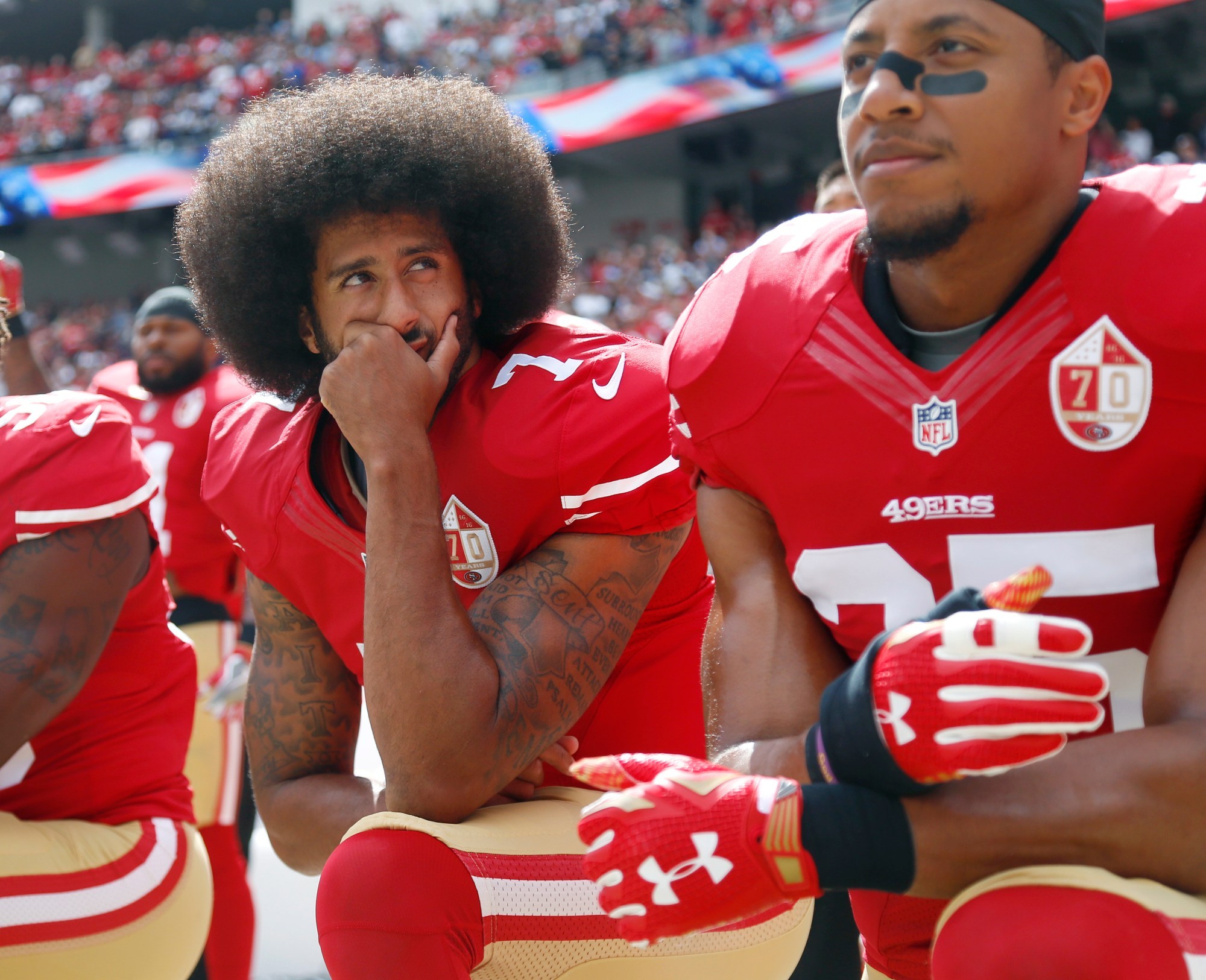
Jay-Z and Kaepernick initially aligned around racial justice. In 2017, Jay-Z wore Kaepernick's jersey during an SNL appearance and reportedly asked Kaepernick to kneel onstage during a Story of O.J. performance. Kaepernick declined, partly objecting to the song's use of racial slurs. The early collaboration signaled shared values but masked deeper disagreements about tactics and messaging.
By 2019, tensions surfaced over Jay-Z's Rock Nation partnership with the NFL. Kaepernick warned Jay-Z directly: he was the 'music guy' they rely on while cautioning 'they quite literally need a Black face.' The critique cut at how institutions use Black artists to deflect criticism. Jay-Z proceeded with the deal despite Kaepernick's concerns, fracturing their alliance.
Kaepernick's Challenge to Jay-Z's Latest Defense
Jay-Z's July freestyle tried to deflect criticism by framing his deals as charitable. He referenced a non-disparagement clause tied to his exclusive Reasonable Doubt vinyl with Target, suggesting critics misunderstood the business. Kaepernick responded by clarifying he faced no such restrictions in his 2019 NFL settlement, giving him room to critique publicly.
Kaepernick told NBC News that Jay-Z's defensive posture signals guilt. He argues the rapper is reshaping the narrative rather than engaging with legitimate concerns. For Kaepernick, accountability means celebrities must answer for partnerships with institutions his movement challenged, not deflect criticism with charitable claims.
Target Deal Draws Activist Scrutiny and Backlash
Jay-Z's Reasonable Doubt exclusive with Target sparked protests over the retailer's DEI commitments and perceived disconnects between brand values and activist demands. Civil rights groups questioned whether the partnership genuinely served Black communities or exploited social justice language for profit. The backlash echoed earlier criticism of corporate activism.
Kaepernick is making his own publishing stand. His memoir, The Perilous Fight, will not be sold through Target. Instead, it will align with independent Black-owned bookstores. This choice mirrors his broader critique: celebrities and athletes must choose partners and platforms that align with community interests, not corporate convenience.
A Wider Debate Over Celebrity and Corporate Power
The Kaepernick-Jay-Z dispute reflects a larger question facing Black activists and artists: how to navigate corporate partnerships without compromising values. NBC News coverage suggests this tension defines modern social justice movements. High-profile deals offer resources but risk co-optation and silence critics through legal constraints.
Kaepernick's refusal to sign a non-disparagement clause and his choice to avoid Target position him as a counter-example to Jay-Z's approach. For Kaepernick, staying independent means maintaining the moral authority to challenge institutions. The ongoing dispute shows accountability matters more to some activists than access to corporate backing.
Sentiment
Mostly NegativeNEGATIVENEUTRALPOSITIVE
Publishers
14
Articles
43
Reach
57
A
AnonymousAuthor


