Royal Navy Monitors Russian Fleet
Royal Navy conducts intensive operation tracking Russian shadow fleet across UK waters.
Anonymous
Key Points
1
HMS Mersey was monitoring the Russian replenishment vessel Akademik Pashin during the operation.
2
The Smyrtos interception in June was conducted with support from the RAF and lasted about six hours.
3
National Crime Agency officers arrested an Indian national, 38, on suspicion of sanctions offences related to the Smyrtos incident.
4
The operation contributed to shadow fleet vessels altering their routes, incurring additional costs and delays for Russia.
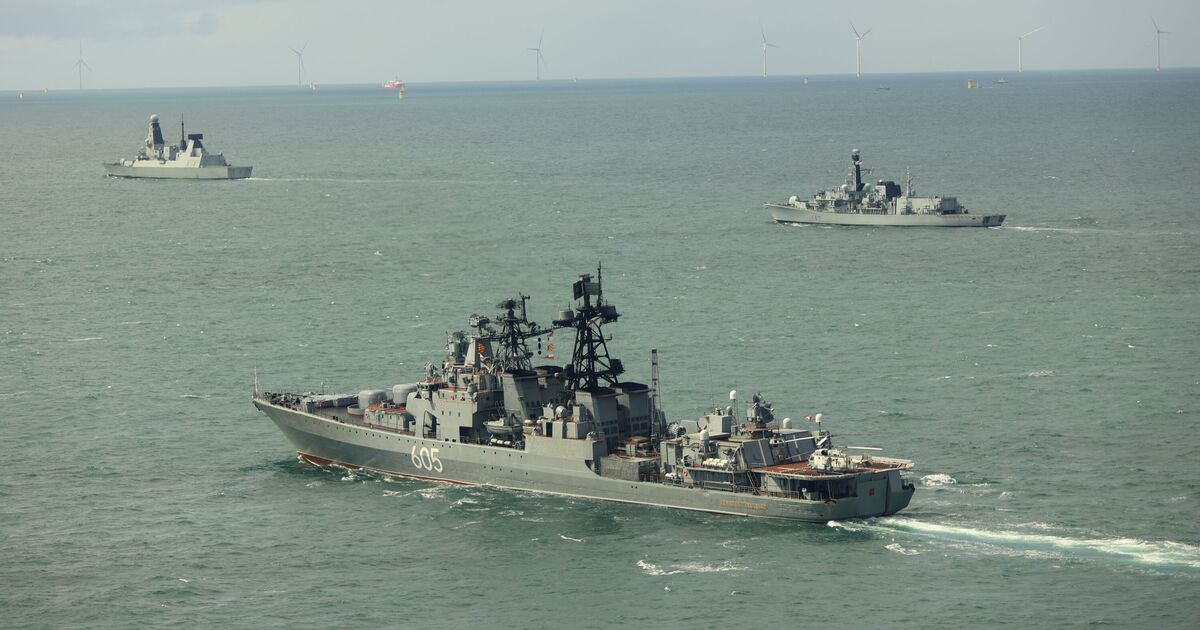
The Royal Navy spent 72 intense hours tracking Russian warships as they crossed UK waters this week. Express reported that HMS Duncan, HMS St Albans, and HMS Severn monitored the Admiral Levchenko and other Russian vessels moving from the North Sea into the English Channel, with a Merlin helicopter providing aerial surveillance throughout the operation.
Russia responded by deploying the Neustrashimy frigate and additional assets to shadow the British task force. ITV noted that a NATO ally took over monitoring duties near Ushant after the coordinated surveillance ended, marking another escalation in maritime tensions over Russia's shadow fleet operations.
Three Days of Constant Russian Tracking
The operation involved three Royal Navy ships and a helicopter working together to monitor sanctioned Russian vessels. Yahoo News described how HMS Duncan, a Type 45 destroyer, led the effort alongside the Type 23 frigate HMS St Albans and patrol vessel HMS Severn. The ships tracked the Admiral Levchenko, General Skobelev, and Sparta as they transited through UK territorial waters.
According to Vijesti, radar systems tracked four ships sailing from the North Sea towards the English Channel during the surveillance period. The intense operation showed Britain's commitment to monitoring Russian activity, even as Moscow deployed its own warships to watch the British task force in return.
Shadow Fleet Tactics Cost Russia Time and Money
British naval officials argue that Russia's shadow fleet—vessels used to dodge sanctions—forces Moscow to divert valuable warships from combat operations. These sanctioned cargo ships must take longer routes to avoid detection, adding days to voyages and draining resources. The Royal Navy's aggressive monitoring pushes Russian logistics into costlier alternatives.
The operation contributed to Russian vessels altering their planned routes, incurring significant additional costs and delays for Moscow's war effort. ITV reported that First Sea Lord General Sir Gwyn Jenkins emphasized there is no room for complacency, warning of ongoing risks to maritime security and the environment from these shadow fleet activities.
Expanding Royal Navy Enforcement Operations
The UK has dramatically increased its monitoring intensity. Reports show a 25 percent rise in Royal Navy tracking operations through 2026 compared with the previous year. This reflects Britain's broader strategy to disrupt Russian logistics and enforce international sanctions more aggressively.
In June, the Royal Navy boarded the Smyrtos with support from RAF assets in a six-hour operation that underscored Britain's willingness to physically intercept sanctioned vessels. Yahoo News noted that authorities arrested an Indian national, 38, on suspicion of sanctions offences related to the Smyrtos incident, highlighting coordinated enforcement across maritime and criminal justice systems.
Sentiment
Mostly PositiveNEGATIVENEUTRALPOSITIVE
Publishers
11
Articles
63
Reach
74
A
AnonymousAuthor