No NATO Attack Risk
Finnish President Alexander Stubb Says Russia Unlikely to Attack NATO
Anonymous
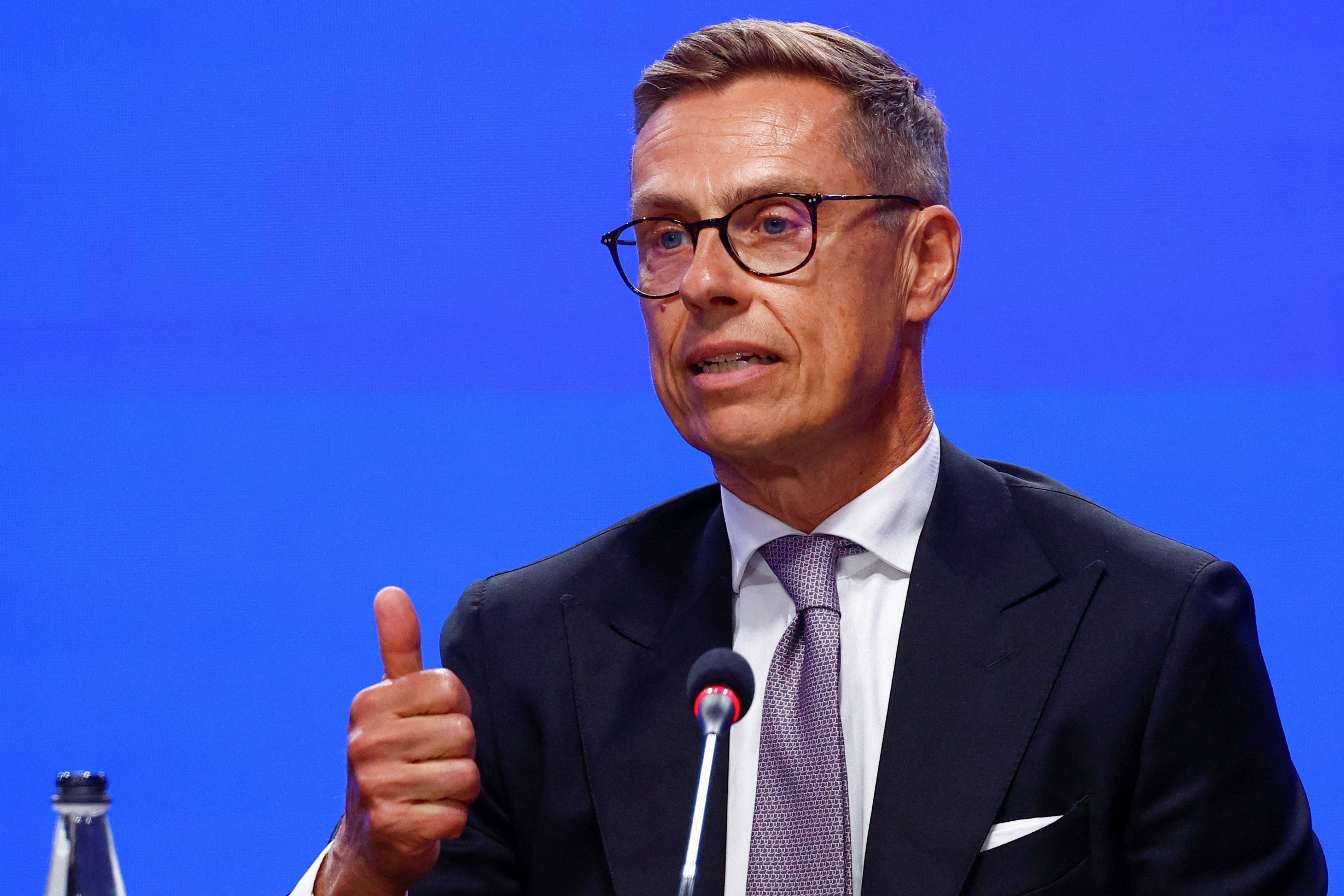
Finland's President Alexander Stubb said Russia is unlikely to attack NATO, telling Germany's Bild newspaper it would "make no sense" to test the alliance. Reuters reported that Stubb believes Russia cannot afford a two-front war while bleeding troops in Ukraine at a rate of 30,000-35,000 monthly, with only 27,000 new recruits coming in.
Western officials have warned of rising risks from Russian hybrid operations, including cyber attacks that could spark confrontation with NATO. But Stubb argued Ukraine is now in its strongest position since the war began, and if Ukraine falls, Europe loses too.
Russia Stretched Too Thin Across Two Theaters
Stubb's assessment hinges on Russia's military overstretch. Reuters confirmed that Russian forces lose 30,000-35,000 soldiers monthly in Ukraine while recruiting only 27,000. This gap leaves Moscow unable to simultaneously wage war in Ukraine and risk a NATO confrontation.
The math is simple: Russia cannot replace its losses fast enough. Stubb told Bild that mounting a NATO attack under these conditions would be strategically reckless and needlessly gamble with the Kremlin's survival.
NATO's Deterrent Remains Unproven but Intact
Despite Stubb's optimism, Western intelligence agencies have flagged growing concerns about Russian hybrid warfare. These operations—cyber attacks, sabotage, disinformation—could provoke escalation without crossing into open military conflict.
Stubb argues the alliance's unified response to Ukraine invasion signals resolve. Testing NATO directly would expose Russia to overwhelming conventional military superiority and economic isolation neither Moscow nor its allies can endure.
Ukraine's Strength Reshapes Europe's Security Calculus
Stubb stated Ukraine occupies its strongest battlefield position since Russia's February 2022 invasion. Improved weaponry, hardened forces, and Western support have shifted momentum away from Moscow's initial blitzkrieg strategy.
The Finnish president delivered a stark warning: if Ukraine loses, Europe loses. This framing elevates Ukrainian victory from a regional issue to an existential European security concern, justifying continued Western aid despite war fatigue.
Sentiment
NeutralNEGATIVENEUTRALPOSITIVE
Publishers
6
Articles
6
Reach
6
Topics
A
AnonymousAuthor