Energy Security Strategy
India successfully shields domestic consumers from global energy shocks amid supply disruptions.
Anonymous
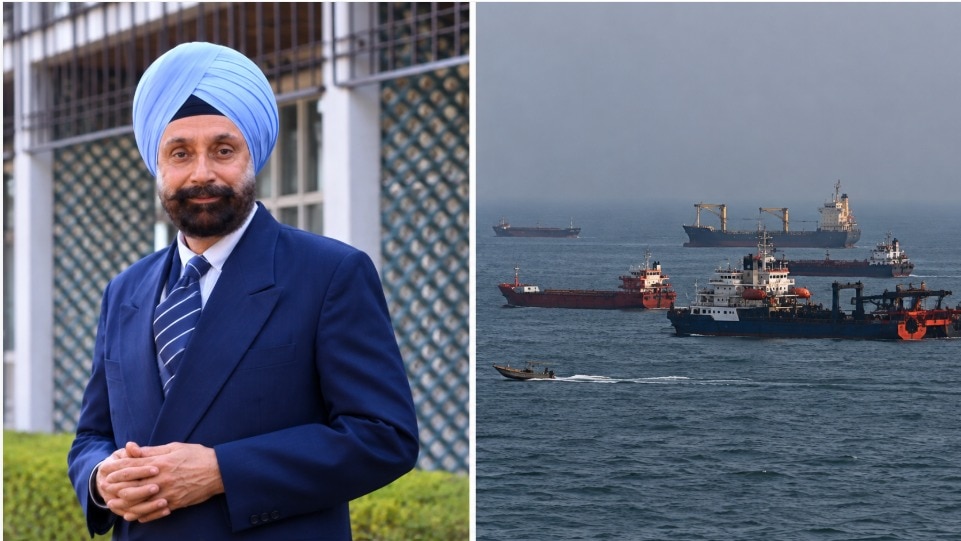
Petroleum Minister Hardeep Singh Puri said India has so far avoided domestic energy shortages amid West Asia-related disruptions to crude and natural gas supplies, but warned that global energy markets remain vulnerable. He said the main problem is moving fuel through disrupted routes rather than a lack of crude, with about 40% of energy movement affected; the Strait of Hormuz is a key risk, and Red Sea rerouting faces security threats. India has expanded its crude suppliers from 27 countries to 41 to reduce reliance on any one region. Puri credited years of investment in supply diversification, refining, storage, infrastructure and policy reforms for strengthening resilience, while identifying LPG availability as his chief concern as household connections have risen to 33.5 crore. He said India will continue strengthening energy security while balancing economic growth and decarbonization.
Key Points
1
Puri said global crude supply was about 104 million barrels a day against consumption of roughly 94 million barrels, underscoring that the crisis is primarily one of transporting fuel rather than a worldwide shortage.
2
India’s three major energy suppliers—Qatar, the UAE and Saudi Arabia—are in or near the conflict zone, while rerouting shipments through the Red Sea also risks Houthi attacks on shipping.
3
India increased daily LPG production to 54,000 metric tonnes from 34,000 metric tonnes, according to Puri, as the country’s household LPG connections grew.
4
Puri said India is strengthening its energy-security architecture through initiatives including Samudra Manthan, GOBARdhan and expanded piped natural gas, arguing that resilience must be built before a crisis arrives.
Sentiment
Mostly PositiveNEGATIVENEUTRALPOSITIVE
Publishers
24
Articles
19
Reach
43
A
AnonymousAuthor


