India's Energy Independence Push
India to Auction 250,000 Sq Km Offshore Blocks to Boost Energy Security and Cut Imports
Anonymous
Key Points
1
The government has committed a $10 billion program to facilitate the oil and gas exploration push, aimed at attracting global investors such as BP, Shell and TotalEnergies.
2
In the 2025-2026 period, domestic crude production stood at about 25.98 million metric tonnes, roughly 522,000 barrels per day, underscoring the scale of the output gap compared with demand.
3
The offshore and deepwater expansion is explicitly focused on the Andaman Basin, with officials highlighting opportunities around the Andaman and Nicobar Islands as a major energy frontier.
4
India has diversified its crude suppliers to 41 countries, and officials frame this as a pragmatic approach to secure affordable, reliable energy amid Western criticism of Russian oil purchases.
5
Domestic production remains concentrated in the Mumbai offshore region, with additional output from Rajasthan, Gujarat and Assam.
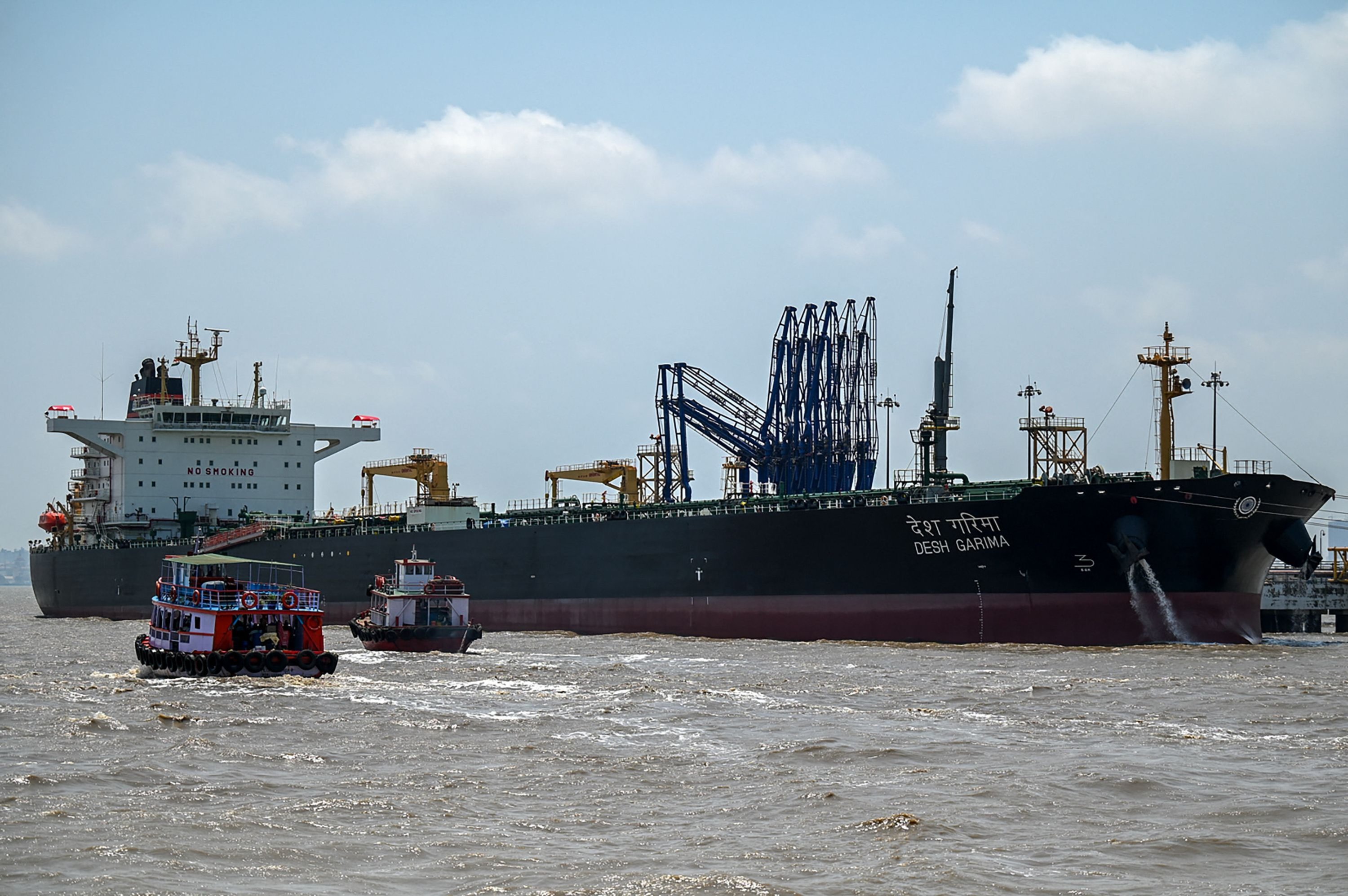
India is planning to auction about 250,000 square kilometres of unexplored offshore territory for oil and gas exploration, its biggest such push in decades. The move comes after the Middle East war triggered India's largest energy supply shock in years, exposing how dependent the country is on foreign crude, according to South China Morning Post.
Oil Minister Hardeep Singh Puri said the disruptions to Middle East energy flows made the case clear: India must produce more of its own oil. Right now, domestic output covers only about 10% of the country's needs, according to Daily Sabah.
A $10 Billion Bet on Deepwater Exploration
The government has committed $10 billion to attract global energy investors, according to Peak Oil. Companies like BP, Shell, and TotalEnergies are among the targets. The program, called Samudra Manthan — a Sanskrit term meaning "churning of the ocean" — focuses heavily on offshore and deepwater drilling.
A key focus is the Andaman Basin, near the Andaman and Nicobar Islands in the eastern Indian Ocean. Officials describe it as a major untapped energy frontier. India's current offshore production is concentrated around the Mumbai coast, with smaller output from Rajasthan, Gujarat, and Assam, according to News Arena India.
Middle East War Exposed India's Energy Vulnerability
The Iran-U.S. conflict earlier this year sent shockwaves through global oil markets and squeezed supplies flowing through the Strait of Hormuz. For India — the world's third-largest oil importer — the shock was severe. Minister Puri called it the country's biggest energy supply disruption in decades, according to South China Morning Post.
India's domestic crude production in 2025-2026 stood at just 25.98 million metric tonnes, or roughly 522,000 barrels per day, according to 24 News HD. That is a fraction of what the country consumes. The gap between what India produces and what it needs leaves it deeply exposed to global supply shocks.
India Diversifies Suppliers Across 41 Countries
To reduce risk, India has spread its crude purchases across 41 different countries. Officials say this is a deliberate strategy to ensure affordable, reliable supply. The approach has drawn Western criticism, largely because it includes continued purchases of discounted Russian oil since the Ukraine war began, according to Daily Sabah.
Minister Puri has been unapologetic. He frames energy decisions as practical, not political — "above ideology," as South China Morning Post put it. India's priority, he argues, is securing the cheapest, most reliable energy it can find for its 1.4 billion people.
Long Wait Before New Wells Ease Import Dependence
Experts caution that auctioning exploration blocks is just the first step. Deepwater drilling is expensive and complex. It can take a decade or more before new discoveries actually flow to market, according to News Arena India. That means the current exploration push will not quickly ease India's reliance on imports.
Still, officials argue the long-term payoff justifies the investment. Every barrel produced at home is one fewer barrel India has to buy abroad. With demand rising alongside a growing economy, the stakes for getting this right are high, according to Peak Oil.
Sentiment
Mostly NegativeNEGATIVENEUTRALPOSITIVE
Publishers
13
Articles
26
Reach
39
A
AnonymousAuthor


