Protecting Festive Street Vendors
NHRC Directs States And Territories To Protect Festive Vendors From Unnecessary Displacement
Anonymous
Key Points
1
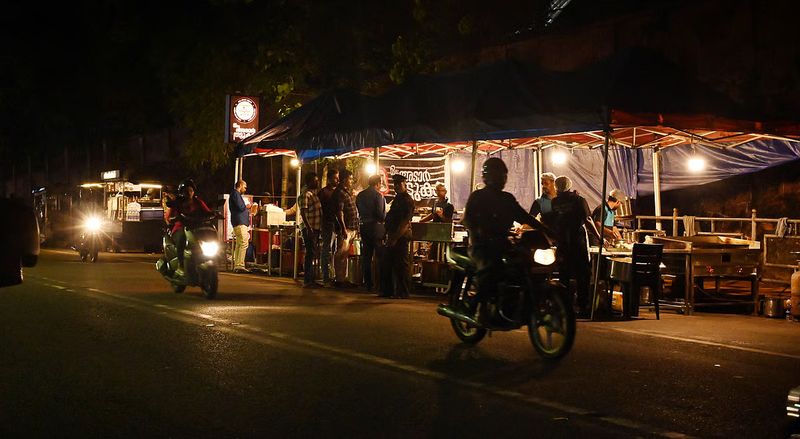
The directions explicitly cover a range of seasonal trades, including local diya and murti makers and sellers, small sweet vendors, flower sellers (malies), vegetable sellers and rangoli-colour sellers.
2
The Commission’s intervention follows similar complaints during the previous festive season: an NHRC bench led by Member Priyank Kanoongo had directed the concerned states and local authorities to examine the allegations and take action.
3
The directions are framed for the approaching October–November festive period, and the NHRC called for them to be circulated among district magistrates, municipal authorities, police and other relevant officials.
India's National Human Rights Commission has ordered all states and union territories to stop removing street vendors, hawkers, and small traders from their spots during major festivals like Navratri, Diwali, and Chhath Puja. Global Kashmir The move comes after complaints of evictions, seized goods, fines, and harassment that have disrupted livelihoods during peak selling seasons.
The commission said authorities can only relocate vendors if there are genuine fire, safety, or emergency-access problems—and only if they offer alternative vending spaces first. The Statesman State leaders must now share these directions with district officials, police, and city authorities, with progress reports due by October 18, 2026.
Who the Commission Is Trying to Protect
The NHRC's order covers a wide range of seasonal traders. These include local diya and murti makers, sweet vendors, flower sellers, vegetable vendors, and rangoli-color sellers. Cobra Post Each of these groups depends heavily on festival sales to earn income for the year. Displacing them during Navratri, Diwali, and Chhath Puja directly harms their ability to support their families.
Why the Commission Is Stepping In Now
Similar complaints surfaced during last year's festival season. 10net An NHRC official named Priyank Kanoogo led an earlier investigation after vendors reported losing their spaces, having goods confiscated, and facing arbitrary fines. The new directive stems from those same patterns repeating—authorities removing vendors without good reason.
When and How Relocation Can Happen
The NHRC isn't saying vendors can never move. But relocation only works if three conditions are met: there's a real danger (fire, blocked emergency exits, genuine public safety), authorities must relocate the vendor—not just kick them out—and they must offer a suitable selling spot nearby. Daily Excelsior Without those safeguards, moving vendors is illegal harassment, not public administration.
What Officials Must Do Next
State chief secretaries now have to share these orders with every district magistrate, city official, and police commander. The Statesman Local governments should actively support traditional trades and locally made products during festivals. By October 18, 2026, all states must report back on what they've done to stop arbitrary evictions and protect vendors' rights to earn during India's biggest selling season.
Sentiment
Mostly NegativeNEGATIVENEUTRALPOSITIVE
Publishers
10
Articles
13
Reach
23
A
AnonymousAuthor