New 64GB AI Desktop
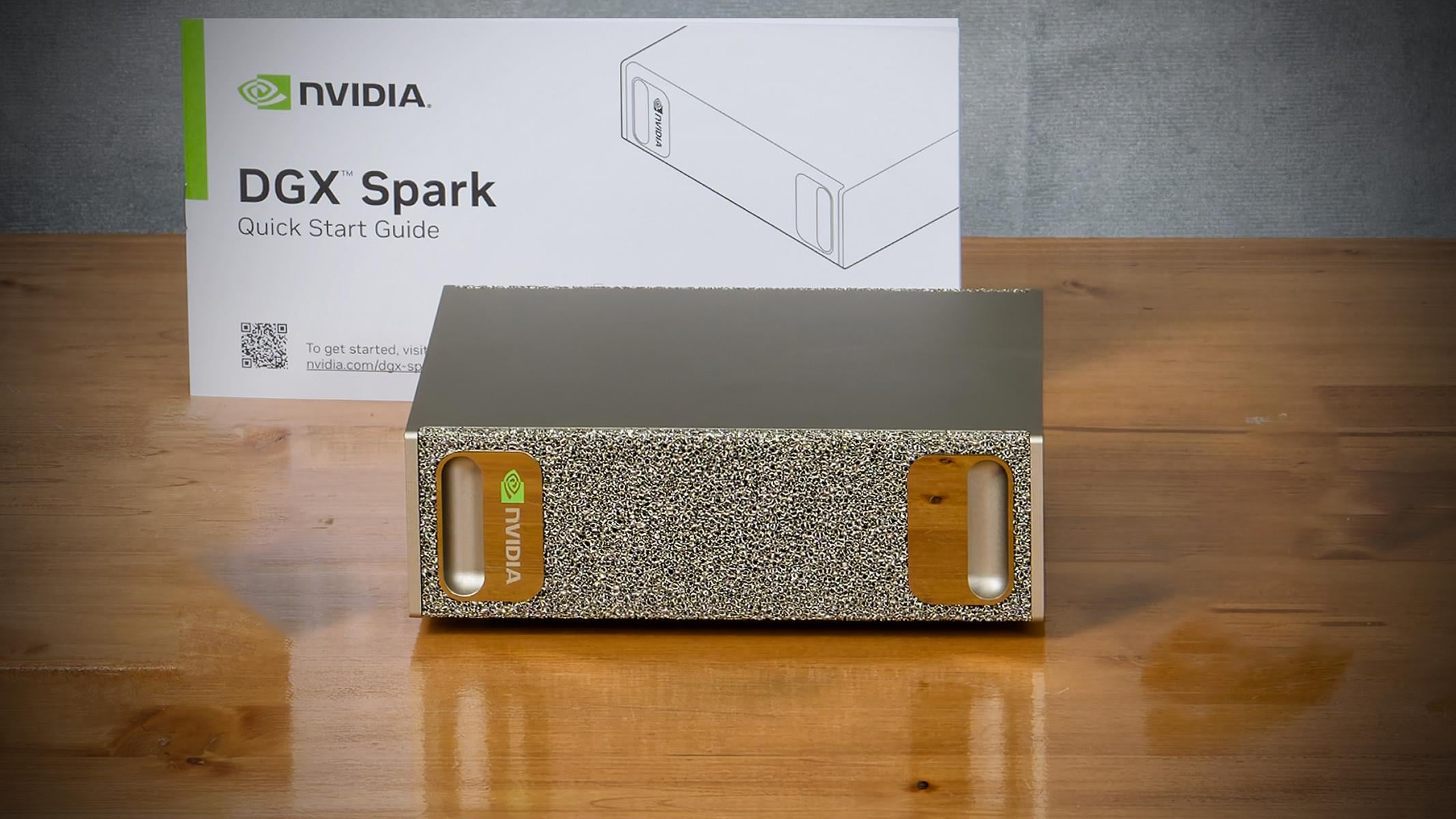
Nvidia introduces a more affordable 64GB configuration of its DGX Spark AI desktop system.
Anonymous
Key Points
1
Nvidia says the 64GB configuration can meet the local-memory needs of a new generation of 30–35-billion-parameter models and autonomous agents.
2
The ConnectX-7 network interface supports dual QSFP ports and up to 200 Gbps; the networking can also help users connect multiple Spark systems as workloads grow.
3
The 64GB configuration will be sold exclusively through OEM partners rather than as a direct Nvidia-branded system.
4
The articles note lower-cost AMD alternatives: GMKtec systems with 128GB of RAM were listed at $3,650, while its 64GB version was listed at $2,349.
Nvidia is launching a 64GB version of its DGX Spark desktop AI system, with prices starting at $4,999 when partners like Acer, Asus, Dell, HP and MSI begin selling the system on October 23. Technobezz reports the new configuration cuts memory in half from the original 128GB model, which now costs about $6,995 as DRAM prices have climbed.
The 64GB model targets developers, students and AI enthusiasts who want to run and fine-tune models locally without enterprise-grade hardware. PCMag notes the system can handle a new generation of 30–35-billion-parameter models and autonomous agents, though experts warn that memory capacity alone does not determine whether a workload will run smoothly.
Same Power, Half the Memory Cost
The 64GB DGX Spark keeps the same GB10 Grace Blackwell processor, 273 GB/s memory bandwidth and ConnectX-7 networking as the 128GB version. Hothardware explains that Nvidia reduced memory capacity to combat rising DRAM and NAND costs that pushed the original model's price above its launch target of $4,699.
The ConnectX-7 network interface supports dual QSFP ports and up to 200 Gbps of throughput. Users can daisy-chain multiple Spark systems together as their workloads grow, avoiding the need to buy one massive machine upfront.
OEM Partners Get Exclusive Distribution Rights
Unlike the original 128GB DGX Spark, Nvidia will not sell a direct 64GB model under its own brand. Technobezz reports that Acer, Asus, Dell, Gigabyte, HP and MSI will be the sole sellers, giving each partner control over pricing and regional availability.
This distribution model lets manufacturers customize the system and reach customers in their local markets. It also hedges Nvidia's risk: if component costs drop later, partners can adjust prices without impacting Nvidia's direct sales strategy.
AMD Alternatives Undercut Nvidia on Price
Competition from AMD-based systems poses a challenge. Hothardware notes that GMKtec systems with 128GB of RAM were listed at $3,650, while its 64GB version sold for $2,349—significantly less than Nvidia's $4,999 entry point.
The price gap reflects Nvidia's Grace Blackwell advantage in AI workloads but signals that budget-conscious builders have viable alternatives. Dev.to warns that cheaper upfront pricing can become costly if a workload needs more memory than the system provides, forcing users to buy a larger machine anyway.
Memory Alone Does Not Guarantee Performance
Experts caution that 64GB capacity alone does not predict whether a workload will run well. Dev.to emphasizes that model context size, simultaneous user requests and application overhead all compete for memory, making the actual usable space smaller than the headline number.
Developers must size their workloads carefully before buying. A model that runs flawlessly with 64GB of memory in one scenario may fail if context windows expand or multiple inference requests pile up simultaneously.
Sentiment
Mostly PositiveNEGATIVENEUTRALPOSITIVE
Publishers
24
Articles
13
Reach
37
Topics
A
AnonymousAuthor


