RTX Spark Chip Enables Global On-Device AI PCs
RTX Spark Chip Enables Global On-Device AI PCs
Anonymous
Key Points
1
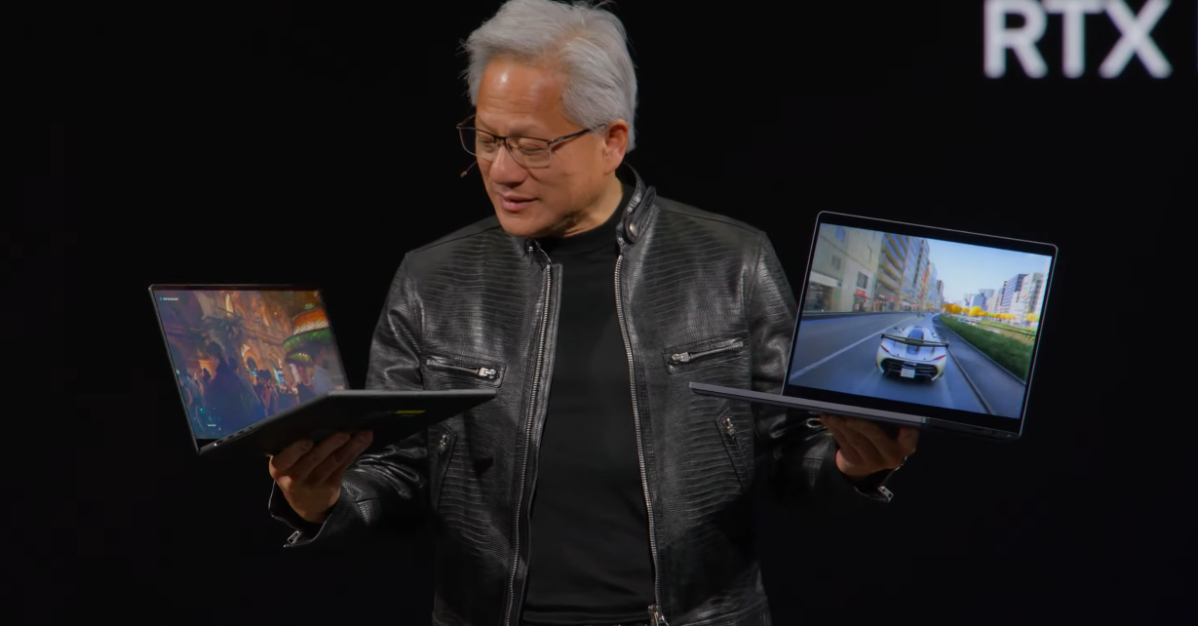
The Lenovo Yoga 9n 2-in-1 is a premium 16-inch laptop with a 0.69-inch-thick chassis, an OLED 2880×1800 display at 120 Hz, a six‑speaker sound system, and a 9.2‑megapixel webcam, highlighting the high-end form factor Nvidia envisions for RTX Spark devices.
2
RTX Spark is designed as a single system-on-a-chip that bundles a Grace CPU with a Blackwell RTX GPU and memory on one die, effectively echoing Apple‑style silicon integration (with up to 20 CPU cores and up to 6,144 GPU cores).
3
Acer’s RTX Spark compact desktop is pitched for AI workloads, touting up to 1 petaflop of AI performance and up to 128 GB of unified memory, signaling a push toward AI-first small form-factor PCs.
4
Industry observers warn the RTX branding may confuse consumers by linking RTX Spark to gaming-focused expectations, even as the platform emphasizes AI workloads—potentially diverting attention from traditional PC tasks.
5
Some coverage describes Acer’s RTX Spark offering as a design showcase rather than an immediately available consumer product, suggesting the concept may outpace current market readiness.
Nvidia unveiled the RTX Spark platform at IFA 2026, bringing artificial intelligence to laptops and desktop computers without requiring cloud processing. The new chips combine a Grace CPU with a Blackwell RTX GPU on a single piece of silicon, targeting an October launch with devices from Lenovo and Acer Digiforms. The move marks Nvidia's expansion from data-center dominance into personal computing, promising to run AI models directly on consumer devices while keeping data private.
The Lenovo Yoga 9n 2-in-1 laptop will feature up to 20 CPU cores and 6,144 GPU cores inside a chassis just 0.69 inches thick, alongside a 2880×1800 OLED display running at 120 Hz GuruFocus. Acer's compact RTX Spark desktop promises up to 1 petaflop of AI performance and 128 GB of unified memory. Together, these devices aim to shift heavy AI workloads from the cloud to consumer machines, reducing latency and cutting cloud costs.
Grace CPU Meets Blackwell GPU in One Chip
RTX Spark integrates Nvidia's Grace CPU and Blackwell RTX GPU onto a single system-on-a-chip, mirroring Apple's approach to silicon design TechnoBezz. The unified architecture means the CPU and GPU share memory on the same die, eliminating delays that usually occur when components communicate separately. This tight integration enables the Lenovo Yoga 9n to deliver MacBook Pro-level performance while running local AI workloads without sending data to cloud servers.
Compact Desktops Push AI Beyond Traditional Laptops
Acer's RTX Spark desktop targets users who want serious AI power in a small footprint ArchyNetys. The device delivers up to 1 petaflop of performance—enough for demanding machine-learning tasks—while staying compact enough for home or office desks. The 128 GB unified memory allows the system to load and run large language models locally, a significant advantage over streaming AI through the cloud.
RTX Branding May Confuse Gamers and AI Users
The RTX label historically signals gaming performance, which could mislead consumers shopping for AI workstations DailyGuardian. While the new chips deliver powerful gaming performance, Nvidia is emphasizing on-device AI as the primary selling point. This disconnect risks confusion in the market, with potential buyers unsure whether RTX Spark laptops are gaming machines, AI computers, or both.
October Launch Sets Timeline for Real-World Testing
Nvidia plans to begin shipping RTX Spark devices in October, though some industry observers treat early models as design showcases rather than mass-market products GuruFocus. Real-world battery life, thermal performance, and actual consumer demand remain untested. The company is banking on partnerships with major manufacturers like Lenovo and Acer to prove the platform's viability and drive adoption across personal computing.
Sentiment
Mostly PositiveNEGATIVENEUTRALPOSITIVE
Publishers
26
Articles
26
Reach
52
Topics
A
AnonymousAuthor


