Gene-Edited Bananas Approach Approval
Gene-edited bananas designed to prevent browning move closer to UK market approval.
Anonymous
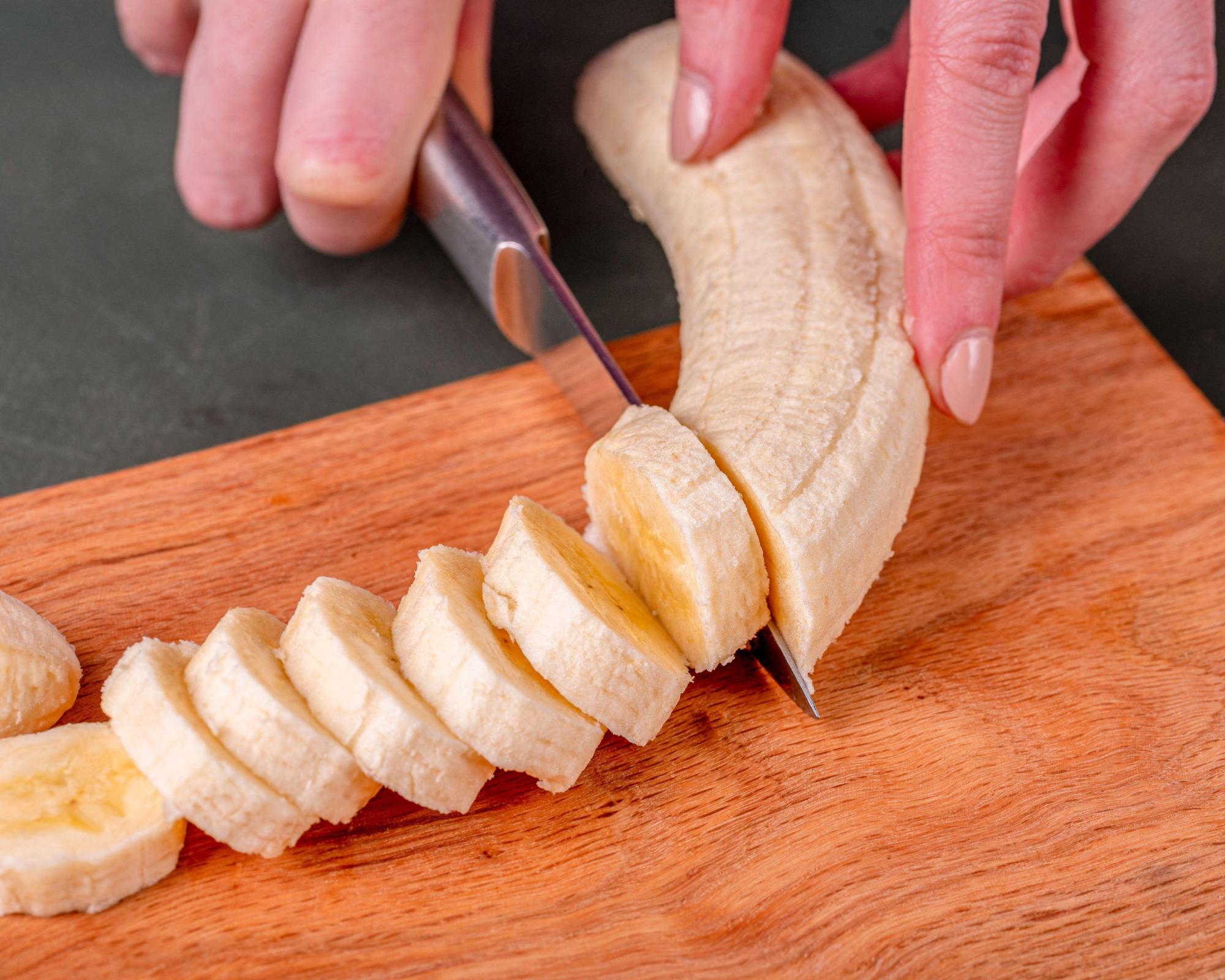
Tropic Biosciences’ CRISPR-edited bananas, altered to reduce production of the enzyme that causes browning, have reached the final approval stage for sale in England. The fruit could remain yellow for up to a day after being cut or peeled and may better withstand bruising, potentially reducing food waste; Defra says browning accounts for about 20% of banana losses. Sale still depends on the Food Standards Agency’s food-safety checks. The development reflects Britain’s expanding use of gene-edited crops, though rules and labeling differ from those applied to conventional genetically modified products.
Key Points
1
The bananas will not need a label identifying them as gene-edited once they reach supermarket shelves.
2
The variety has already received regulatory approval for sale in Japan and Brazil.
3
The articles distinguish gene editing from genetic modification: CRISPR changes or switches off existing DNA, while genetic modification typically introduces genes from another species.
4
Defra figures cited in one report estimate that as many as 1.4 million edible bananas are discarded each year in Britain.
5
The reports note that other gene-edited crops are also awaiting food-safety approval, including longer-lasting strawberries and vitamin-D-rich 'sunshine' tomatoes; one article warns these products could face restrictions if UK and EU food standards move closer together.
Sentiment
Mostly NegativeNEGATIVENEUTRALPOSITIVE
Publishers
10
Articles
12
Reach
22
Topics
A
AnonymousAuthor


