Exam Cancellation Protests
Bihar Sub-Inspector Aspirants Protest Against the Cancellation of Mains Examination
Anonymous
Key Points
1
Aspirants said they had staged a sit-in at Gardanibagh for 10 days before marching, and that they had spent four months training for the physical test.
2
Aspirant Anand Mohan Singh said around 10,000 candidates wanted just 10 minutes with the chief minister to present their concerns.
3
A report described clashes in several areas after police barricades blocked protesters from advancing, causing temporary disruption in nearby neighborhoods.
4
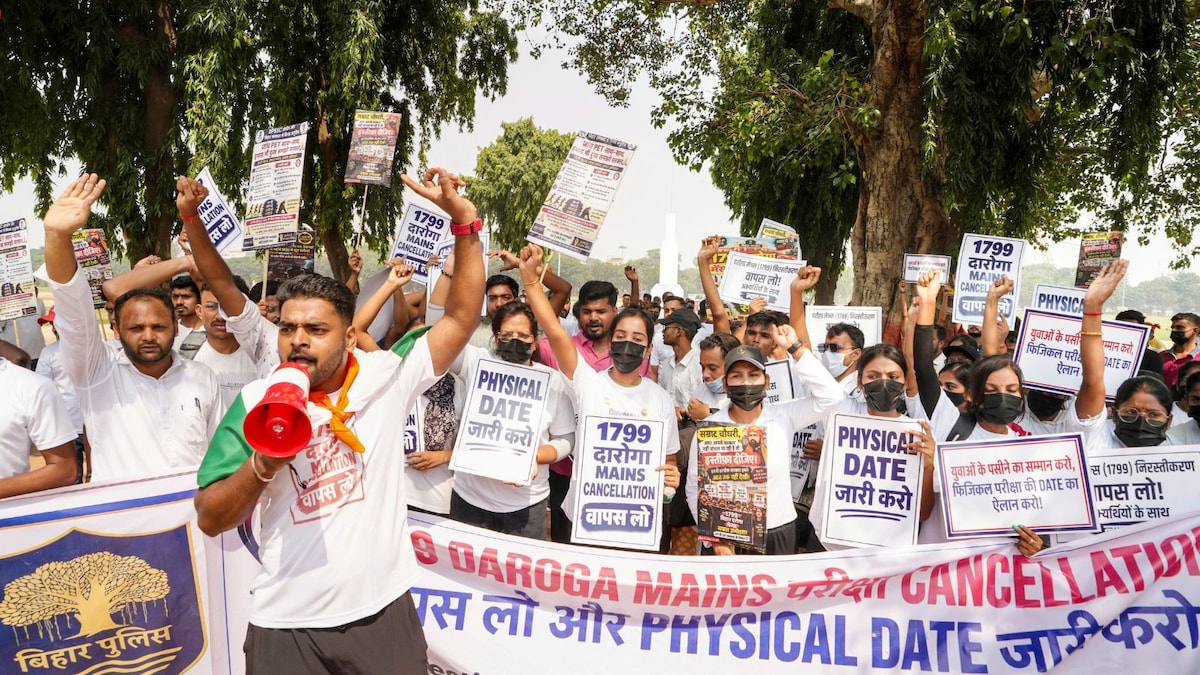
Protesters carried a poster reading, “Two kachoris, one samosa, what trust in BPSSC?” to express their distrust of the commission.
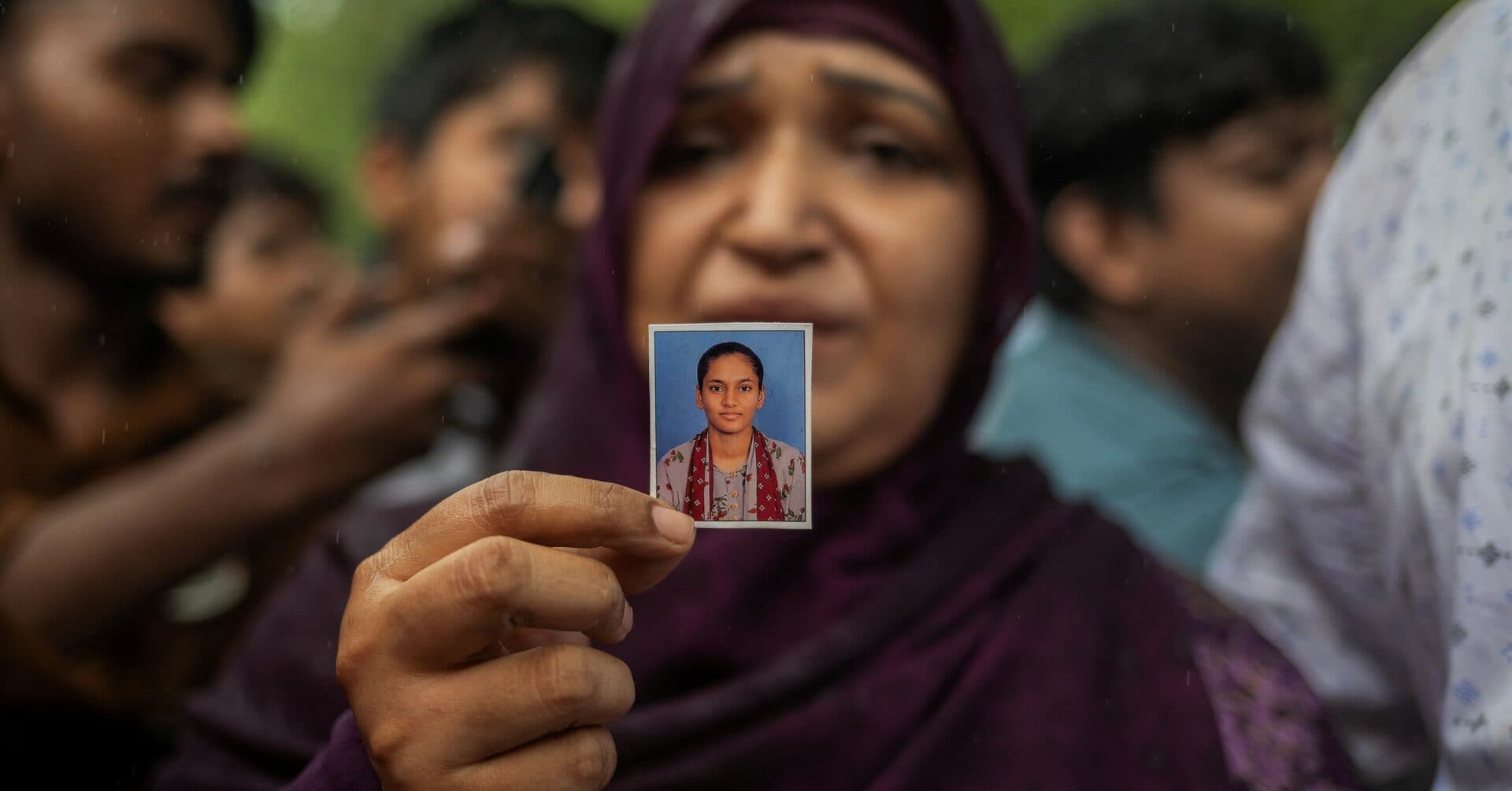
Thousands of Bihar police job aspirants marched through Patna on October 5, demanding the reversal of an exam cancellation that derailed their recruitment dreams. The Bihar Police Subordinate Services Commission (BPSSC) canceled the mains examination for 1,799 sub-inspector posts on September 23, citing "unavoidable reasons" — just as candidates finished their preliminary exams and began preparing for the physical efficiency test EdexLive. The sudden move left aspirants with no clear explanation after months of intensive training.
Police blocked the march at JP Golambar before it could reach Chief Minister Samrat Choudhary's residence. Around 10,000 candidates participated, carrying signs expressing frustration with the commission. One protester, Anand Mohan Singh, said aspirants simply wanted 10 minutes with the chief minister to present their case CNBC TV18. The cancellation has sparked questions about whether the government yielded to pressure from unsuccessful candidates or whether irregularities in the exam process forced the decision.
Four Months of Training Ends in Sudden Cancellation
The BPSSC released mains results, and candidates immediately shifted focus to the physical efficiency test. They had completed four months of dedicated preparation. Then came the September 23 cancellation with no advance notice or concrete reason KollegeApply. Aspirants said they received no official explanation for why the exam was scrapped or when recruitment would resume. Many had spent significant time and money on coaching and training.
A Ten-Day Sit-In Precedes the October Protest March
Before taking to the streets on October 5, aspirants staged a sit-in at Gardanibagh for 10 days. Their demands remained consistent: reverse the cancellation, resume the recruitment process, and announce physical-test dates Telegraph India. The sit-in failed to move officials. Frustrated and out of options, the group escalated to a full-scale march through the capital.
Questions Over Exam Irregularities and Investigation Timing
Earlier complaints had already raised concerns about irregularities in the exam process. Some aspirants questioned why the BPSSC canceled the mains while an Economic Offences Unit probe was underway Hindustan Times. Critics asked whether officials should have halted the exam sooner if problems existed. Others demanded a completely fresh examination to ensure fairness. The timing of the cancellation — after results but before the physical test — left many believing the decision was reactive rather than planned.
Protest Signs Reflect Deep Distrust of the Commission
One striking protest sign read: "Two kachoris, one samosa, what trust in BPSSC?" — a sarcasticcomment on the commission's credibility. The message captured months of frustration. Aspirants felt abandoned by the organization managing their careers. For many, this recruitment cycle represented years of effort and sacrifice. The sudden cancellation, without accountability or clear next steps, fueled anger and disillusionment among a generation of job seekers.
Sentiment
Mostly NegativeNEGATIVENEUTRALPOSITIVE
Publishers
10
Articles
8
Reach
18
A
AnonymousAuthor