Spain Housing Crisis Response
Spain Proposes Emergency Housing Decrees Amid Nationwide Protests and Snap Elections
Anonymous
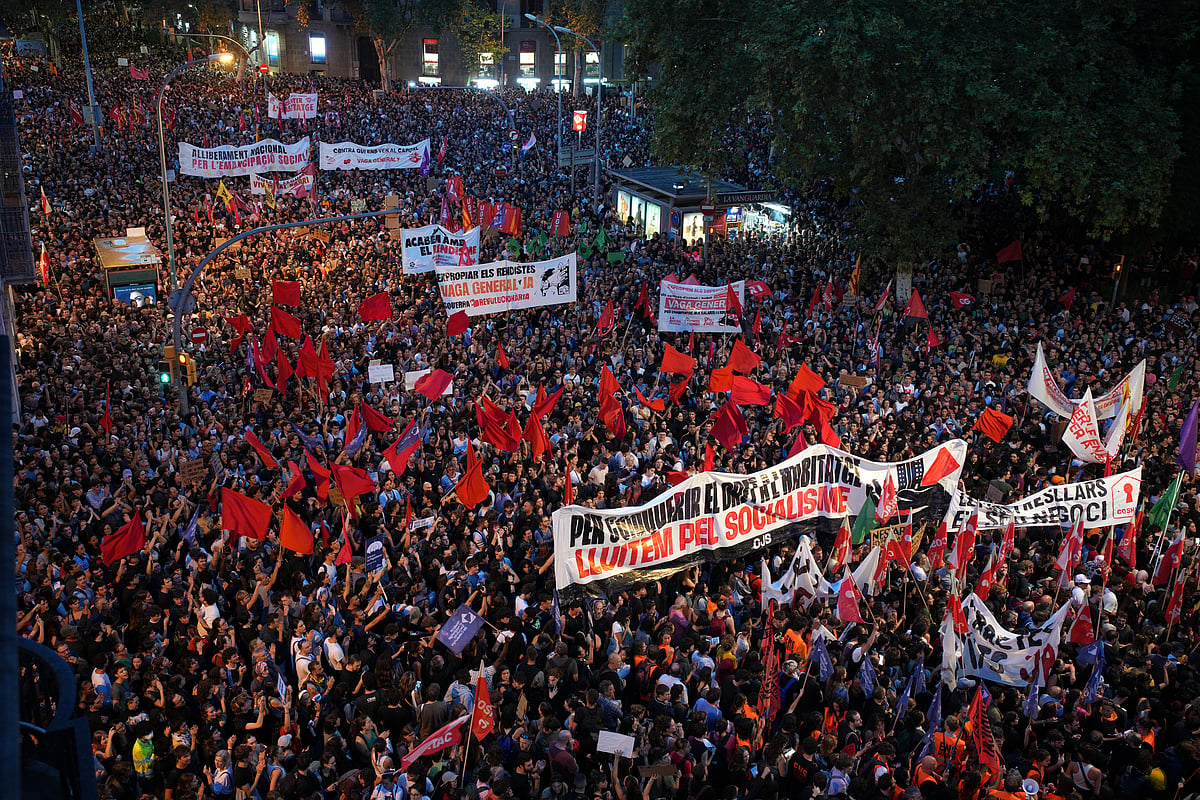
Prime Minister Pedro Sánchez’s government has put forward new emergency housing decrees after Parliament rejected similar measures, amid nationwide protests and a housing crisis marked by rising rents, limited supply and public anger over evictions. The revised proposals preserve the core of the earlier package and are to be considered by an interim parliamentary committee while Parliament is dissolved ahead of the November 29 snap election. The measures include extending eviction protections for vulnerable households, regulating room and short-term rentals, curbing speculative real-estate investment and offering tax breaks to landlords providing affordable housing. Protests intensified after the eviction of an 87-year-old woman in Madrid, with demonstrations in Barcelona turning violent; the government says the decrees aim to ease pressure on renters and improve access to housing.
Key Points
1
The interim Standing Committee has 69 members, compared with the full Parliament’s 350, and currently has a majority in favor of housing measures—potentially allowing the decrees to pass before the election.
2
The Bank of Spain estimates the country is short about 750,000 homes, with the supply-demand gap potentially reaching 1 million by 2028.
3
The proposed eviction protections would be extended through 2030, a specific duration not included in the summary.
4
Political science professor Alejandro Quiroga said the move to seek approval from the interim legislature was constitutional but politically necessary: “If you are calling early elections so you can keep the public's focus on housing, you can't just sit back and do nothing about it.”
Sentiment
Mostly NegativeNEGATIVENEUTRALPOSITIVE
Publishers
14
Articles
83
Reach
97
A
AnonymousAuthor


