Countering Huawei in Africa
US Plans $100 Million Telecom Loan to Counter Huawei in Africa
Anonymous
Key Points
1
The financing remains a planned transaction rather than a finalized, approved or disbursed loan; Africell and the Export-Import Bank had not yet published a final agreement.
2
Africell previously received a $100 million facility from the Overseas Private Investment Corporation in 2018 to upgrade and expand its networks, and announced a restructuring of that facility in 2021. If the new financing is completed, the two publicly announced U.S.-backed loan facilities would total nearly $200 million.
3
Africell serves about 15 million customers across its four operating markets, according to the company’s stated figures.
4
The final list of suppliers and the amount of financing allocated to each African market had not been disclosed.
The Trump administration plans to give nearly $100 million to Africell, Africa's only U.S.-owned telecom company, through the Export-Import Bank. The money will help Africell buy mobile-network equipment from American and allied suppliers instead of Chinese ones like Huawei. The Independent reports the $99.6 million loan is part of Washington's push to reduce China's grip on African telecommunications.
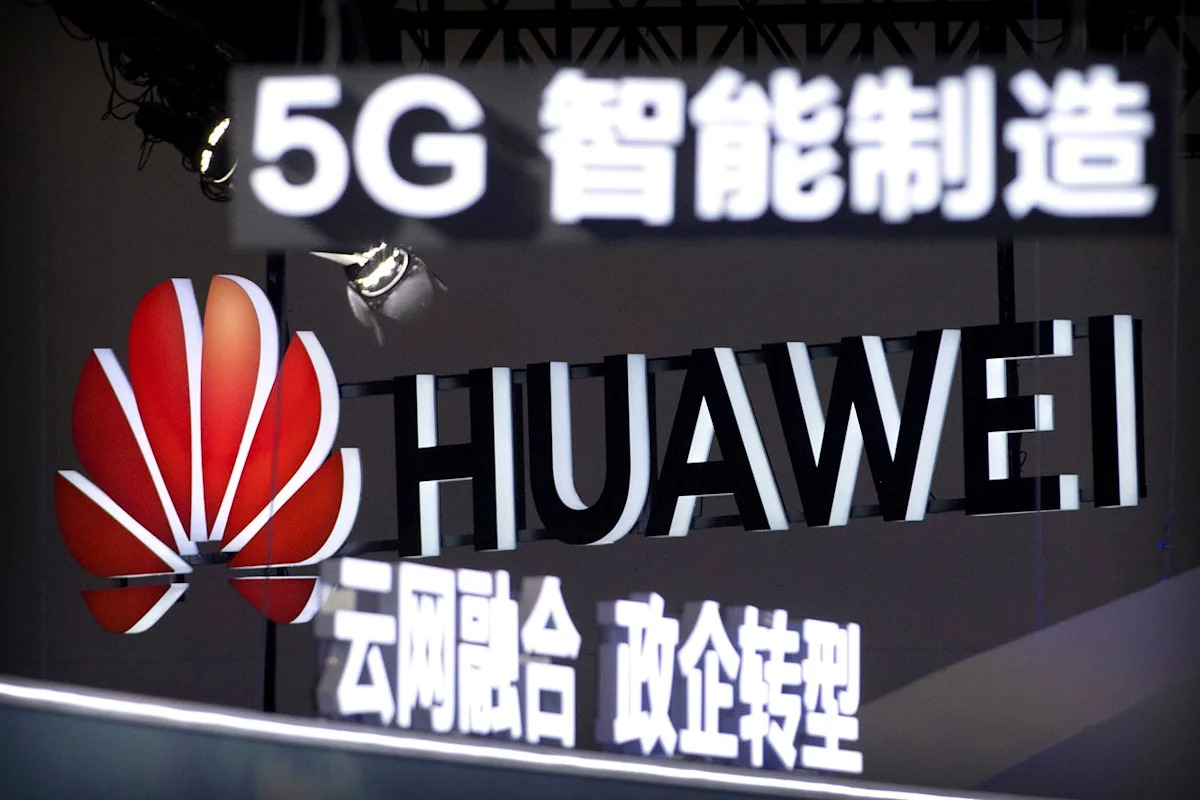
Huawei currently supplies about 52% of Africa's 5G infrastructure, according to available data. The planned financing would support Africell's operations in Angola, Gambia, the Democratic Republic of Congo, and Sierra Leone. This loan would add to $100 million in earlier U.S. government support Africell received in 2018, potentially bringing total American backing to nearly $200 million.
Africell's Role as America's African Telecom Foothold
Africell is the only major U.S.-owned mobile network operator on the continent. The company serves roughly 15 million customers across its four operating markets. This makes it a rare American asset in a telecom sector increasingly dominated by Chinese competitors and state-backed enterprises.
Earlier U.S. government backing came through the Overseas Private Investment Corporation, which provided a $100 million facility in 2018 to upgrade and expand networks. Africell restructured that deal in 2021. The new Export-Import Bank loan represents a second major U.S. commitment to the company.
Huawei's Dominant Role in African 5G Networks
China's Huawei has become the dominant telecom supplier across Africa, controlling an estimated 52% of the continent's 5G infrastructure. This dominance reflects years of aggressive pricing and willingness to work in markets where Western companies hesitate to invest. Huawei denies U.S. allegations that its equipment could enable spying or be used for surveillance purposes.
The U.S. strategy shift reflects growing concern about Beijing's technological influence. By backing Africell with government loans, Washington aims to create an alternative path for African nations seeking to build telecom networks without Chinese equipment. The financing targets countries where Africell already operates, giving the company resources to expand and compete.
Why This Loan Still Remains Unfinalized
The financing is technically a planned transaction, not yet approved or disbursed. The Independent notes that Africell and the Export-Import Bank had not yet published a final agreement. The list of specific suppliers and how much money each African market would receive remains undisclosed.
This means the loan's final structure and impact remain uncertain. Key details about which U.S. and allied firms would benefit, and how the money would be split across Angola, Gambia, the DRC, and Sierra Leone, could still change before any funds flow.
America's Broader Push to Counter Chinese Tech Dominance
The Africell loan is part of a larger U.S. strategy to limit Chinese technological reach in developing regions. Washington has used export financing, development loans, and diplomatic pressure to encourage countries to build infrastructure with non-Chinese equipment. Africa's rapid tech growth makes it a key battleground in this competition.
For Africell, the funding could mean accelerated growth and the ability to invest in newer 5G technology. For the U.S., it offers a rare foothold in African telecom—a sector where American companies have largely retreated, leaving the door open for Beijing to establish long-term influence.
Sentiment
Mostly PositiveNEGATIVENEUTRALPOSITIVE
Publishers
13
Articles
216
Reach
229
A
AnonymousAuthor