Curbside EV Charging Expansion
NYC Selects Local Startup to Build 700 Curbside EV Chargers Across Boroughs
Anonymous
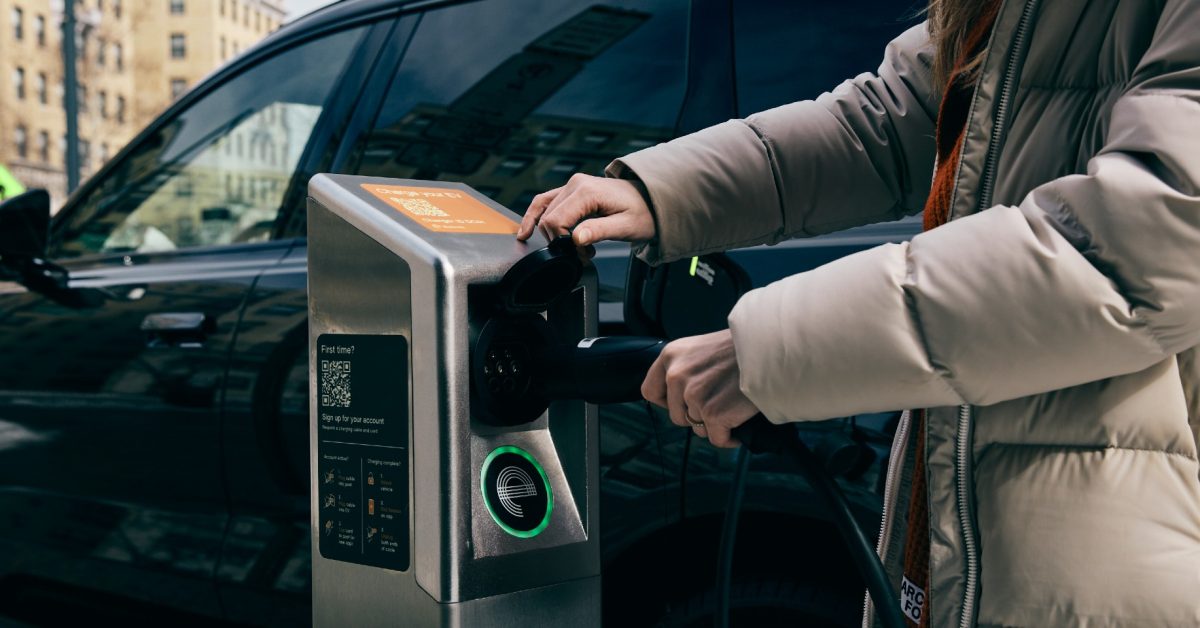
New York City and the New York Power Authority selected Brooklyn-based It’s Electric to build a permanent curbside electric-vehicle charging network across all five boroughs. The project will replace 88 pilot charging points and add more than 600 chargers, bringing the PlugNYC network to about 700 units, with installation expected to begin in 2027 after design review; the chargers will be manufactured in Queens and construction will be handled by Maverick Corporation. The network will prioritize neighborhoods with many taxi and rideshare drivers and limited off-street parking, supporting the city’s requirement that TLC-licensed Uber and Lyft trips become electric or accessible by 2030. City officials and Uber say expanded curbside access could help drivers switch to EVs, improve air quality and serve lower-income neighborhoods that lack private charging options. Pedestrian- and street-safety advocates oppose dedicating public curb space to chargers, arguing the infrastructure could permanently preserve parking for cars and crowd out bike lanes, bus lanes, trees, dining and other uses.
Key Points
1
It’s Electric said an oversubscribed bridge financing round raised its total funding to $15 million alongside the New York contract.
2
New York City has more than 80,000 rideshare drivers, most of whom park on the street, making access to curbside charging a significant barrier to switching to electric vehicles.
3
The charging network’s delivery team includes SWTCH Energy, which will provide the backend platform, while the hardware was co-designed with Billings Jackson Design.
4
It’s Electric founder Nathan King said the company’s goal is for EV chargers to become as commonplace on city streets as fire hydrants: “Just as fire hydrants are on every street, our vision is for EV chargers to become that normal.”
5
Open Plans analyst Michael Sutherland argued that curbside chargers could restrict future transportation and public-space improvements, saying: “EV chargers are permanent, expensive infrastructure that permanently lock in public space for cars and make future improvements more difficult.”
Sentiment
Mostly PositiveNEGATIVENEUTRALPOSITIVE
Publishers
9
Articles
9
Reach
18
A
AnonymousAuthor


