Delhi's EV Future
Delhi Launches Ambitious Policy to Combat Air Pollution, Targeting Majority Electric Vehicles by 2027
Anonymous
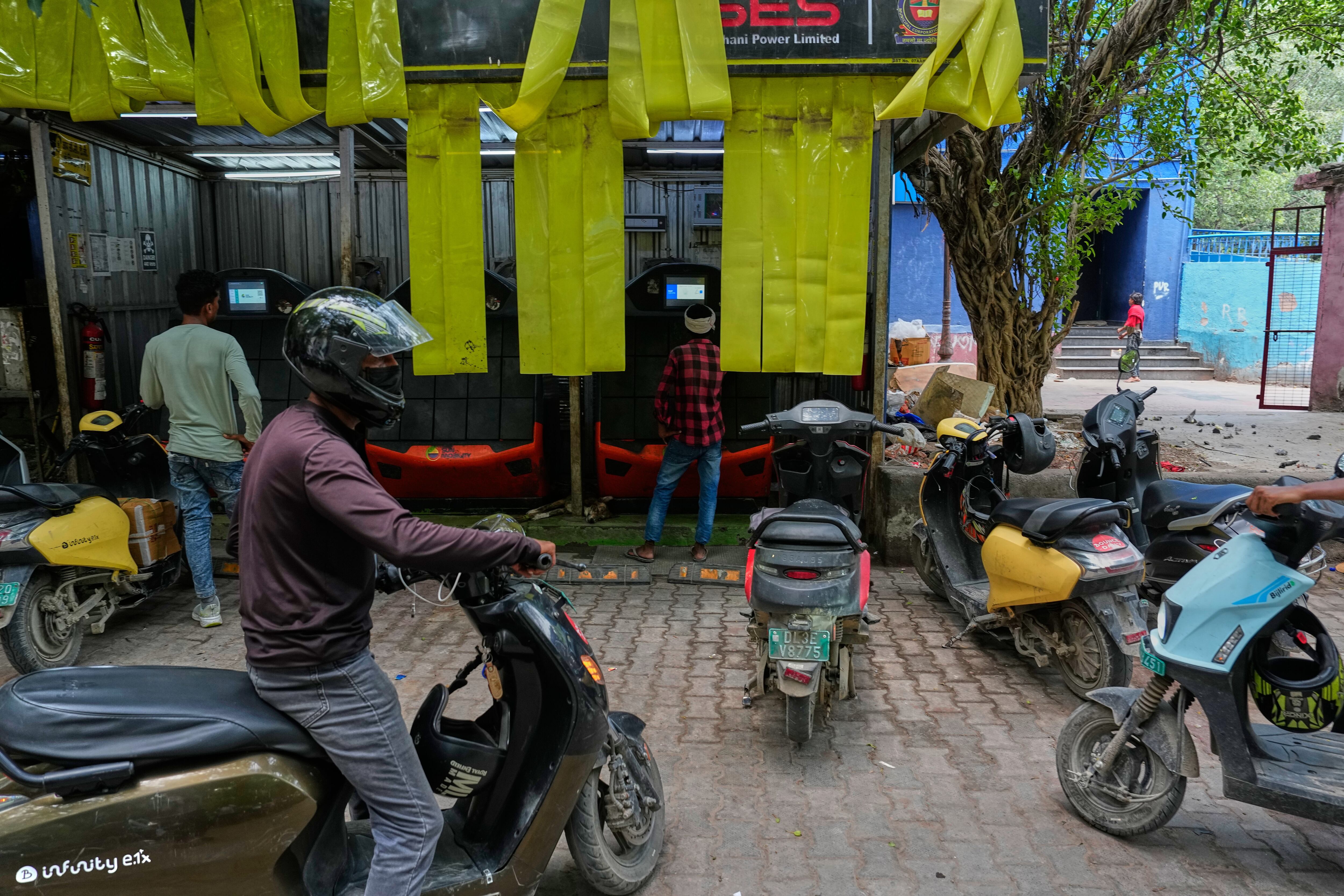
Delhi has passed an aggressive new electric vehicle policy aimed at slashing the city's notorious air pollution. The plan calls for the vast majority of newly registered vehicles to be electric by 2027, according to Voice of Alexandria. Right now, only about 5% of Delhi's 8.7 million registered vehicles run on electricity.
The policy is expected to cost 150 billion rupees — roughly $1.5 billion. Existing gas-powered vehicles won't be banned outright, but their numbers are expected to shrink over time, Newsday reported.
Delhi's Air Pollution Crisis Drives the Push
Delhi is one of the most polluted cities in the world. Smog regularly blankets the city, posing serious health risks to its roughly 33 million residents. The new EV policy is a direct response to that crisis. Officials want cleaner air — and fast.
Vehicles are a major source of the city's dirty air. Two- and three-wheelers alone make up nearly 70% of all vehicles in Delhi, according to Barchart. Targeting those smaller vehicles is central to the new plan.
Subsidies and Tax Breaks to Lure EV Buyers
To get people to switch, Delhi's government is offering real financial incentives. EV buyers will receive subsidies and waivers on registration fees and road taxes, KVUE reported. The government also plans to offer incentives for scrapping old gas-powered vehicles.
The goal is to make buying an electric vehicle cheaper and easier than sticking with gas. Lower upfront costs are seen as key to hitting the 2027 target, especially for buyers of smaller, cheaper two- and three-wheelers.
Charging Network Expansion Is Critical to Success
The plan doesn't stop at buying incentives. Delhi also aims to build out its charging infrastructure across the city. Without enough charging stations, EV adoption tends to stall — a problem many cities around the world have faced.
Energy providers are expected to play a key role in expanding the network, according to Oskaloosa. More charging points are seen as essential to making EVs a practical option for everyday Delhi residents, not just early adopters.
A $1.5 Billion Bet on a Cleaner Future
At 150 billion rupees ($1.5 billion), this is one of the most ambitious urban EV pushes in Asia. The price tag reflects both the scale of the challenge and the urgency behind it, News4Jax reported.
With just 5% of vehicles currently electric, Delhi has a long way to go in two years. But officials are betting that strong financial incentives, better infrastructure, and firm targets can drive a fast shift — before the city's air gets any worse.
Sentiment
NeutralNEGATIVENEUTRALPOSITIVE
Publishers
15
Articles
15
Reach
15
A
AnonymousAuthor


