Mice Linked to Ticks
New Research Shows White-Footed Mice Drive Lyme Disease Risk More Than Deer
Anonymous
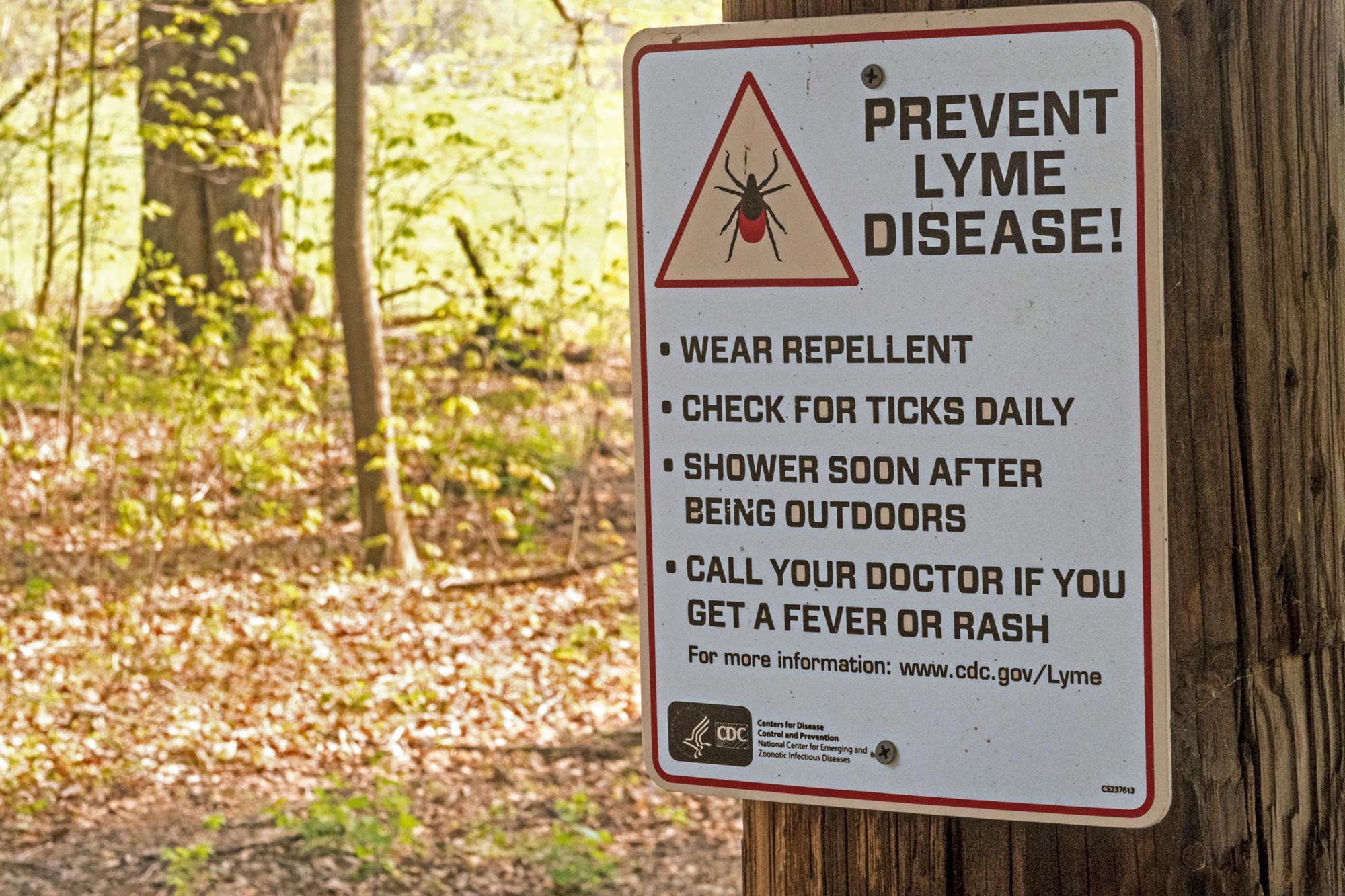
White-footed mice, not white-tailed deer, are the main driver of Lyme disease risk in North America, according to new research from the Cary Institute. Scientists found that large mouse populations directly trigger a 40% jump in nymphal ticks — the young stage most likely to bite and infect humans — the following year. This discovery upends decades of assumptions about what fuels the spread of tick-borne illness.
The research reveals an unexpected food chain: bumper acorn crops feed more mice, which then host more ticks two years later. However, more mice don't necessarily mean those ticks carry more Lyme bacteria. As tick-borne diseases become a growing public health threat, understanding what actually drives tick populations has never been more important.
Mice, Not Deer, Control Tick Numbers
For years, wildlife managers blamed white-tailed deer for spreading Lyme disease. New evidence challenges that view entirely. Researchers tracked tick populations across multiple years and found white-footed mice are the key animal driving nymphal tick numbers. When mouse populations spiked, nymphal ticks jumped 40% the next year.
Deer still matter, but less than previously thought. The link between mice and young ticks is far stronger than any connection to deer. This finding could reshape how scientists and public health officials approach Lyme disease prevention in forests and suburbs.
The Acorn Connection: A Two-Year Chain Reaction
Oak trees create the foundation for this mouse-and-tick boom. Massive acorn crops provide abundant food for white-footed mice, allowing their populations to explode. Those extra mice then become ideal hosts for tick larvae and nymphs.
The effect isn't immediate. Scientists observed that high acorn production leads to more mice, which then results in more nymphal ticks roughly two years later. This delayed cause-and-effect means future Lyme outbreaks can be partially predicted by tracking acorn production today.
More Mice Don't Mean More Infected Ticks
Here's a surprising twist: even though larger mouse populations create more ticks overall, the percentage of ticks carrying Lyme bacteria doesn't necessarily increase. More ticks exist, but they're not proportionally more dangerous. The infection rate in the tick population stays relatively stable.
This distinction matters for prevention strategies. Simply reducing mouse numbers won't eliminate Lyme disease if it doesn't also lower the infection rate within ticks. Public health officials may need to focus on tick control methods rather than trying to manage mouse populations.
Why This Changes Everything for Disease Control
Understanding the real driver of Lyme disease shifts where resources should go. Focusing exclusively on deer management misses the central mechanism. Instead, experts should track white-footed mouse populations as an early warning system for future tick surges.
As tick-borne illnesses rise across North America, this research offers a roadmap. Monitoring acorn crops and mouse numbers could help communities prepare for Lyme disease spikes. Prevention efforts can now target the actual engine driving transmission: the white-footed mouse.
Sentiment
NeutralNEGATIVENEUTRALPOSITIVE
Publishers
12
Articles
11
Reach
12
A
AnonymousAuthor


