Iran Plans Restricted Zone Near Strait of Hormuz
Iran Plans Restricted Zone Near Strait of Hormuz
Anonymous
Key Points
1
The U.S. military says more than 20 warships are supporting its blockade of Iranian ports; as of Sunday, the operation had redirected 92 commercial ships and disabled three, according to the Associated Press.
2
Iranian officials said three vessels—the VELOS AMBER, BRAVO and Qatari LNG carrier AL SHEEHANIYA—were forced to turn back after warnings from the Islamic Revolutionary Guard Corps Navy while transiting the southern Strait of Hormuz route.
3
Iranian officials claimed that Tehran recently conducted its first test of a domestically produced anti-ship missile aimed at a U.S. warship.
4
Iranian security chief Mohsen Rezaei claimed that Iran has intercepted and attacked U.S.-linked vessels but refrained from sinking them because of the potential environmental consequences of spilling their oil cargoes.
5
Parliament Speaker Mohammad Baqer Qalibaf said, “The era of proportionate retaliation has ended,” warning that future Iranian responses to attacks would be “swifter, stronger, and more painful.”
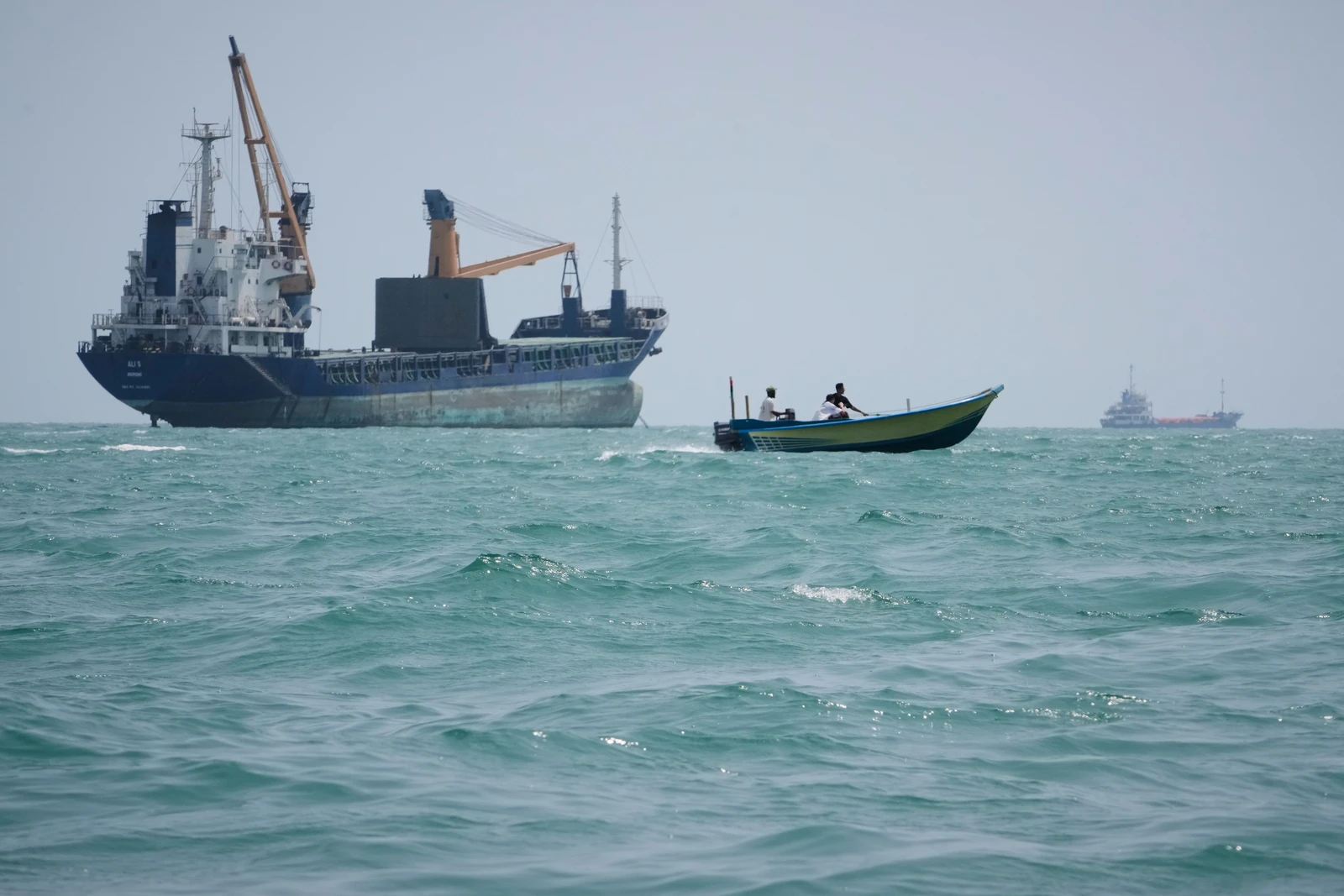
Iran announced plans to establish an exclusion zone near the Strait of Hormuz, warning that commercial vessels attempting transit could face sanctions or be turned back The Frontier Post. The move follows a sharp escalation in military clashes between Tehran and the United States, including Iranian missile tests and U.S. strikes on three Iranian oil tankers. Iran's parliament speaker declared the era of "proportionate retaliation" over, vowing future responses would be "swifter, stronger, and more painful" Source News.
Iran Restricts Access to Critical Shipping Route
Iran's Supreme National Security Council secretary Mohsen Rezaei announced the restricted zone will extend from the alleged U.S. naval blockade line toward the Strait and into the Persian Gulf SE Daily. Tehran claims only seven or eight ships transit daily, down sharply from normal traffic. Iran is negotiating with Oman over a controlled shipping corridor but refuses broader reopening unless the U.S. stops what it calls hostile attacks.
U.S. Blockade Diverts Dozens of Commercial Vessels
The U.S. military maintains more than 20 warships supporting its blockade of Iranian ports Associated Press. As of Sunday, the operation had redirected 92 commercial ships and disabled three others. The U.S. Navy rejects Iranian claims of successful attacks, denying Tehran struck an unmanned American vessel in the strait.
Tanker Turning Back Amid Escalating Naval Standoff
Three vessels—the VELOS AMBER, BRAVO, and Qatari LNG carrier AL SHEEHANIYA—were forced to reverse course after warnings from Iran's Islamic Revolutionary Guard Corps Navy Media Selangor. Iranian security chief Rezaei claimed Tehran tested a new domestically-made anti-ship missile against a U.S. warship. He added that Iran intercepted and attacked U.S.-linked vessels but avoided sinking them to prevent environmental damage from spilled oil.
Parliament Speaker Signals Faster, Harsher Iranian Response
Parliament Speaker Mohammad Baqer Qalibaf declared that proportional retaliation is finished NewsCord. He warned future Iranian attacks would come with greater speed and severity. The statement reflects Iran's hardening stance after recent U.S. strikes on its tankers and growing military pressure on the world's most critical oil shipping chokepoint.
Sentiment
Mostly NegativeNEGATIVENEUTRALPOSITIVE
Publishers
32
Articles
165
Reach
197
A
AnonymousAuthor


