GAC Plans Deal Giving FAW Strategic Stake
GAC Plans Deal Giving FAW Strategic Stake
Anonymous
Key Points
1
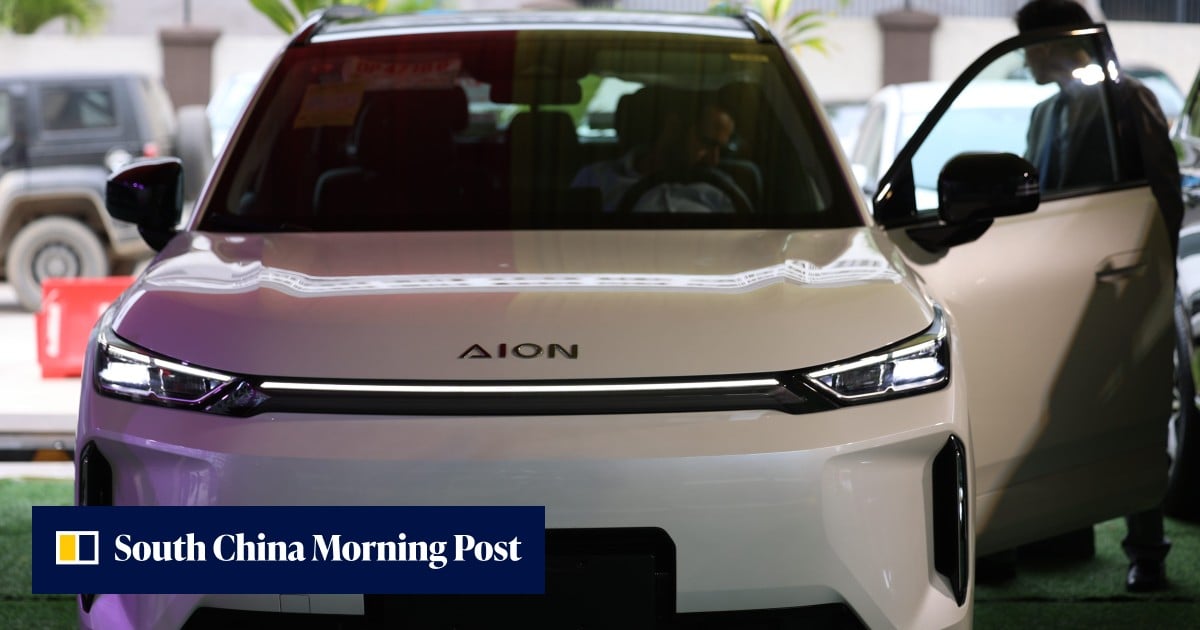
GAC has joint ventures with Honda and Toyota, while FAW operates joint ventures with Toyota and Volkswagen. FAW’s brands include Hongqi, Bestune and commercial-truck maker Jiefang; GAC’s portfolio includes Aion, Trumpchi, Hyptec and Aistaland.
2
The two automakers face different weaknesses: GAC’s Aion electric-vehicle business has been reporting losses, while FAW has struggled to keep pace with the shift toward electrified vehicles and could benefit from GAC’s new-energy-vehicle technology.
3
GAC said it would work with professional advisers during the suspension and seek to resume trading after its board reviews the restructuring proposal, while warning investors that the transaction carries substantial uncertainty and risks.
Guangzhou Automobile Group (GAC) signed a preliminary deal with China FAW Group that could reshape the country's auto industry. South China Morning Post reports GAC plans to issue shares to acquire part of FAW's stake in a joint venture, with FAW potentially becoming GAC's second-largest shareholder. If approved, the tie-up would combine two major state-owned automakers facing intense competition and shrinking margins.
GAC suspended trading on Shanghai and Hong Kong exchanges for up to 10 trading days while its board reviews the proposal. Investing notes the deal includes a planned capital raise but requires regulatory sign-off. The companies have not yet signed final agreements. This move reflects Beijing's push to consolidate China's troubled automakers as they struggle with excess capacity and losing ground to electric-vehicle makers.
Two Automakers With Different Weaknesses
GAC and FAW each control major brands and joint ventures but face mounting pressure. GAC operates Aion (electric vehicles), Trumpchi (sedans), and Hyptec. It also owns joint ventures with Honda and Toyota. Yahoo Finance reports FAW controls Hongqi luxury cars, Bestune vehicles, and Jiefang trucks, plus partnerships with Toyota and Volkswagen. The two companies' problems differ sharply: GAC's Aion EV unit has posted losses, while FAW lags far behind in electrification and could gain from GAC's new-energy expertise.
China's Auto Industry Faces Consolidation Pressure
China's state-owned automakers are bleeding cash as competition intensifies. South China Morning Post points out that Beijing has been calling for mergers to cut costs and boost competitiveness. GAC and FAW together would control a broader portfolio and share research costs. The industry is also drowning in excess production capacity while electric-vehicle makers like BYD grab market share. Combining forces could help both companies reduce spending and compete more effectively globally.
Deal Still Faces Major Hurdles and Uncertainty
GAC warned that the transaction carries "substantial uncertainty and risks." Investing reports no definitive agreements have been signed yet. The deal requires approval from both boards, government regulators, and stock exchange oversight. FAW would need to transfer part of its mystery joint-venture stake, and GAC must raise additional capital. Even if the preliminary letter of intent succeeds, any final agreement could still collapse or change dramatically during regulatory review.
Sentiment
Mostly NegativeNEGATIVENEUTRALPOSITIVE
Publishers
13
Articles
82
Reach
95
A
AnonymousAuthor