Expanding Dementia Research
Researchers Explore Dementia Beyond Memory Loss Through Nerve Studies And Sudden Clarity
Anonymous
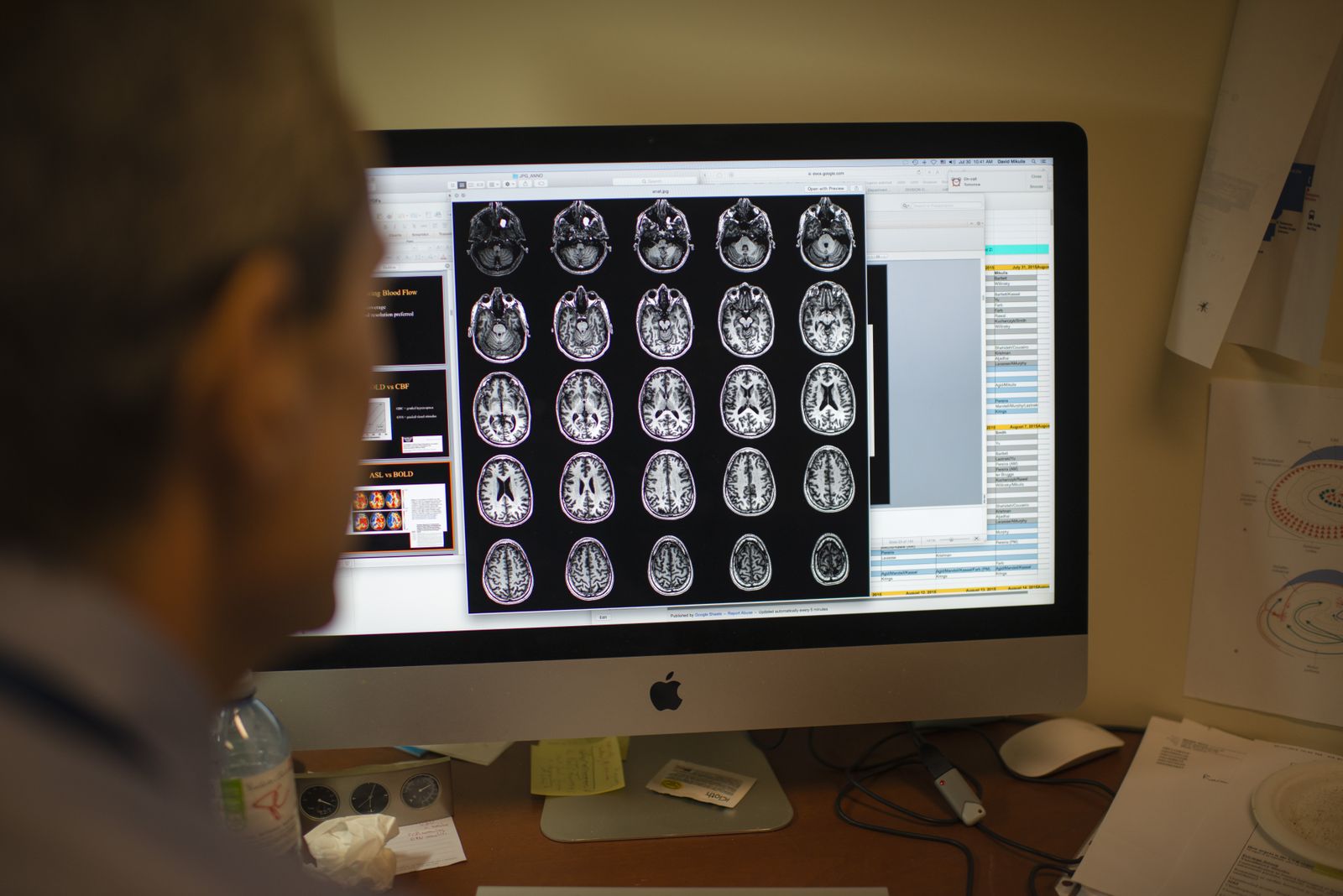
Recent research highlights several ways dementia and Alzheimer’s may be understood across the lifespan and beyond memory loss alone. A laboratory study found that familial Alzheimer’s-related genetic changes can disrupt communication between peripheral nerves and muscles, suggesting a possible basis for movement problems. A long-term Swedish study linked stronger reasoning scores at age 13 to a lower likelihood of dementia decades later, though the finding does not establish cause and effect. Researchers are also launching a dedicated consortium to investigate rare episodes of sudden clarity in advanced dementia, a phenomenon that remains poorly understood. Separately, a neurologist advises women experiencing midlife brain fog to compare their cognitive function with their own abilities a decade earlier, since menopause-related changes can resemble more serious decline.
Key Points
1
In the laboratory model, nerve cells carrying familial Alzheimer’s-related genetic changes sent weaker, less reliable signals to muscle cells; the muscles contracted less effectively and fatigued more quickly. The model excluded the brain and spinal cord, allowing researchers to study the nerve–muscle connection separately.
2
In the Swedish study, each additional point on a number-series reasoning test at age 13 was associated with about a 2% lower dementia risk. Verbal and spatial test scores did not show the same independent association, and the reasoning link persisted after researchers accounted for factors including parental education, participants’ later education, cardiovascular disease and diabetes.
3
The new lucidity consortium is led by Duke neuroscientist Heather Whitson, with researchers from Duke, the University of Wisconsin and Mayo Clinic. Its work includes examining the effects of these episodes on families and caregivers as well as investigating possible mechanisms at the level of brain circuits, cells and molecules.
4
A 2011 account described an 81-year-old woman with advanced Alzheimer’s who, after a year without speaking or recognizing family, suddenly called her son by name and recited a childhood verse; she died a month later.
5
The menopause article notes that standard memory tests may not capture subtle changes in everyday cognition, which clinicians call subjective cognitive decline.
Sentiment
Mostly NegativeNEGATIVENEUTRALPOSITIVE
Publishers
27
Articles
18
Reach
45
A
AnonymousAuthor


