Rising Lifetime Fire Risk
European Children Born Today Face 84% More Extreme Fire Weather Over Lifetime
Anonymous
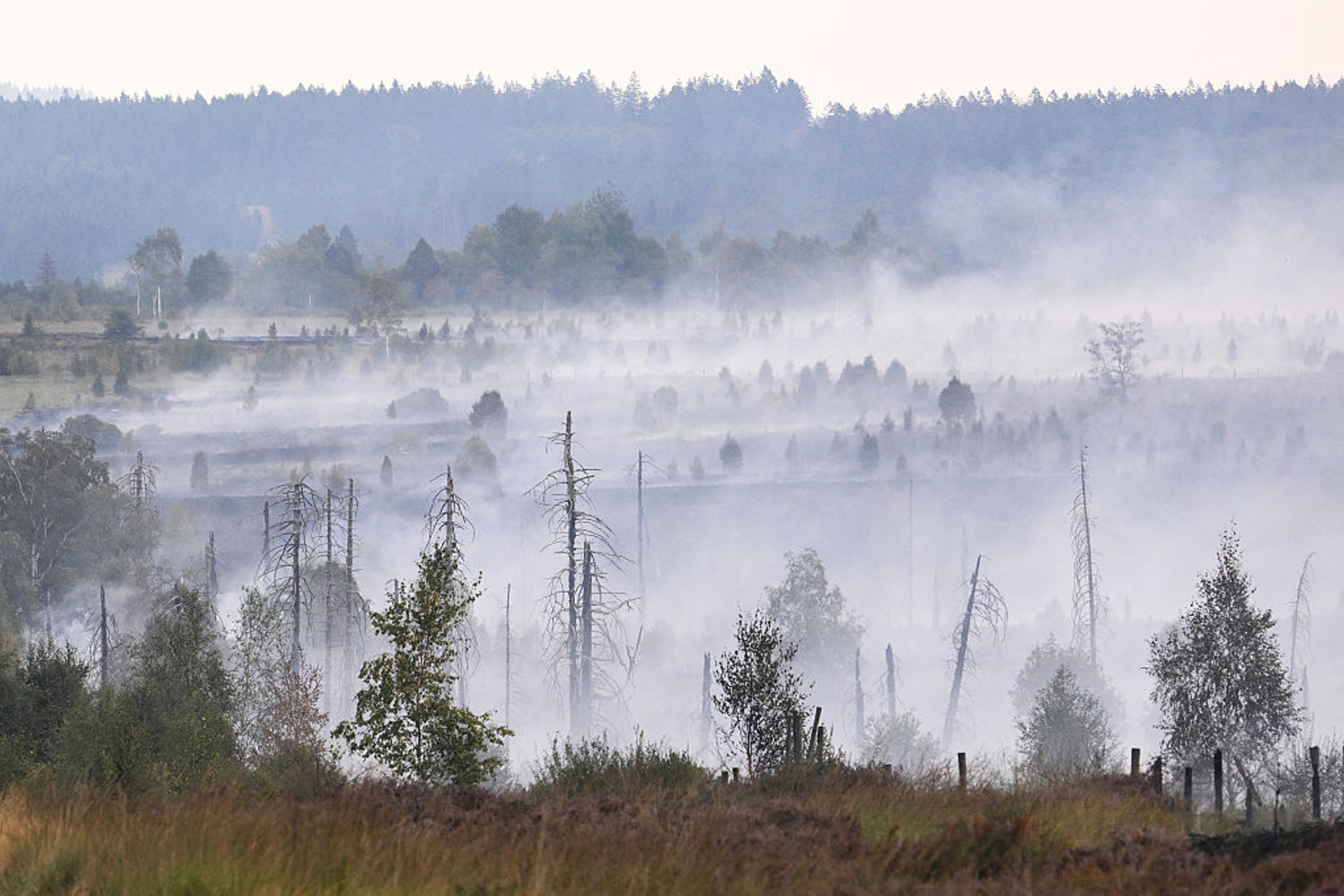
A Vrije Universiteit Brussel study published in Environmental Research Letters finds that, under current climate policies, a child born in Europe in 2025 could experience more than three additional years of extreme fire weather over a lifetime compared with someone born in 1950—an 84% increase. The burden is expected to be greatest in the Mediterranean, where younger generations could face more than five additional years of such conditions and up to 2.5 times their grandparents’ exposure. Portugal’s annual extreme-fire-weather days could more than double, from about 14 historically to roughly 32 by 2100. Researchers stress that extreme fire weather does not guarantee a wildfire but creates hot, dry and windy conditions that make fires more likely to ignite, spread rapidly and become difficult to control. Rapid fossil-fuel reductions could cut lifetime exposure by about 1.3 years across Europe and more than two years in southern Europe, underscoring the study’s conclusion that stronger climate action can substantially reduce the risk.
Key Points
1
Researchers found that 86% of the increase in lifetime extreme-fire-weather exposure is attributable to climate change rather than increased longevity.
2
The study defines extreme fire weather as days when the Fire Weather Index exceeds the country’s highest 5% of values during the 1985–2014 reference period.
3
The researchers modeled 21 warming scenarios, ranging from 1.5°C to 3.5°C of global heating by the end of the century, covering a spectrum from the best- to worst-case outcomes considered likely.
4
In Portugal, each additional degree of global warming by 2100 would add roughly 272 days of extreme fire weather to the lifetime exposure of a child born in 2025.
5
Europe recorded its largest-ever burned area in 2025, with fires affecting more than 1 million hectares; Spain and Portugal were the worst affected countries.
Sentiment
Mostly NegativeNEGATIVENEUTRALPOSITIVE
Publishers
7
Articles
45
Reach
52
Topics
A
AnonymousAuthor


