Western Europe's Inferno
Western Europe Confronts Record Heatwaves, Wildfires, and Dangerous Air Pollution as Climate Changes
Anonymous
Key Points
1
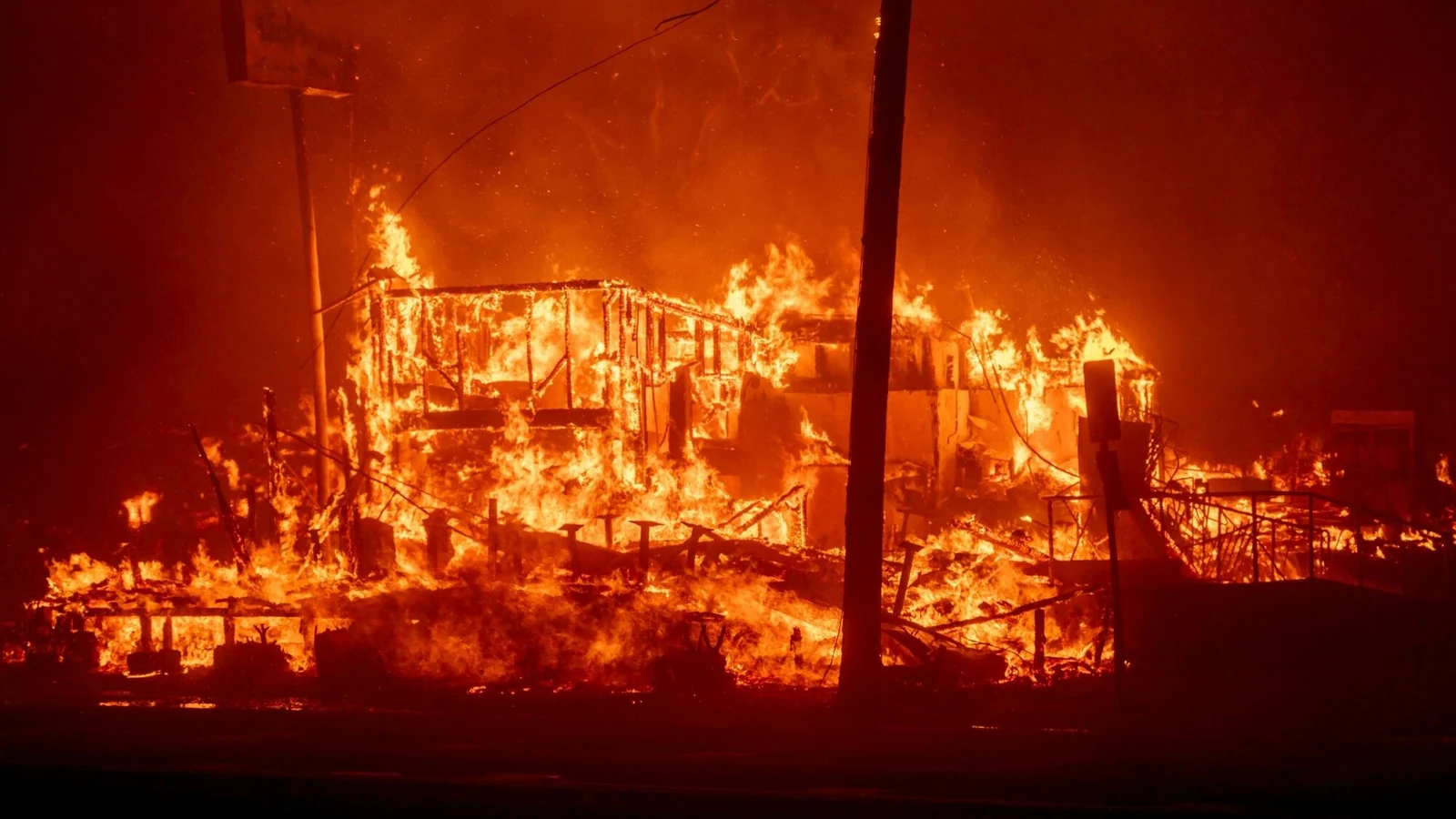
France’s Bordeaux-Gironde blaze marked the first recorded pyrocumulonimbus in the country, with evacuations exceeding 300,000 people across the Gironde region and western Madrid as the fire spread; the response involved about 2,500 firefighters, 1,500 military personnel, and around 1,200 police.
2
Wildfire smoke pushed air quality to dangerous levels with specific PM2.5 measurements: Bordeaux concentrations exceeded 300 µg/m³ at peak, daily averages around 115 µg/m³ (nearly five times the EU limit), and Limoges readings above 400 µg/m³ in some periods.
3
Spain’s fire situation included about 1,570 square kilometers burned since July 1 per EFFIS; Madrid region reported roughly 70,000 evacuations (the worst fire in its history), with Castellón experiencing around 10,000 evacuees.
4
The broader climate context cited by experts: Europe has warmed by about 2°C since the 1976 heatwave, reinforcing climate-change-driven increases in heatwaves and wildfire risk, a link emphasized by Ruben del Campo of AEMET.
Nearly 200,000 people have been evacuated from wildfires tearing through Spain and southern France this summer, as record heat turns forests into tinderboxes. Spain recorded its second-hottest June ever in 2026, with temperatures hitting around 42°C on multiple days, according to India Tribune.
Scientists say human-caused climate change is directly to blame. A study by World Weather Attribution found that climate change made Spain's record-breaking fires 20 times more likely to occur, PBS reported.
Fires Force 300,000 From Homes Across Two Countries
France's Bordeaux-Gironde region saw evacuations top 300,000 people as blazes spread rapidly. The response required roughly 2,500 firefighters, 1,500 military personnel, and around 1,200 police officers. Across the border, Spain's Madrid region reported about 70,000 evacuations alone — the worst fire in the region's history. Castellón added another 10,000 evacuees, according to India Tribune.
In total, about 1,570 square kilometers have burned in Spain since July 1, per data from the European Forest Fire Information System (EFFIS). That figure covers an area larger than London. Wildfires continue to spread as heat and dry conditions persist into August, Asia Insurance Post reported.
France Records Its First Fire-Generated Storm Cloud
The Bordeaux blaze produced something never seen before in France: a pyrocumulonimbus cloud. This is a massive storm cloud created by the heat of the fire itself. These clouds can generate their own lightning and winds, making fires far harder to control. It is part of a growing trend of intense fire-driven weather across Europe, Morning Star reported.
Wildfire smoke choked cities across France and Spain. In Bordeaux, PM2.5 pollution — tiny particles that damage lungs — peaked above 300 micrograms per cubic meter. Daily averages hit around 115 µg/m³, nearly five times the EU legal limit. Limoges recorded readings above 400 µg/m³ in some periods, according to India Tribune.
Climate Change Made These Fires 20 Times More Likely
World Weather Attribution, a group of scientists that studies climate's role in extreme weather, concluded that human-caused climate change made fire-prone conditions far more likely in Spain and France. Corporate Knights reported the group found global warming dramatically raised the odds of the extreme heat and dryness that fueled the blazes.
Spain's national weather agency AEMET added critical context. Ruben del Campo of AEMET warned that Western Europe has warmed by about 2°C since the 1976 heatwave. He said the region is warming faster than the global average, driving more frequent and more intense heatwaves. PBS noted scientists warn the wildfire risk will not ease as long as heat and dryness continue.
A New Normal: 'Weather Whiplash' Amplifies Fire Risk
Scientists also pointed to a pattern called 'weather whiplash.' Wet winters cause vegetation to grow rapidly. Then extreme summer heat dries it all out, creating enormous amounts of fuel for fires. Corporate Knights reported this cycle is becoming more common across southern Europe as climate change intensifies seasonal extremes.
The World Weather Attribution study was conducted while fires were still burning — a sign of how urgent scientists consider the link between climate and fire. Morning Star reported researchers say Europe must prepare for conditions like these to become routine, not rare, in the years ahead.
Sentiment
Mostly NegativeNEGATIVENEUTRALPOSITIVE
Publishers
14
Articles
53
Reach
67
A
AnonymousAuthor


