Canada Seeks EU Ties
Carney Endorses Canada Joining European Union as Its First Associate Member
Anonymous
Key Points
1
Carney told the European Parliament that closer ties were intended to build resilience rather than dominance, saying, “We do not seek power to dominate others.” He added that no country should be able to control Canada’s open markets, impair its sovereignty or undermine its democracy and rule of law.
2
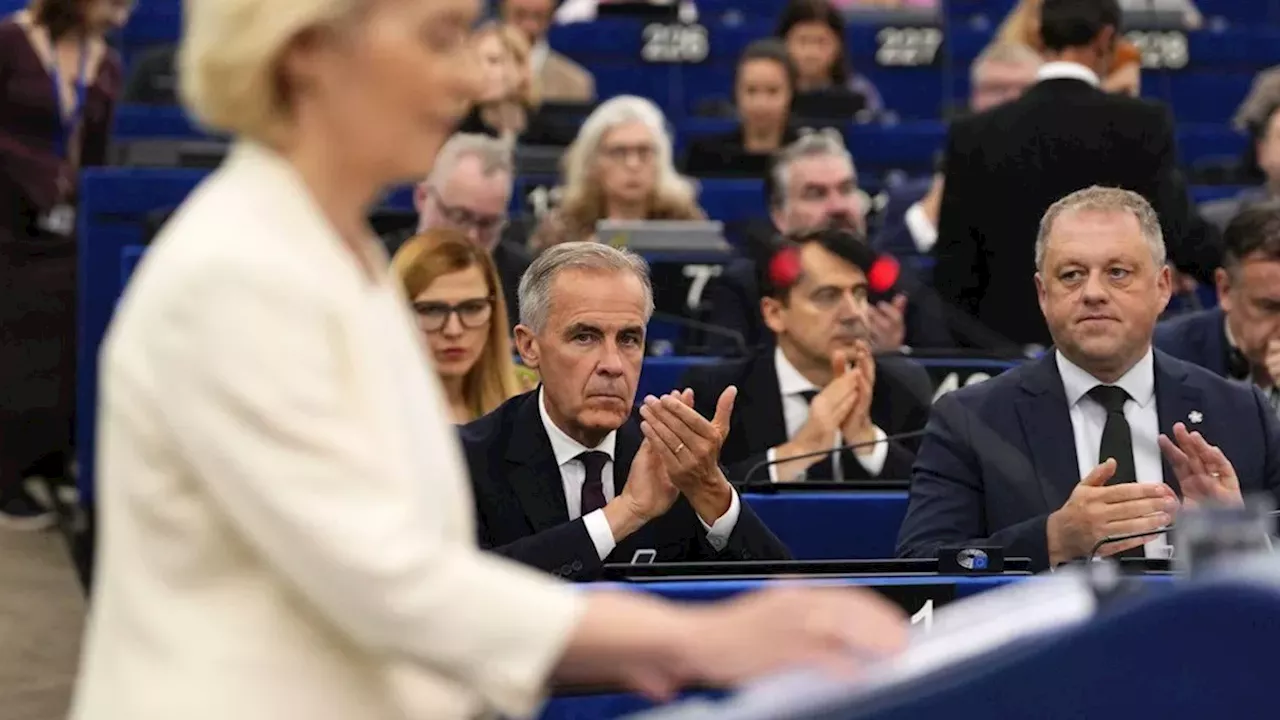
Carney received a notably enthusiastic welcome in Strasbourg: lawmakers approached him for handshakes and selfies, one wore a Canadian hockey jersey, and he received a standing ovation after his speech.
3
The proposal has generated public enthusiasm in Canada, particularly over possible mobility rights. Toronto commuter Miriam Levin-Gold told the BBC that allowing young people to live and work in Europe would let them “explore different parts of the world” and gain new experiences.
4
Analyst Ian Lesser of the German Marshall Fund said that although Ursula von der Leyen did not name the United States in her address, Washington was “present from start to finish,” reflecting the proposal’s significance amid deteriorating U.S.-Canada relations and European efforts to hedge against transatlantic uncertainty.
5
Former White House official Larry Haas criticized the idea by arguing that countries can “lose sovereignty” when they join the European Union because of the bloc’s trade restrictions, underscoring concerns about the costs of closer integration.
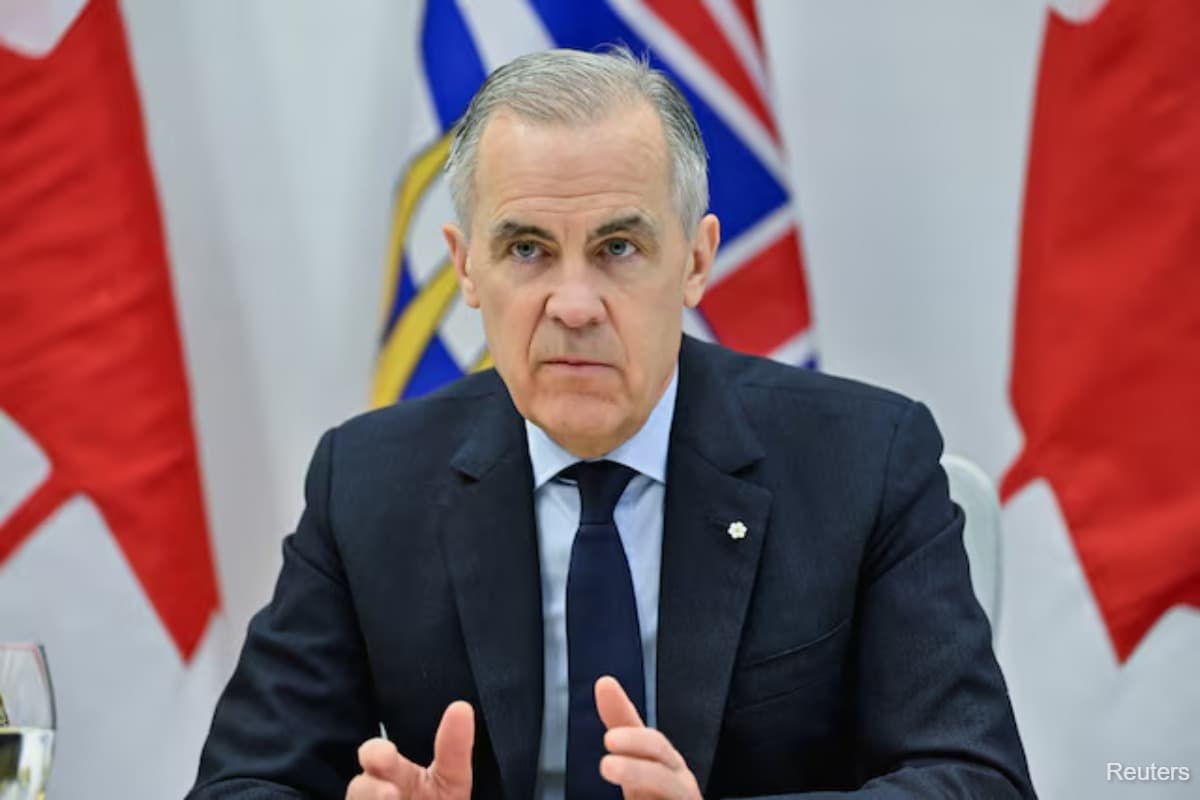
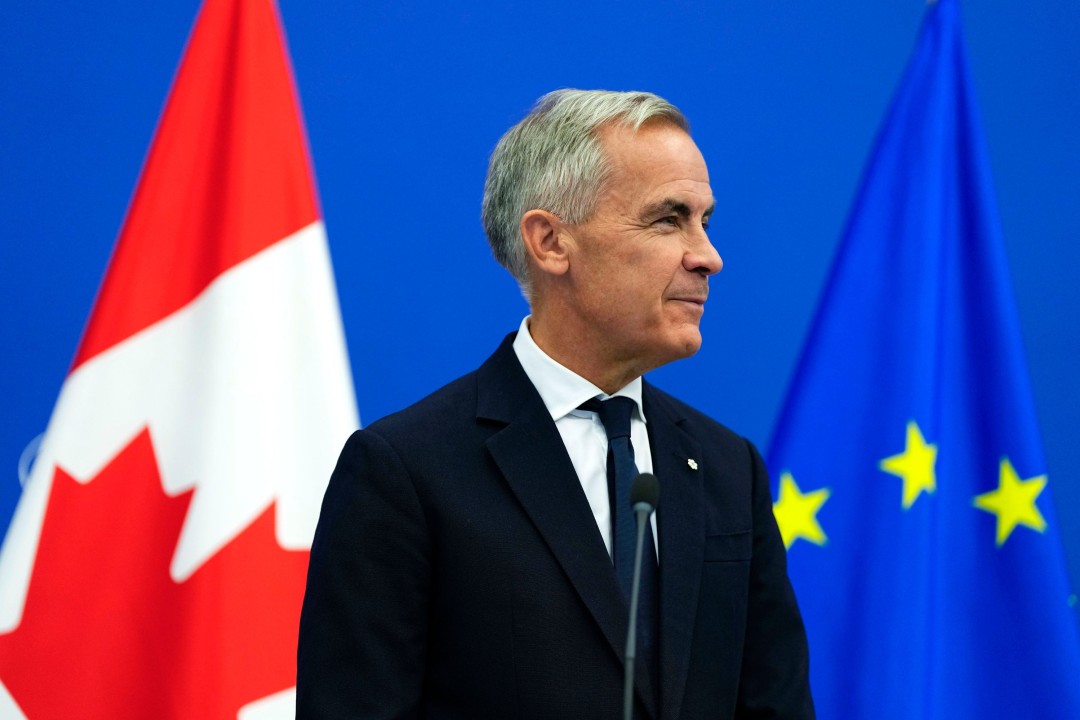
Canadian Prime Minister Mark Carney endorsed the European Union's proposal to make Canada its first associate member, seeking closer ties on trade, defense, energy, and Arctic security. Boston Herald reported that Carney told the European Parliament that the arrangement would strengthen Canada's resilience without creating a rival power bloc, saying "We do not seek power to dominate others."
The proposal sparked a swift warning from U.S. President Donald Trump, who called it "laughable" and threatened "very serious tariffs" on Europe if the deal moves forward. Newser noted that Carney pushed back against U.S. pressure, declaring that "nobody is going to tell us what language we speak" or dictate Canada's international agreements.
Carney's Speech Wins Standing Ovation in Strasbourg
On Thursday, September 17, Carney delivered a 22-minute address to 720 Members of the European Parliament in Strasbourg. Yahoo News reported that lawmakers approached him for handshakes and selfies, with one MEP wearing a Canadian hockey jersey. He received a standing ovation after declaring that no country should control Canada's markets or undermine its sovereignty and democracy.
EU Commission President Ursula von der Leyen had proposed the initiative one day earlier, stating BBC: "I would like to work with you on opening the door for Canada to be the first associate member of the EU." German Green MEP Terry Reintke declared: "Europe has extended a hand, and Canada has taken it."
Canadians Embrace Prospect of Living and Working in Europe
Public enthusiasm in Canada centers on expanded mobility rights. BBC reported that Toronto commuter Miriam Levin-Gold said allowing young people to live and work in Europe would let them "explore different parts of the world" and gain new experiences. Yahoo News found that overwhelming majorities of Canadians support deeper integration with Europe to diversify their economy.
Treaty Changes and Skeptics Could Delay Implementation for Years
The associate member framework does not currently exist under EU treaties. Creating it would require unanimous approval from all 27 EU member states and potential treaty amendments—a process expected to take years. Newser noted that EU officials expressed confusion over the legal mechanics of the arrangement.
Critics warn that closer EU ties could limit Canadian sovereignty. Former White House official Larry Haas argued that countries can "lose sovereignty" when they join EU structures because of strict trade regulations. However, analysts at the German Marshall Fund view the initiative as strategic hedging against U.S. trade pressure and transatlantic uncertainty.
Sentiment
Mostly NegativeNEGATIVENEUTRALPOSITIVE
Publishers
139
Articles
698
Reach
837
Topics
A
AnonymousAuthor