Canada Joins Defense Force
Canada formally applies to join the UK-led Joint Expeditionary Force for European defense.
Anonymous
Key Points
1
Canada was first invited by the United Kingdom to join the JEF more than a decade ago, but the government of then-prime minister Stephen Harper declined the offer amid military budget cuts and concerns about being committed to future operations without a specific mission.
2
Canada’s application seeks full-time membership; although its military has participated in JEF multinational exercises, it has not previously been a permanent member of the coalition.
3
The JEF’s 10 members are Denmark, Estonia, Finland, Iceland, Latvia, Lithuania, the Netherlands, Norway, Sweden and the United Kingdom.
4
Canada and the United Kingdom are working on a permanent arrangement to modernize the British Army Training Unit Suffield in Alberta. The 2,700-square-kilometre facility is used by the British military to test drones and other equipment.
5
Ottawa and London are discussing whether to merge their proposed defence-financing initiatives in order to increase their combined impact on military projects.
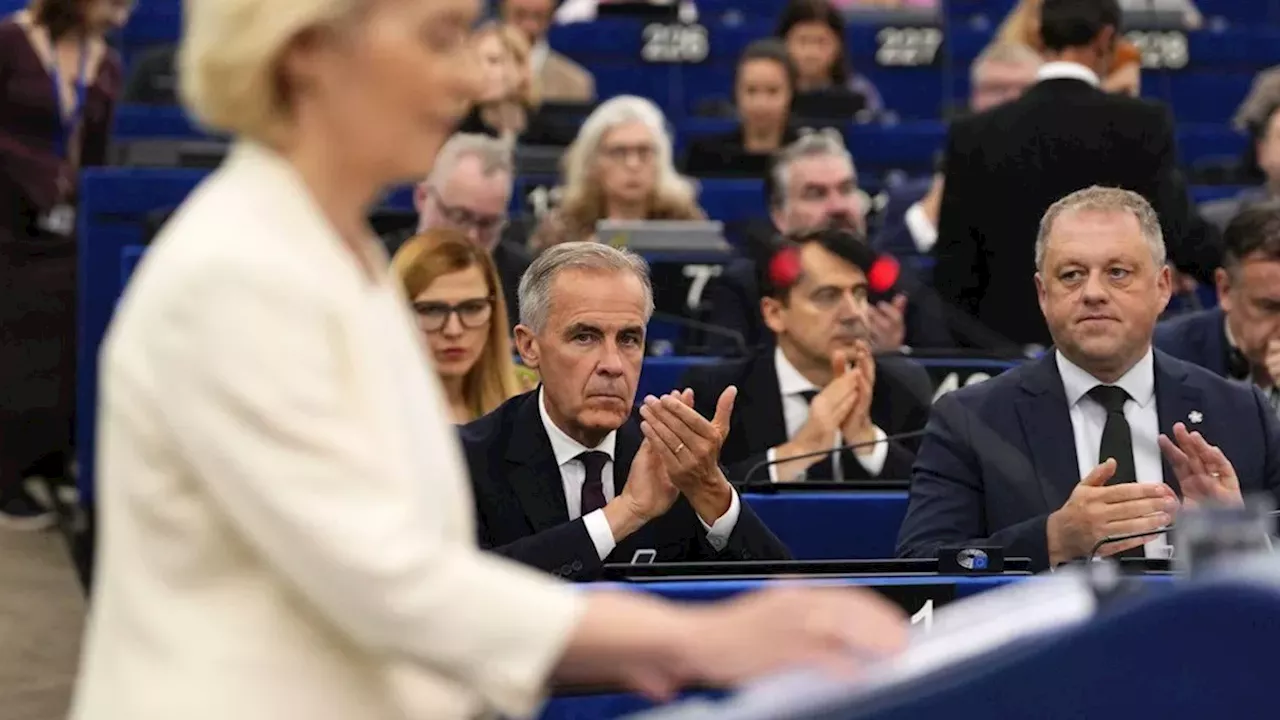
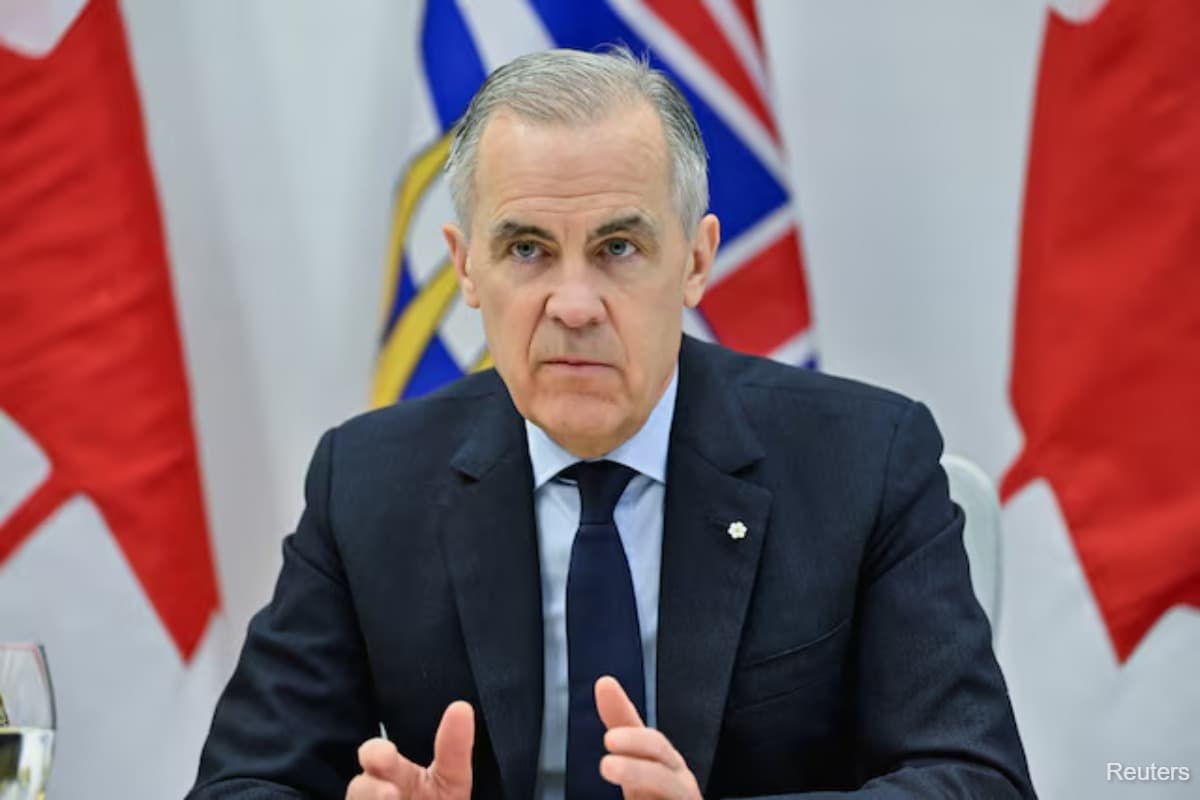
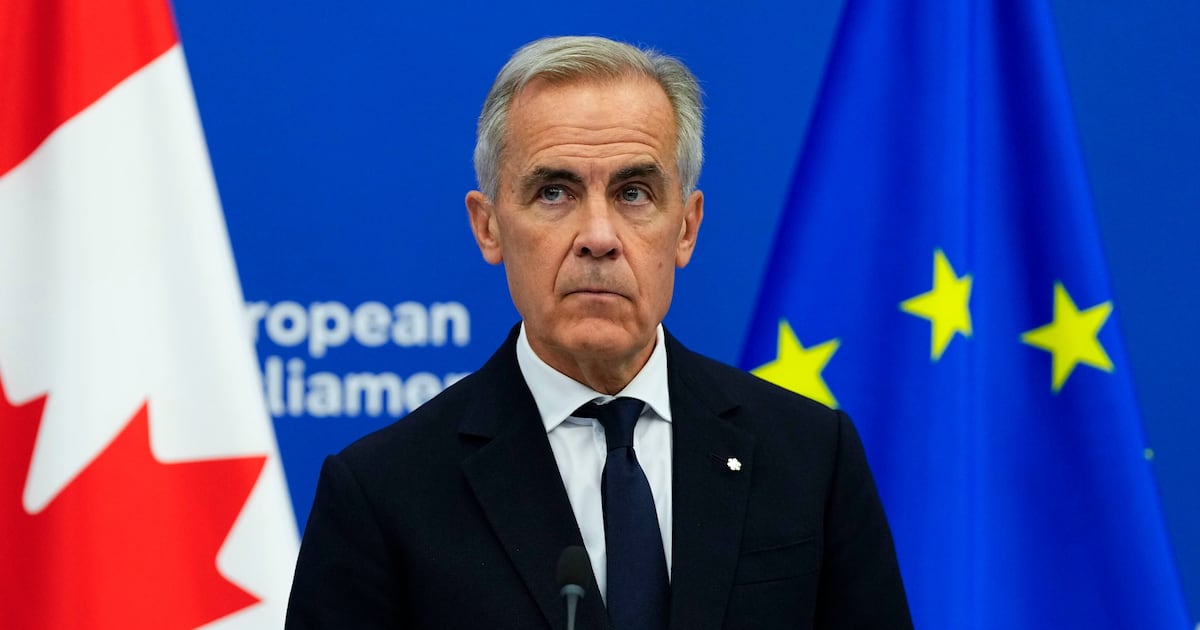
Canada has formally applied to join the UK-led Joint Expeditionary Force, a 10-nation rapid-response military coalition, marking a major shift in defence strategy after declining the same invitation over a decade ago. CTV News reported that Prime Minister Mark Carney announced the bid during talks with British Prime Minister Andy Burnham, who gave his full backing to Canada's membership.
The move deepens Canada's defence ties with European allies and reflects growing concerns about Russian military activity in the Arctic and economic friction with the United States. Canada previously rejected the JEF invitation in 2014 under Stephen Harper, citing military budget cuts and worries about committing forces to unknown future operations.
Why Canada Rejected JEF a Decade Ago
When the UK first invited Canada to join the JEF in 2014, the Harper government declined. The main concern was clear: joining would signal a commitment to future military operations without knowing what those missions would be. Lt.-Gen. Jonathan Vance warned at the time that Canada might accept operations it could not actually deliver on.
Defence budget cuts in the mid-2010s also made the commitment risky. Canada's military wanted to avoid legal and political obligations that could stretch already thin resources. The Harper government prioritized domestic spending over new military alliances.
The JEF's Growing Role in NATO's North
The Joint Expeditionary Force includes 10 members: the UK, Denmark, Estonia, Finland, Iceland, Latvia, Lithuania, the Netherlands, Norway, and Sweden. This coalition lets members respond quickly to regional crises without waiting for full NATO consensus. Defence analysts say JEF offers a smaller, nimble framework perfectly suited to Arctic and North Atlantic challenges.
Canada's Arctic interests align well with JEF's northern focus. The coalition can deploy forces faster than NATO for regional threats. Adding Canada gives the group stronger naval and airborne Arctic surveillance capabilities, including P-8 patrol aircraft and F-35 fighter jets.
Expanding Training and Defence Industrial Ties
Ottawa and London are modernizing the British Army Training Unit Suffield, a 2,700-square-kilometre facility in Alberta where British forces test drones and advanced equipment. This partnership reflects deeper military-industrial cooperation between the two nations. CTV News reported that both countries are also discussing joint defence financing initiatives.
The two governments want to merge their proposed defence financing programs to increase their combined impact on weapons and military technology projects. Canada has also gained observer status in the Global Combat Air Programme, a multi-nation jet development effort that brings additional strategic importance.
Canada's Pivot Away From US Reliance
Economic friction with US President Donald Trump has pushed Canada to diversify its international partnerships. European allies offer new defence and trade opportunities. Prime Minister Carney stated that the JEF is an 'important initiative' and called for closer ties with progressive democracies in Europe.
Russian military activity in the Arctic adds urgency to the move. Canada's defence establishment sees European partners as essential to securing the North. JEF membership would formalize Canada's role in a coalition designed to counter Russian threats on NATO's eastern and northern edges.
Sentiment
Mostly PositiveNEGATIVENEUTRALPOSITIVE
Publishers
49
Articles
171
Reach
220
Topics
A
AnonymousAuthor