Bielema Rekindles Rivalry
Illinois Coach Bielema Claims SEC Stuck in 2005 Amid Modern NIL and Transfer Portal Changes
Anonymous
Key Points
1
Nick Saban argued that the SEC remains the premier conference and pushed back on the Big Ten narrative during SEC Media Days.
2
Bielema highlighted that the NIL era and the transfer portal have reshaped rosters, noting that the current quarterback and offensive line at Illinois likely wouldn’t exist five years ago under older transfer rules.
3
Illinois’ 2025 season ended 9-4, culminating with a 30-28 Music City Bowl win over Tennessee, a concrete data point cited in the season context of the Big Ten vs. SEC debate.
4
The playoff format dispute spotlighted a split between commissioners, with Tony Petitti pushing for a 24-team playoff and Greg Sankey opposing that expansion, illustrating governance tensions shaping future championships.
5
Some outlets push back on the claim that the SEC’s dominance began in 2005, noting that SEC supremacy and a sustained title run actually coalesced in the mid-to-late 2000s, with Florida’s run cited as part of the broader timeline.
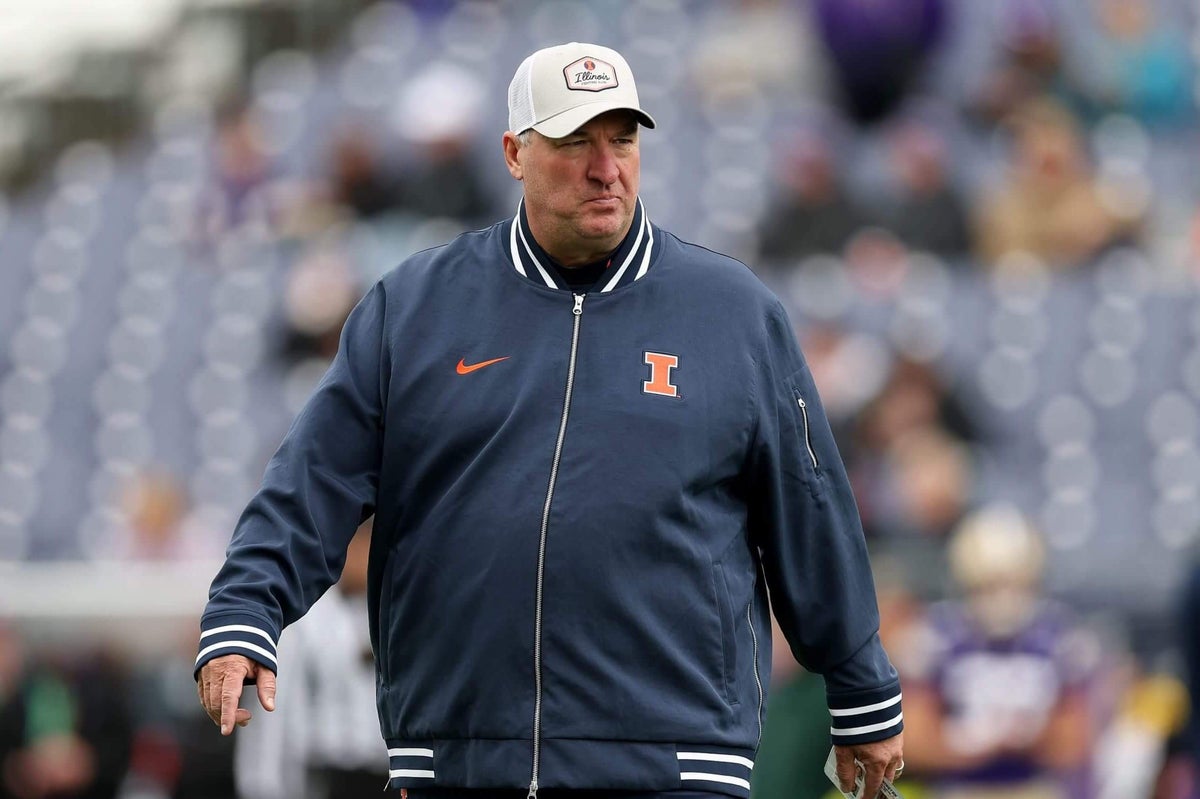
Illinois football coach Bret Bielema lit a fire at Big Ten Media Days, declaring that the SEC wants to "live in 2005 forever." He argued that NIL money and the transfer portal have shifted the balance of power in college football — and that the Big Ten is winning because of it, not despite it. Bradenton Herald reported his comments drew immediate attention across the sport.
The remarks come as the Big Ten has claimed three straight national championships. The SEC, which dominated the sport for roughly a decade before that run, is now playing defense — both on the field and in the press room.
Bielema's 2005 Dig and What He Really Means
Bielema's "2005" line was not random. He was pointing to the era when the SEC began its long title run. His argument: that era is over. The sport has changed. NIL — name, image, and likeness deals that let players earn money — and the transfer portal, which lets players switch schools freely, have rewritten how rosters are built. Charlotte Observer noted Bielema said his current quarterback and offensive linemen "likely wouldn't exist" at Illinois five years ago under old transfer rules.
Some outlets pushed back slightly, noting that the SEC's real dynasty didn't fully take hold until the mid-to-late 2000s — with Florida's back-to-back titles in 2006 and 2008 helping cement that grip. So the 2005 date is a bit of a rhetorical shorthand. But the broader point Bielema was making — that the old SEC playbook no longer rules — is hard to dismiss given recent results.
Illinois Beat Tennessee 30-28, and Bielema Noticed
Bielema did not arrive at Media Days without receipts. Illinois finished the 2024 season 9-4. The Illini closed it out with a 30-28 Music City Bowl win over Tennessee — an SEC team. That result was a concrete data point Bielema leaned on to back his broader claim. Beating a marquee SEC program in a bowl game gave his words more weight than if Illinois had gone 6-6.
Bielema has a history of poking the SEC. He has made past remarks about sign-stealing and bowl wins. His style is provocative on purpose. But this time, he had the scoreboard and the conference trophy case to back it up. The Big Ten's three straight national titles — Michigan in 2023, Michigan again in 2024, and Ohio State in 2025 — give his conference real standing in this argument.
Petitti vs. Sankey: A Playoff Fight Behind the Rivalry
The Big Ten–SEC rivalry isn't just about bragging rights. It runs through the boardroom too. Big Ten commissioner Tony Petitti opened Media Days pushing hard for a 24-team College Football Playoff. SEC commissioner Greg Sankey has opposed that expansion. The split between the two most powerful conferences shapes how championships are decided for years to come, according to News Observer.
A bigger playoff would likely benefit conferences like the Big Ten that regularly send multiple strong teams deep into the season. Sankey's resistance suggests the SEC prefers a format that rewards fewer, higher-ranked teams — a setup that historically favored the SEC's depth at the top. How that fight resolves will matter more than any single media day quote.
The Real Shift: NIL and Transfers Changed Who Wins
Beyond the trash talk, Bielema's comments point to something real. NIL and the transfer portal have made roster-building a different game. Schools in the Midwest and Pacific time zones can now compete for top players in ways they couldn't in 2005. Geographic and recruiting advantages the SEC once held have softened. Money still matters — but it flows differently now, and more of it is flowing outside the Southeast.
Nick Saban, the retired Alabama coach who won six national titles in the SEC era, argued at SEC Media Days that the SEC remains the premier conference. But Saban is gone. And the coaches now running SEC programs face a roster market that looks nothing like the one he mastered. Bielema's larger point — that the sport has evolved and the Big Ten evolved faster — is the argument the next several seasons will either prove or disprove.
Sentiment
Mostly NegativeNEGATIVENEUTRALPOSITIVE
Publishers
11
Articles
108
Reach
119
A
AnonymousAuthor


