Manufacturing Sector Contractions
Manufacturing activity contracts across Malaysia, Australia, and Turkey amid rising global pressures.
Anonymous
Key Points
1
Malaysia’s manufacturing job creation accelerated to its fastest pace since April 2026, even as the sector’s overall PMI moved into contraction.
2
Malaysian manufacturers marginally increased their stocks of purchases to build safety buffers against potential disruptions, while business confidence about future output weakened slightly.
3
The Australian PMI reading of 49.6 was slightly better than the analyst estimate of 49.3, although it still indicated a return to contraction.
4
In Malaysia, analysts expect the electrical and electronics manufacturing sector to outperform non-E&E manufacturers, supported by the global AI-driven semiconductor upcycle.
Manufacturing activity weakened across Asia-Pacific in September, with Malaysia and Australia both reporting contractions. Malaysia's PMI slipped to 49.9, its first contraction in four months, while Australia's fell to 49.6 — the sharpest decline in 21 months. Reuters reported that Turkey's manufacturing also faltered, with its PMI dropping to 47.9 as Middle East tensions weighed on regional factory output.
Malaysia's First Contraction in Four Months
Malaysia's manufacturing PMI of 49.9 marks a sharp reversal from recent growth. Output and new orders softened as Middle East tensions and El Niño-related weather disrupted production. Despite the overall contraction, employment accelerated to its fastest pace since April 2026, suggesting firms still expect demand to rebound soon. TipRanks noted that manufacturers also increased their stocks of purchases to build safety buffers against future disruptions.
Australia's Steepest Decline Since Early 2023
Australia's PMI fell 2.4 points to 49.6, marking a return to contraction territory. GuruFocus reported this was the sharpest operational decline in 21 months, driven primarily by weaker new orders. The reading came in slightly better than the analyst estimate of 49.3, but the decline still signaled a meaningful slowdown across the sector.
The manufacturing weakness immediately rippled through financial markets. The S&P/ASX 200 index fell 1.4% to 8,669 on the news, while the Australian dollar weakened alongside the gloomy factory data, reflecting investor concerns about the broader economy's health.
Turkey's PMI Sinks to 47.9 Amid Regional Conflict
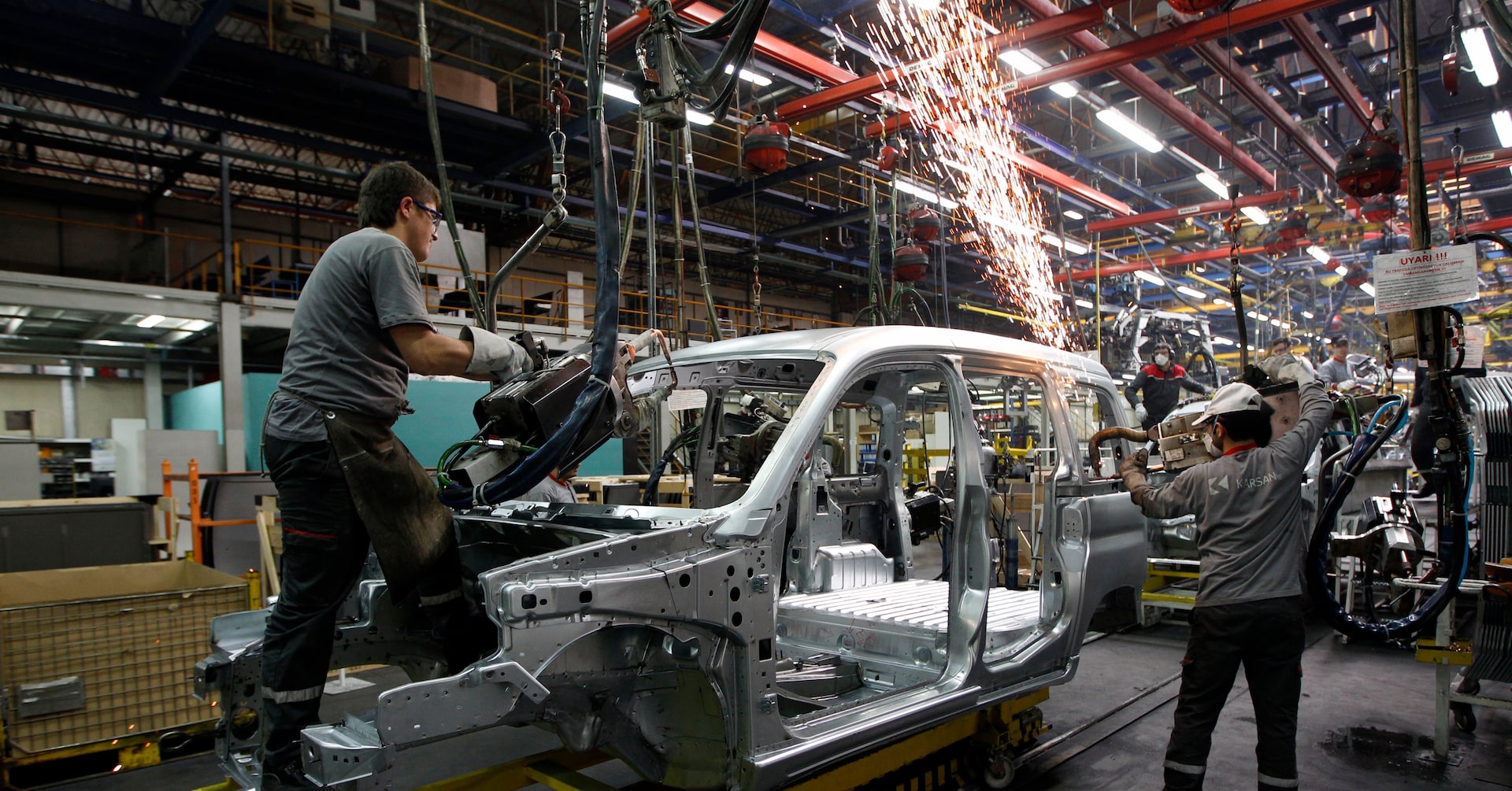
Turkey's manufacturing joined the regional contraction, with its PMI dropping to 47.9 in September from 48.1 in August. Reuters reported that Middle East conflict became a significant headwind, as firms cited the war as a key factor weighing on orders and production decisions across Turkish factories.
Semiconductors Expected to Outperform Amid AI Boom
Within Malaysia's broader manufacturing weakness lies a bright spot: the electrical and electronics sector is expected to outperform other industries. Analysts point to the global AI-driven semiconductor upcycle as a sustained tailwind. While traditional manufacturing struggles with geopolitical and weather headwinds, chip makers stand to benefit from surging demand for AI hardware and processing power.
Sentiment
Mostly NegativeNEGATIVENEUTRALPOSITIVE
Publishers
19
Articles
44
Reach
63
A
AnonymousAuthor


