Neighborhoods and Brain Aging
Study Links Disadvantaged Neighborhoods to Accelerated Brain Aging in Adults
Anonymous
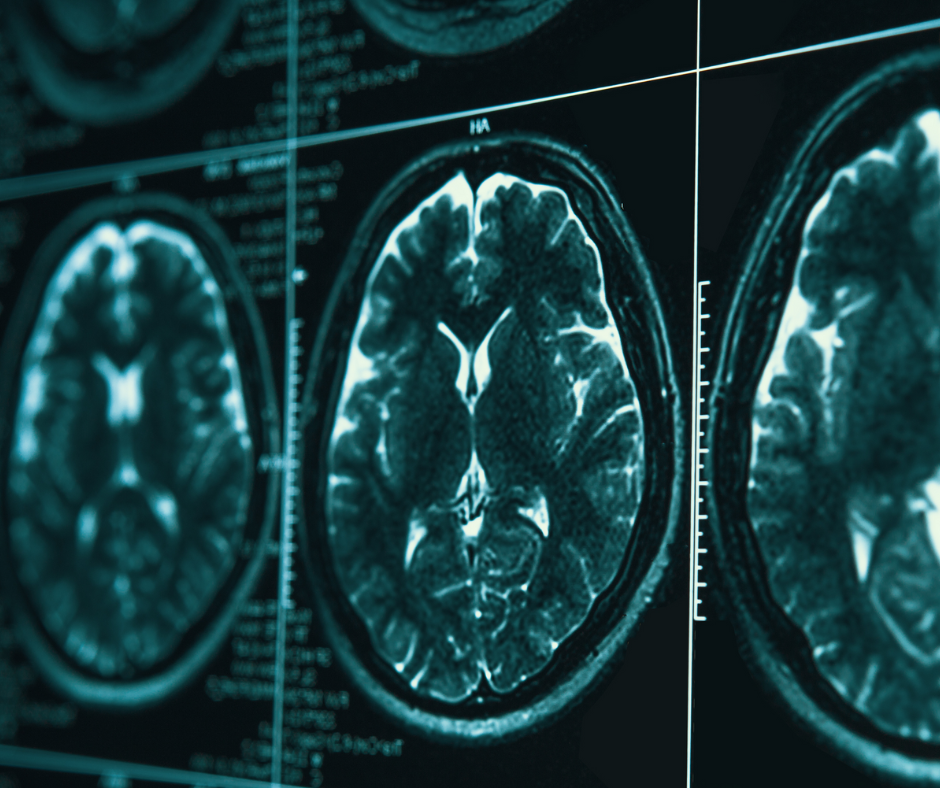
A study of 2,826 adults who underwent brain MRI found that people living in highly disadvantaged neighborhoods showed signs of accelerated brain aging, with brain age gaps roughly 2.7 to 3 years greater than those of residents in less disadvantaged areas. The most disadvantaged group also had modestly lower total brain volume and about 37% more white matter hyperintensities, MRI markers associated with small-vessel and cardiovascular-related brain damage. Researchers linked the findings to the cumulative effects of structural inequities, chronic stress and cardiometabolic risks, while cautioning that the retrospective study shows an association rather than proving that neighborhood conditions directly cause the changes. The results suggest neighborhood socioeconomic context may be useful in interpreting clinical brain scans and shaping public-health interventions.
Key Points
1
The study used the Area Deprivation Index (ADI), a neighborhood-level measure based on residents’ ZIP codes and factors including income, education, employment and housing; it describes conditions of a place rather than the circumstances of an individual resident.
2
The MRI data came from consecutive inpatient and outpatient clinical examinations conducted at the University of Wisconsin Hospitals and Clinics and community partners between January and June 2024, rather than from a specially recruited research cohort.
3
Patients with imaging evidence of disease were excluded, and the researchers normalized brain-volume measurements for intracranial volume while controlling their models for age and sex.
4
John-Paul Yu said the clinical implication is that neighborhood context may help explain variation in routine scans: “some of the variation we see in clinical scans may be environmentally driven rather than representative of a named pathological change.”
5
Yu described white matter hyperintensities as “the footprints of cardiovascular damage in the brain,” noting that higher volumes have been associated with memory loss, cognitive problems and dementia; he cited high blood pressure, poor sleep and chronic stress as factors that can impair cerebral blood flow over time.
Sentiment
Mostly NegativeNEGATIVENEUTRALPOSITIVE
Publishers
7
Articles
3
Reach
10
A
AnonymousAuthor


