Military and Diplomatic Fronts
Ukraine Reports Ongoing Strikes Across Russian Military Sites Amid Severe Wartime Challenges
Anonymous
Key Points
1
The Greek Foreign Ministry signed a 10-year memorandum with the Ecumenical Patriarchate providing €1 million in annual funding, while Cyprus has financed projects of the Patriarchate of Jerusalem through a special representative for religious freedom in the Middle East.
2
The proposed patriarchal meeting would bring together Constantinople—author of the Tomos establishing the Orthodox Church of Ukraine—and three churches for which Ukraine is a major concern; the analysis says its success would depend on treating the gathering as a council in which no single voice is decisive.
3
Among the reported recent incidents, a Russian drone struck a train near Ukraine’s border with Poland on Sept. 13; retired U.S. Gen. David Petraeus, who was nearby, characterized it as a jet-powered drone.
4
Ukraine reportedly used FP-5 “Flamingo” cruise missiles to strike a Russian chemical plant in Volgograd overnight on Sept. 10–11, while the Ukrainian Navy said an uncrewed Sargan-3000 surface vessel destroyed a Russian drone boat in the Black Sea.
5
Zelenskyy’s U.S. Capitol meeting included Republican senators Katie Britt, James Risch and Roger Wicker and Democratic Sen. Richard Blumenthal, in connection with the Lindsey O. Graham Sanctioning Russia and Iran Act of 2026.
Ukraine escalated strikes deep inside Russia on September 10–20, firing domestic cruise missiles at a chemical plant in Volgograd and an oil refinery near Moscow, according to Ukrainian Officials. Meanwhile, President Volodymyr Zelenskyy moved to strengthen Western backing, meeting U.S. lawmakers as Congress passed a sweeping sanctions bill targeting Russia's energy sector and financial institutions. The conflict now spans military, diplomatic, and religious fronts—from drone warfare to proposed talks between Orthodox patriarchs seeking to resolve church divisions tied to Ukraine.
On September 18, President Donald Trump signed the Lindsey O. Graham Sanctioning Russia and Iran Act of 2026 after winning bipartisan support in Congress (86–11 in the Senate, 262–159 in the House), according to Congressional Records. The law targets Russia's oil exports, shadow fleet, and major banks like Sberbank and Gazprombank. Defense Analysts say Ukraine's homemade Fire Point FP-5 and FP-7 cruise missiles—with ranges up to 3,000 kilometers—are now filling gaps left by Western weapons limits.
Ukraine Strikes Russian Chemical and Energy Targets
On the night of September 10–11, Ukrainian forces launched FP-5 "Flamingo" cruise missiles at the Volgogradpromproekt specialty chemical plant in Volgograd, hitting a production hall measuring roughly 20 by 15 meters, according to OSINT Imagery. Fire Point, the Ukrainian defense manufacturer, posted on social media: "Flamingos paid a little visit to Volgograd last night. Ukrainian sanctions, as always, proved to be the most effective." Russian regional officials downplayed the damage, claiming only "falling debris" hit the facility.
Between September 19–20, Ukraine struck the Gazpromneft-MNPZ oil refinery near Moscow and defense infrastructure across Donetsk, Zaporizhzhia, and Luhansk using FP-5 and FP-7 Pelican missiles, according to Ukrainian Military Sources. The refinery supplies about 40 percent of Moscow's fuel. By early September, Ukrainian munitions had reportedly hit at least 50 Russian targets, including 16 vessels and 11 energy sites.
Zelenskyy Secures U.S. Backing and New Sanctions Law
Zelenskyy traveled to Washington to meet Republican senators Katie Britt, James Risch, Roger Wicker and Democratic Senator Richard Blumenthal in connection with the new Russia sanctions bill, according to U.S. Capitol Officials. Blumenthal celebrated the law's passage, stating: "Today is a historic triumph for democracy—ours and Ukraine's. Putin is a thug who understands only force and strength." The bill reauthorizes Iran sanctions through 2031 and grants the U.S. power to impose tariffs up to 100 percent on countries importing Russian oil and gas.
The sanctions target major Russian financial institutions and crude oil exports at a time when Ukraine faces severe challenges. Ukrainian Officials acknowledge shortages of air defenses and manpower, budget pressures, and ongoing corruption. Yet European governments are encouraging continued resistance, betting that sustained military pressure will force negotiations favorable to Kyiv.
Orthodox Patriarchs Plan November Council on Ukrainian Church
On September 4, Ecumenical Patriarch Bartholomew announced a "brotherly Synaxis" scheduled for November 30 in Constantinople, inviting the Patriarchs of Alexandria, Antioch, and Jerusalem to address long-standing divisions, according to Religious Affairs Sources. The gathering revives the historic Pentarchy—the five leading Eastern Orthodox sees—but excludes Moscow, the largest Orthodox Christian population, in what Moscow-aligned church leaders call Western-backed hegemony. In 2019, Constantinople issued a Tomos granting independence to Ukraine's Orthodox Church, angering the Moscow Patriarchate.
Greece's Foreign Ministry signed a 10-year memorandum providing €1 million annually to the Ecumenical Patriarchate, while Cyprus has financed projects of the Jerusalem Patriarchate, according to Regional Government Sources. Church analysts say success depends on treating the November council as an open discussion forum where no single voice dominates—not as a tribunal imposing decisions on Ukraine's church structure.
Drone Strikes and Unmanned Warfare Expand Across Fronts
On September 13, a Russian jet-powered drone struck a passenger train near Ukraine's border with Poland, according to Eyewitness Reports. Retired U.S. General David Petraeus, who was in the area, witnessed the attack and described it as a drone powered by a jet engine. The strike underscores Russia's expanding use of unmanned systems and long-range weapons to target civilian infrastructure and military lines.
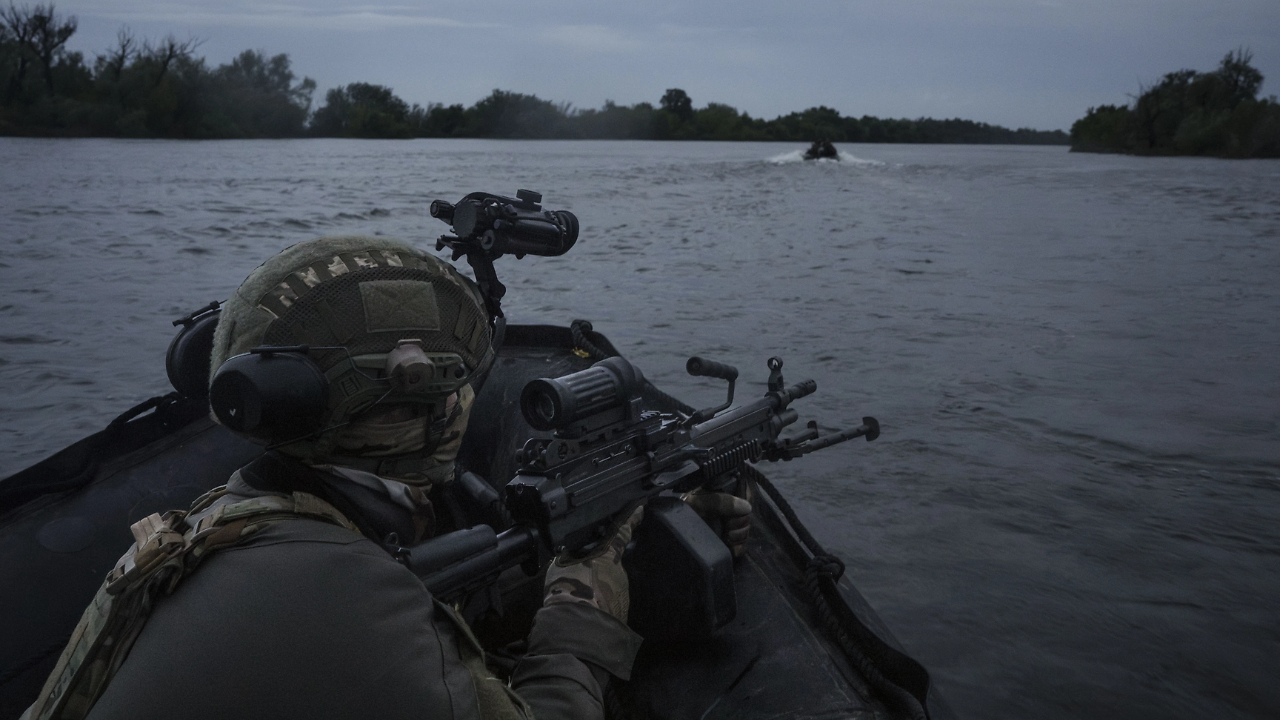
Ukraine's Navy reported that an uncrewed Sargan-3000 surface vessel destroyed a Russian drone boat in the Black Sea, according to Ukrainian Navy Communications. Analysts note that both sides are increasingly deploying low-cost unmanned systems—from naval drones to cruise missiles—to stretch limited conventional forces and avoid costly manned-aircraft losses.
Sentiment
Mostly NegativeNEGATIVENEUTRALPOSITIVE
Publishers
51
Articles
55
Reach
106
A
AnonymousAuthor


