Tusk Plans Ukraine Visit, Fico Sanctions Talks
Tusk Plans Ukraine Visit, Fico Sanctions Talks
Anonymous
Key Points
1
The planned summit is the Carpathian Integration Initiative meeting, announced as taking place in Ukraine’s Ivano-Frankivsk region from Sept. 18–20 and involving business representatives from countries across the Carpathian region.
2
The reported Russian strikes near the Ukrainian-Polish border also included attacks on trains carrying foreign diplomats and officials after they attended the Yalta European Strategy conference.
3
Tusk said Russian provocations could occur at any moment and recalled a threat attributed to Moscow that “Warsaw will cease to exist within two or three days” if war broke out with Poland.
4
Poland placed its air defenses on alert as warning sirens sounded in eastern Poland during Russia’s latest assault on western Ukraine.
5
Tusk expressed skepticism about the proposed U.S.-backed energy truce, saying Russia’s attacks came soon after the proposal and suggesting it may have been aimed more at persuading Ukrainian President Volodymyr Zelenskyy to halt attacks than at securing a reciprocal agreement; Russia and Ukraine had not confirmed such an agreement despite President Donald Trump’s announcement.
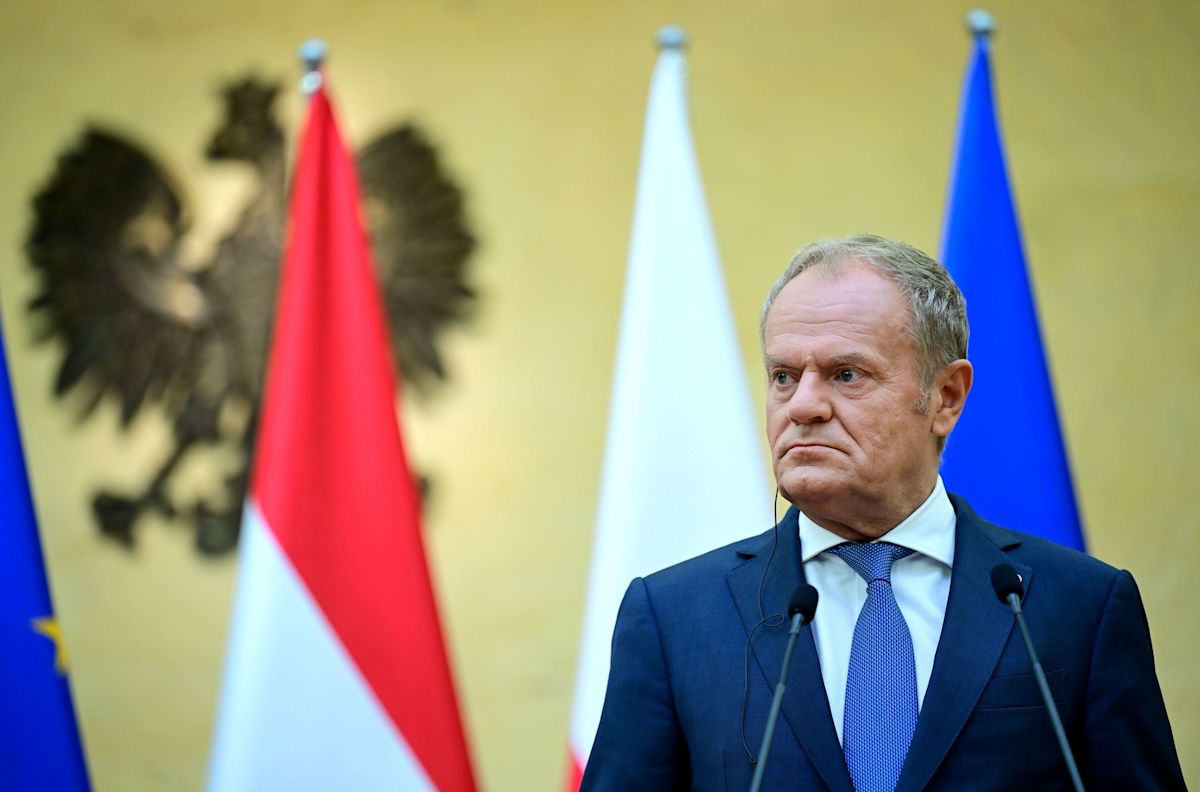
Polish Prime Minister Donald Tusk will travel to Ukraine on September 18 for a regional summit while pushing the European Union to impose tougher sanctions on Russia. European Interest reported that Tusk warned of imminent Russian 'hybrid' attacks—drones and missiles—targeting Poland and other countries backing Ukraine, citing intelligence assessments of Moscow's plans.
Tusk rejected the idea that Russia might negotiate soon, pointing to recent strikes near the Polish border that hit gas stations and trains carrying foreign diplomats. Yahoo News confirmed that air defense sirens sounded across eastern Poland as Russia launched fresh assaults on western Ukraine, prompting Warsaw to raise alert status.
Tusk Heads to Ukraine for Carpathian Summit
Tusk plans to attend the Carpathian Integration Initiative meeting in Ivano-Frankivsk from September 18–20. The summit will bring together business leaders and officials from across the Carpathian region. Tusk intends to use the visit to meet with Slovak Prime Minister Robert Fico and coordinate EU strategy on Russia.
The trip signals Poland's commitment to deepening ties with Ukraine amid war. European Interest noted that Tusk has been pressing Central European allies—particularly the Visegrád countries—to unite behind stronger EU sanctions as the bloc prepares its 22nd package against Moscow.
Russia's Escalating Hybrid Warfare Campaign
Market Screener reported that Tusk warned of Russian plans to deploy 'hybrid' missile and drone attacks designed to 'paralyze or weaken' Ukraine's allies. These strikes aim to appear 'accidental,' creating plausible deniability while sowing chaos. Recent Russian attacks near the Polish border targeted critical infrastructure including gas stations and trains.
Tusk recalled a threat attributed to Russia claiming 'Warsaw will cease to exist within two or three days' if war erupted between Poland and Moscow. The prime minister emphasized that Russian provocations could happen at any moment, making constant vigilance essential for NATO members bordering Ukraine.
Tusk Skeptical of U.S.-Backed Energy Truce Proposal
Tusk expressed doubt about a proposed energy ceasefire between Russia and Ukraine backed by the United States. He noted that Russian attacks followed the proposal announcement, suggesting Moscow may have aimed the truce idea at convincing Zelenskyy to halt Ukrainian strikes rather than achieving genuine mutual agreement.
Neither Russia nor Ukraine confirmed they had accepted such an agreement, despite President Donald Trump's announcement of a deal. Tusk's skepticism reflects broader Polish concerns that Russia uses diplomatic proposals as cover for military operations rather than as genuine paths to de-escalation.
Poland Raises Defenses as EU Weighs Sanctions
Poland activated air defenses and sounded warning sirens across eastern cities as Russian missiles struck western Ukraine. Tusk expressed surprise at France's position in EU sanctions discussions but said he remained 'cautiously optimistic' about support from other Visegrád countries for tougher measures.
The escalating Russian attacks underscore why Tusk and other Eastern European leaders believe stronger EU sanctions are critical. Without coordinated pressure, they argue, Russia will continue testing NATO's resolve through proxy strikes and hybrid attacks targeting infrastructure and civilian populations.
Sentiment
Mostly NegativeNEGATIVENEUTRALPOSITIVE
Publishers
19
Articles
29
Reach
48
Topics
A
AnonymousAuthor


