Antiquities Repatriation
United States Formally Returns Stolen Ancient Artifacts to Greece
Anonymous
Key Points
1
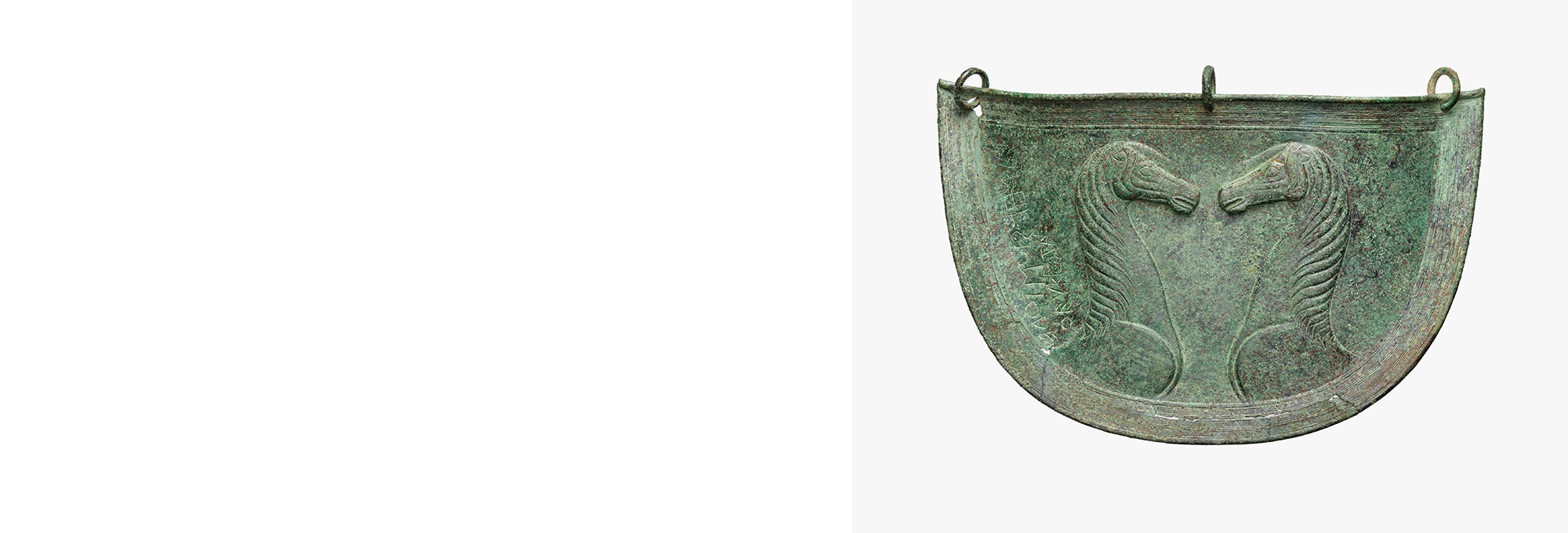
Five of the returned objects are bronze military artifacts documented as being linked to the large clandestine excavation carried out at Afrati in 1964.
2
The collection includes a female marble Cycladic figurine of the Spedos type, dated to approximately 2700–2600 BC, as well as a bronze bracelet from northern Greece dating to the seventh or sixth century BC.
3
The Manhattan handover was attended by Assistant District Attorney Matthew Bogdanos, a former Marine colonel of Greek ancestry who heads the district attorney’s Antiquities Trafficking Unit.
4
Greek Culture Minister Lina Mendoni described each repatriation as “an act of justice towards our history,” while emphasizing that Greece is an active partner in the investigations and documentation behind the returns.
5
The Ministry of Culture did not disclose how the Manhattan District Attorney’s Office obtained or confiscated the 15 artifacts in the United States.
The United States returned 15 ancient Greek artifacts to Greece this week, marking another major win in the fight against antiquities trafficking. Culture Minister Lina Mendoni received the collection in New York, which includes bronze helmets, a marble Cycladic figurine dating to 2700–2600 BC, and jewelry spanning roughly 3,000 years of Greek history. Archaeology Magazine reported that the items were confiscated by U.S. authorities and formally handed over after investigations revealed their illicit origins.
The repatriation brings the total number of Greek antiquities recovered through Manhattan District Attorney decisions to 179 since 2022. Five of the returned objects are bronze military artifacts linked to a clandestine 1964 excavation at Afrati on Crete. The handover underscores deepening cooperation between U.S. and Greek authorities to recover looted cultural property and reunite objects with their rightful origins.
Bronze Helmets and a 4,700-Year-Old Figurine
The returned collection spans an enormous sweep of Greek history. It includes five bronze military artifacts—likely helmets and weapons—documented as coming from the Afrati excavation in 1964. A standout piece is a female marble Cycladic figurine of the Spedos type, dated to approximately 2700–2600 BC, making it nearly 4,700 years old. The haul also contains a bronze bracelet from northern Greece dated to the seventh or sixth century BC, plus a marble conch-shell reproduction and a gold necklace.
An Illegal 1964 Dig Exposed Decades Later
The Afrati excavation on Crete was conducted in secret in 1964—long before modern legal frameworks for protecting antiquities. Several items from that dig have now surfaced in the United States, where they were seized by authorities. Archaeology Magazine noted that some of the returned objects will be reunited with other artifacts from the same excavation at the Archaeological Museum of Heraklion in Crete, restoring pieces of a fractured historical record.
Manhattan DA Leads Crackdown on Antiquities Smuggling
Assistant District Attorney Matthew Bogdanos, a former Marine colonel of Greek ancestry, heads the Manhattan District Attorney's Antiquities Trafficking Unit. Bogdanos oversaw the confiscation and return of these 15 artifacts. Since 2022, his office has recovered and repatriated 179 Greek antiquities—a sign of intensifying U.S. enforcement against the illicit antiquities market. The recoveries also reflect Greece's active role in investigations and documentation efforts.
Greece Calls Returns an 'Act of Justice' to History
Greek Culture Minister Lina Mendoni framed each repatriation as "an act of justice towards our history." She emphasized that Greece is not a passive recipient but an active partner in the investigations and documentation behind every return. The handover in New York highlights the growing partnership between U.S. prosecutors and Greek cultural officials to combat trafficking networks that have stolen billions in antiquities from museums, archaeological sites, and private collections over decades.
Sentiment
Mostly NegativeNEGATIVENEUTRALPOSITIVE
Publishers
13
Articles
14
Reach
27
Topics
A
AnonymousAuthor


