Parthenon Sculptures Talks Collapse
Negotiations Between Greece And The British Museum Over Parthenon Sculptures Reportedly Collapse
Anonymous
Key Points
1
Former British chancellor and British Museum chairman George Osborne had previously said there was a “deal to be done” over the sculptures’ return, despite the talks now being stalled.
2
The British Museum’s position is partly based on its claim that Lord Elgin obtained permission from Ottoman authorities to remove the sculptures; Greece disputes that interpretation and says the works were taken unlawfully.
3
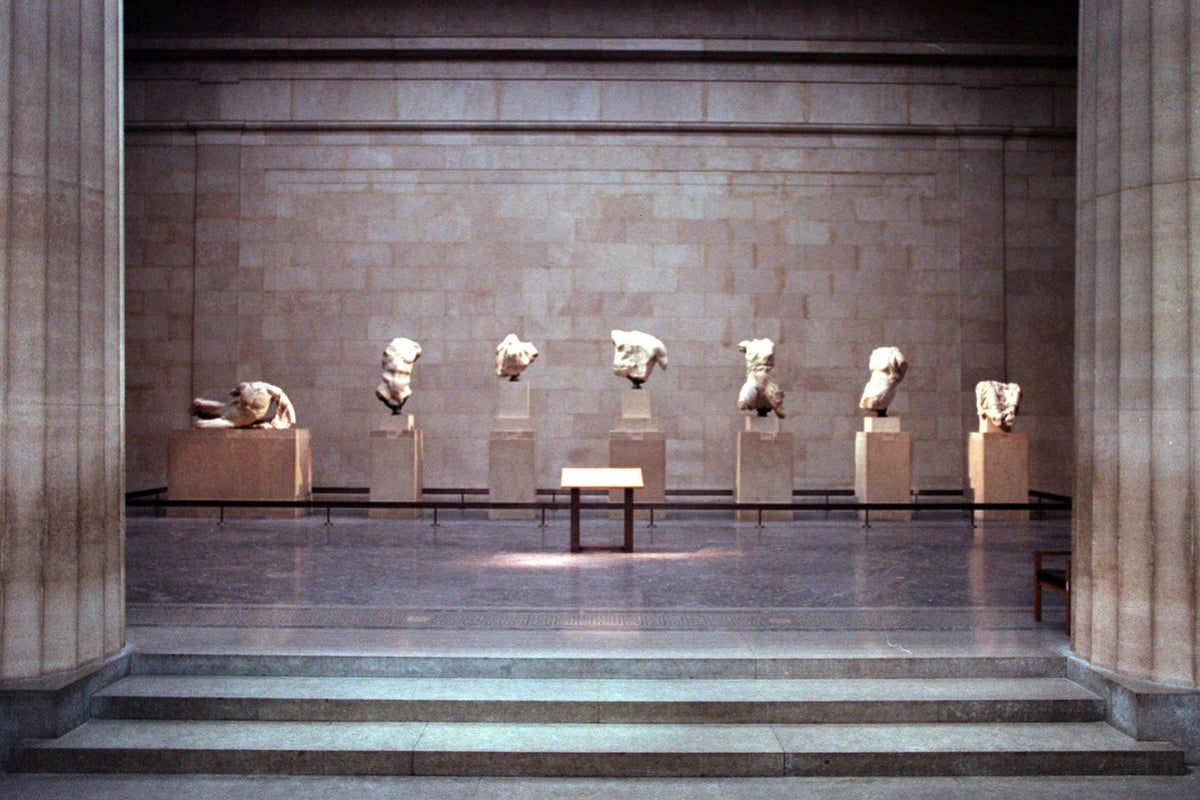
The sculptures originally decorated the Parthenon’s east and west pediments and its frieze. About half of the surviving works are held by the British Museum, while the remainder are in Athens, with smaller fragments in several other European museums.
4
One proposed compromise sought to avoid either side formally abandoning its ownership position by allowing the sculptures to spend extended periods in Athens while Greece lent other ancient artifacts to Britain.
Negotiations between Greece and the British Museum over returning the Parthenon Sculptures have stalled and are now considered "effectively over," Yahoo News reported. The talks, which reopened in 2021, explored a compromise: Greece could display the sculptures in Athens while loaning other ancient artifacts to London. But a fundamental deadlock remains—Greece demands permanent return, while the British Museum insists it can only lend, not give away the works.
The sculptures were removed from Athens by British diplomat Lord Elgin in the early 1800s when Greece was under Ottoman rule, then sold to the British government. Today, roughly half of the surviving pieces sit in London, while the rest remain in Athens and scattered across European museums. The Independent noted that communication channels remain open, leaving a slim door for future talks.
The Ownership Dispute That Killed Negotiations
Greece and Britain cannot agree on who owns the sculptures. Greece says Lord Elgin took them unlawfully from the Parthenon's pediments and frieze. Britain counters that Elgin had permission from Ottoman authorities—a claim Greece firmly rejects. Yahoo News reported that this clash over legal ownership has become the wall neither side can scale.
The British Museum argues it is legally bound to hold the works in trust and cannot give them away permanently. A long-term loan was proposed as a workaround—Greece could keep the sculptures in Athens for extended periods while London retained formal ownership. Greece rejected this compromise, fearing it would legitimize British ownership claims.
Osborne's "Deal" Vanishes as Reality Sets In
George Osborne, the British Museum's chairman and former British chancellor, had previously declared there was a "deal to be done" on the sculptures' return. His optimism suggested a resolution was within reach. But Yahoo News reported that those confident statements have not translated into a breakthrough. Instead, the talks have ground to a halt amid mutual frustration.
Both sides blamed the other for lack of progress. Greece grows impatient waiting for a permanent solution, while the British Museum stands firm on its legal constraints. The gap between "reunion in Athens" and "ownership transfer" has proven too wide to bridge so far.
A Fractured Heritage Across Three Continents
The Parthenon Sculptures were originally part of a unified decorative program on the ancient temple. Today, that artistic vision is shattered. The British Museum holds roughly half the surviving pieces. Athens holds the rest. Smaller fragments are scattered across museums in other European countries, making physical reunification already incomplete even if a deal were struck.
This fragmentation underscores what's at stake. Greece's push for return is framed as cultural repatriation and historical justice. Britain's resistance centers on its role as a global museum and its legal inability to deaccession objects. Both positions reflect deeper questions about who should steward ancient heritage and where objects belong—in their birthplace or in world collections.
Sentiment
Mostly NegativeNEGATIVENEUTRALPOSITIVE
Publishers
14
Articles
12
Reach
26
A
AnonymousAuthor