Global Vulture Conservation Crisis
Nearly seventy percent of vulture species face severe extinction threats worldwide.
Anonymous
Key Points
1
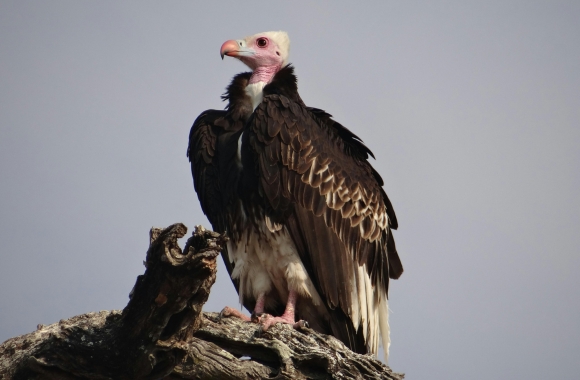
Vultures’ bald heads and necks help keep feathers free of contamination while feeding and also help the birds stay cool in hot climates. They communicate through grunts, screeches and hisses because they lack a syrinx, the vocal organ found in many other birds.
2
Tamil Nadu is home to four vulture species—the white-backed, Indian, red-bellied and Egyptian vultures—while the state’s Griffon vulture population is estimated at only 300 to 400 birds and is now restricted to a handful of forest areas.
3
Cambodia’s vulture conservation partnership began more than 20 years ago and was formally organized as the Cambodia Vulture Working Group in 2017, bringing together government agencies, conservation organizations, research institutions and ecotourism partners.
4
Vulture species divide carcasses through complementary feeding strategies: griffon vultures focus on soft tissue, cinereous vultures tear tougher material, Egyptian vultures take smaller scraps, and bearded vultures specialize in bones, sometimes dropping large bones onto rocks to break them open.
5
In France, the LPO and its vulture conservation network have run a national awareness program since 2014, with events scheduled across the country from Aug. 15 to Sept. 13, 2026.
Nearly 70% of vulture species face extinction worldwide, according to conservationists marking International Vulture Awareness Day. These birds are nature's cleanup crew, with specialized stomachs that safely digest diseased carcasses and stop dangerous pathogens from spreading. Yet habitat loss, toxic drugs like diclofenac, and vanishing food sources are wiping out populations—some have dropped 99% in parts of India.
The crisis spans the globe, but conservation wins show recovery is possible. Cambodia's critically endangered vulture population jumped 22% to 163 birds in the latest count, while India's Tamil Nadu state has only 300 to 400 griffon vultures left, confined to a handful of forests. Experts say sustained protection and community cooperation remain vital to saving these misunderstood birds.
Why Vultures Clean Up Better Than Any Other Animal
Vultures' stomachs are built to handle what would kill most birds. They can safely digest bacteria and viruses in rotting meat, preventing deadly pathogens from spreading to other animals and humans. Their bald heads and necks stay clean while feeding and help them cool down in hot climates. The Tracy Aviary notes that these adaptations make vultures irreplaceable in nature's ecosystem.
Different vulture species work together to strip every part of a carcass. Griffon vultures eat soft tissue. Cinereous vultures tear tougher material. Egyptian vultures take small scraps. Bearded vultures specialize in bones—even dropping large ones onto rocks to crack them open. This division of labor means nothing goes to waste and disease spreads less.
India's Vulture Crisis Hits Historic Lows
Tamil Nadu, home to four vulture species, shows how fast populations can collapse. The state's griffon vulture numbers dropped to just 300 to 400 birds, now surviving only in a handful of forests. The Indian vulture, white-backed vulture, red-bellied vulture, and Egyptian vulture all live there, but populations have plummeted due to habitat destruction and toxic drugs used on livestock.
Diclofenac, a veterinary painkiller, is a major culprit. When livestock are treated with the drug and die, vultures that eat the carcasses suffer kidney failure and die too. Some vulture populations in India have dropped 99%, making recovery extremely difficult. Union Minister Bhupender Yadav launched a conservation workshop titled 'From Crisis to Recovery' to address the emergency.
Cambodia Proves Vultures Can Bounce Back
Cambodia's white-rumped, slender-billed, and red-headed vultures are critically endangered, but their numbers are climbing. In the latest survey, these three species increased 22% to 163 total birds. This recovery took more than 20 years of dedicated work. In 2017, Cambodia formalized its efforts by creating the Vulture Working Group, bringing together government agencies, conservation groups, research institutions, and ecotourism partners.
The partnership model shows what's possible when communities unite around a single goal. By protecting nesting sites and managing food sources, Cambodia has reversed the downward spiral. Conservationists emphasize that continued protection is essential—these gains can vanish quickly without sustained effort and funding.
Global Awareness Campaigns Gaining Momentum
Conservation groups are using International Vulture Awareness Day to educate the public. In France, the LPO and its vulture conservation network have run a national awareness program since 2014. For 2026, events are scheduled across the country from August 15 to September 13. These campaigns help people understand that vultures are heroes, not villains.
Changing public perception is critical. Many people fear or misunderstand vultures, but they communicate through grunts, screeches, and hisses—sounds that reflect their intelligence and social bonds. Sustained cooperation among governments, conservation groups, and local communities remains the best path forward to protect the 23 vulture species that occupy habitats worldwide.
Sentiment
Mostly NegativeNEGATIVENEUTRALPOSITIVE
Publishers
16
Articles
7
Reach
23
A
AnonymousAuthor


