Midwest Culinary Traditions
Midwest Restaurants Highlight German, Steakhouse, and Supper Club Traditions Across the Region
Anonymous
Key Points
1
Thai Village at Cornerstone of Centerville offers a stocked bar with standard spirits, domestic, Japanese and Thai beers, as well as an outdoor patio and semi-private seating areas.
2
Mamma DiSalvo’s has preserved its family lasagna recipe essentially unchanged for nearly five decades, making the dish a longstanding tradition for both the DiSalvo family and repeat customers.
3
The Lumpia Queen’s food truck launched six years ago and is frequently found at Wright-Patterson Air Force Base, in addition to serving lumpia, pancit and adobo at other locations.
4
Schnitzel Platz is located at 729 North Avenue in Glendale Heights, and diners from the Chicago suburbs sometimes drive about 40 minutes to experience its Bavarian-style setting.
5
Gene & Georgetti, which opened in Chicago’s River North neighborhood in 1941, reportedly attracted Frank Sinatra and serves Italian dishes such as antipasto misto, shrimp de Jonghe and tiramisu alongside its steaks.
The Midwest is doubling down on heritage dining. From German schnitzel halls near Chicago to 80-year-old steakhouses and family Italian restaurants, regional diners are flocking to establishments that prioritize tradition over trends. Family Destinations Guide highlights how these institutions—anchored by unchanged recipes, Bavarian decor, and old-school hospitality—continue drawing customers willing to drive 40 minutes for an authentic experience.
Across Dayton, suburban Illinois, and Minnesota, food coverage reveals renewed appetite for comfort dining and cultural preservation. Whether it's Thai Village's semi-private seating and craft beer selection, The Lumpia Queen's Filipino street food at Wright-Patterson Air Force Base, or Gene & Georgetti's classic Italian steaks in Chicago, these venues thrive by staying true to their roots while commodity relief—such as lower avocado prices—eases margins.
Bavarian Tradition Thrives in Chicago Suburbs
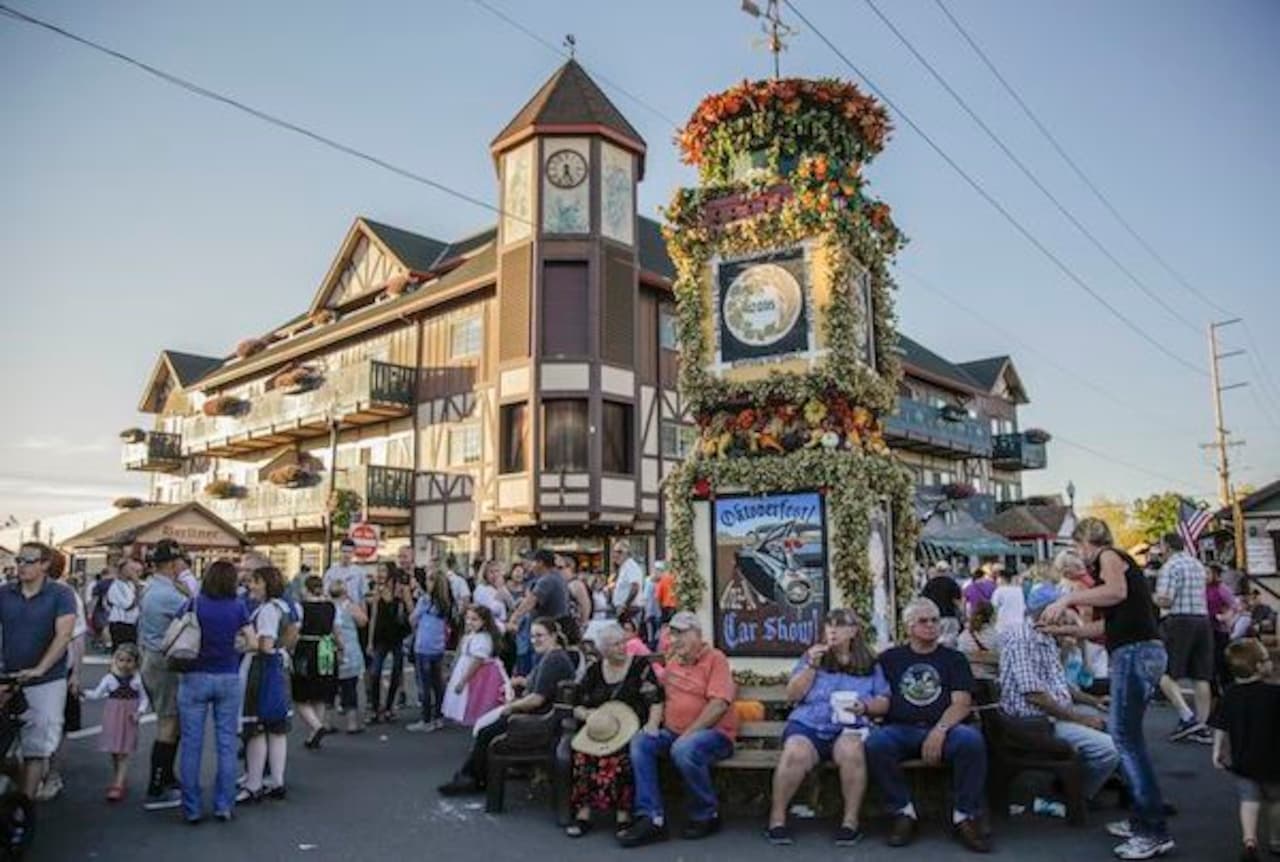
Schnitzel Platz in Glendale Heights, Illinois, has become a destination for Chicago-area diners seeking an immersive European experience. Located at 729 North Avenue, the restaurant recreates a Bavarian Alpine village complete with traditional decor and servers dressed in regional attire. Family Destinations Guide reports that suburban patrons routinely drive about 40 minutes to dine there, treating the journey as part of the cultural experience itself.
The venue's success mirrors a broader Midwest trend: heritage restaurants attract loyal customers by refusing to chase trends. Schnitzel Platz delivers German specialties in a setting designed to transport diners across the Atlantic. This immersive approach—combining food, ambiance, and nostalgic service—demonstrates that authenticity remains a competitive advantage in suburban dining markets.
Chicago's River North Icon Spans Eight Decades
Gene & Georgetti opened in Chicago's River North neighborhood in 1941, making it an 82-year-old fixture of the city's steakhouse tradition. Eat This notes the restaurant has long attracted high-profile patrons, including Frank Sinatra. Its menu pairs prime cuts with Italian classics such as antipasto misto, shrimp de Jonghe, and tiramisu—a formula that has endured market shifts by emphasizing consistency over innovation.
Family ownership remains key to Gene & Georgetti's staying power. Rather than pivoting toward modern fusion or fast-casual concepts, the restaurant maintains its post-WWII steakhouse identity. This deliberate resistance to menu churn builds institutional trust across generations, turning the dining room into a living archive of Chicago's mid-century restaurant culture.
Dayton's Multi-Ethnic Dining Scene Expands
Dayton's restaurant landscape reveals how regional cities embrace cultural diversity through long-running family operations. Mamma DiSalvo's has preserved its signature lasagna recipe essentially unchanged for nearly 50 years, anchoring the restaurant's identity in multi-generational Italian tradition. Ever After in the Woods highlights Thai Village at Cornerstone of Centerville, which offers a stocked bar with domestic, Japanese, and Thai beers alongside semi-private seating and outdoor patio space.
The Lumpia Queen, a food truck that launched six years ago, represents a newer form of heritage dining. Operating frequently at Wright-Patterson Air Force Base and community pop-ups, it serves Filipino street food—lumpia, pancit, and adobo—to service personnel and locals seeking comfort dishes tied to cultural roots. Lower avocado commodity prices cited in recent food sector reports offer margin relief across these independent operators.
Minnesota's Supper Club Heritage Lives On
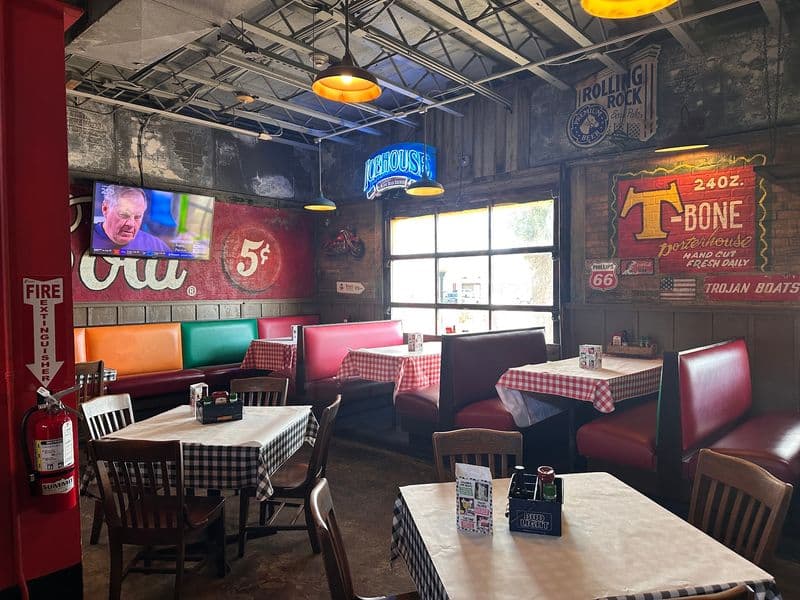
Minnesota's supper clubs represent a distinctly Midwestern dining tradition: vintage ambiance, classic hospitality, and nostalgic menus designed for families and large groups. Family Destinations Guide documents how these establishments function as cultural guardians, preserving regional identity against chain expansion and commercial redevelopment. Their continued appeal signals that Americans in rural and small-town markets value atmosphere and tradition over novelty.
Sentiment
Mostly PositiveNEGATIVENEUTRALPOSITIVE
Publishers
37
Articles
21
Reach
58
A
AnonymousAuthor