Iran-UAE Diplomatic Tensions
Iran Warns UAE That Hosting Israeli Prime Minister Netanyahu Threatens Regional Stability
Anonymous
Key Points
1
Iran’s Foreign Ministry separately condemned Netanyahu’s presence in the UAE, calling regional security “collective and indivisible” and warning that facilitating destabilizing actors could bring “greater division, insecurity, and instability in West Asia.”
2
Netanyahu’s Abu Dhabi trip was initially kept under wraps; he held closed-door consultations with UAE President Sheikh Mohamed bin Zayed for most of the day before returning to Tel Aviv.
3
The island dispute traces back to 1971: Iranian forces took control of Greater Tunb and Lesser Tunb and deployed to part of Abu Musa under an agreement with Sharjah’s ruler that left competing sovereignty claims in place.
Iran's Supreme National Security Council Secretary Mohsen Rezaei condemned Israeli Prime Minister Benjamin Netanyahu's secret visit to Abu Dhabi, warning that hosting him would not improve UAE security. Iran International reported that Rezaei said hosting Netanyahu—whom he called the "Butcher of Gaza"—would have no "favourable consequences," just as U.S. military bases in the region have failed to keep the UAE safe. The closed-door talks between Netanyahu and UAE President Sheikh Mohamed bin Zayed lasted several hours on September 27, 2026, before Netanyahu returned to Tel Aviv.
Iran's Foreign Ministry separately warned that allowing "destabilizing actors" into the UAE would bring "greater division, insecurity, and instability in West Asia." Amwaj.media noted the condemnation also targeted the unresolved 55-year dispute over three Gulf islands—Greater Tunb, Lesser Tunb, and Abu Musa—that Iran controls but the UAE claims as its own territory.
Netanyahu's Secret Meeting Sparks Regional Alarm
Netanyahu's visit to Abu Dhabi was initially kept secret. According to Times of Israel, his delegation included Mossad Chief David Barnea and top national security officials. The Israeli Prime Minister's office said the talks focused on "strengthening bilateral relations and addressing regional challenges." The meeting lasted roughly six hours at presidential facilities before Netanyahu flew back to Tel Aviv the same day.
The UAE confirmed the visit on September 28. Shafaq News reported that UAE Minister of State Khalifa Shaheen Almarar used the UN General Assembly to reassert Abu Dhabi's territorial claims over the three disputed islands, calling for resolution through direct negotiations or the International Court of Justice.
Iran Warns Against Israeli Influence in the Gulf
Rezaei's warning on X/Twitter directly compared hosting Netanyahu to hosting U.S. military bases. Xinhua reported his statement: "Just as hosting U.S. military bases has not brought you security, hosting the 'Butcher of Gaza' will also not have positive consequences." He urged the UAE to "stop starting wars and refrain from making baseless claims about the Iranian islands." The rhetoric signals Tehran's concern that Abu Dhabi is becoming a hub for Israeli military and intelligence operations in the Gulf.
Iran's Foreign Ministry framed regional security as "collective and indivisible," implying that any state's ties to Israel affect all neighbors. The Media Line reported the ministry warned that facilitating "destabilizing actors" would have "very dangerous consequences" across West Asia. Hardline outlets amplified the threat, with one IRGC-affiliated newspaper calling Rezaei's statement a "clear warning" that nations aligning with Israel face military costs.
A 55-Year Island Dispute Fuels Tensions
The three islands—Greater Tunb, Lesser Tunb, and Abu Musa—have been contested since November 1971. Shafaq News explained that Iranian forces took control of Greater Tunb and Lesser Tunb, while occupying part of Abu Musa under a revenue-sharing agreement with Sharjah's ruler. The accord left sovereignty claims unresolved, and Tehran has maintained absolute control ever since. The UAE views all three as occupied Emirati territory and has pursued legal remedies through the International Court of Justice.
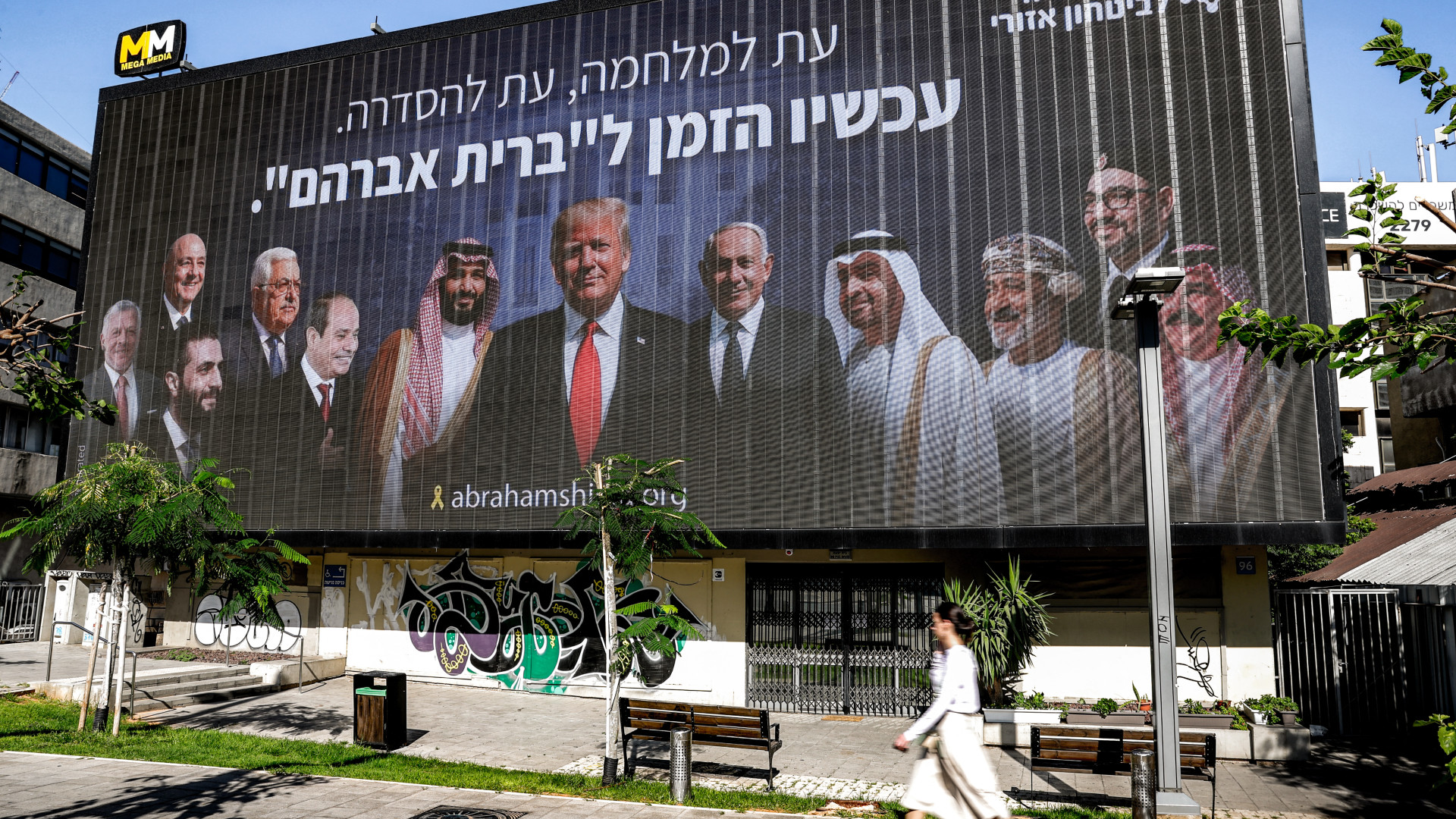
Rezaei's reference to "baseless claims about the Iranian islands" rejects any negotiation on the dispute. Iran's position treats the islands as Iranian soil, not a matter for arbitration or compromise. Amwaj.media noted that Netanyahu's visit to Abu Dhabi signals Israel's willingness to back the UAE diplomatically, raising Iranian fears that the Abraham Accords will extend to territorial disputes that have long divided Tehran and its Arab neighbors.
Arab Nations Distance Themselves From Expanded Consultations
Israeli media reported that diplomats from Saudi Arabia and Jordan attended expanded regional defense talks in Abu Dhabi alongside Netanyahu. The Media Line reported both nations quickly denied the claims. Saudi Arabia and Jordan issued public statements rejecting any participation, signaling discomfort with being linked to direct security coordination with Israel in the Gulf region.
The denials highlight divisions within the Arab world over how closely to align with Israel. While the UAE has pursued the Abraham Accords openly, other Arab states remain wary of the domestic and regional backlash. Amwaj.media analyzed that Tehran's warnings are designed to deter Arab nations from deepening security ties with Israel, casting such alignment as destabilizing rather than pragmatic.
Sentiment
Mostly NegativeNEGATIVENEUTRALPOSITIVE
Publishers
33
Articles
32
Reach
65
A
AnonymousAuthor


