Soybean Markets Rally
U.S. Soybean Production Forecast Rises Amid Hopes for Renewed Trade Talks
Anonymous
Key Points
1
U.S. soybean export inspections for the week totaled 759,200 metric tons, including 446,800 metric tons shipped to China; cumulative exports for the marketing year reached 36.85 million metric tons, 1.8% above the prior year.
2
The USDA reported that 58% of U.S. soybeans were rated good to excellent and 62% had shed leaves, with both crop-development measures ahead of their five-year averages.
3
Traders were specifically weighing the possibility that China could reduce its 10% import tariff on U.S. soybeans and extend recent state-led purchases, even as physical FOB soybean markets in India, Ukraine, China and the United States remained broadly range-bound.
4
The rally in soybean oil was supported by firm nearby crush margins and vegetable-oil demand; the market also showed mild backwardation into late 2027–2029, while soybean-meal futures were broadly flat to slightly higher.
5
Beyond soybeans, traders said any new Chinese agricultural-purchase agreements could extend to wheat, corn and sorghum because China already has a separate stated target for U.S. soybean purchases; attacks on Black Sea ports and vessels were an additional risk to grain flows.
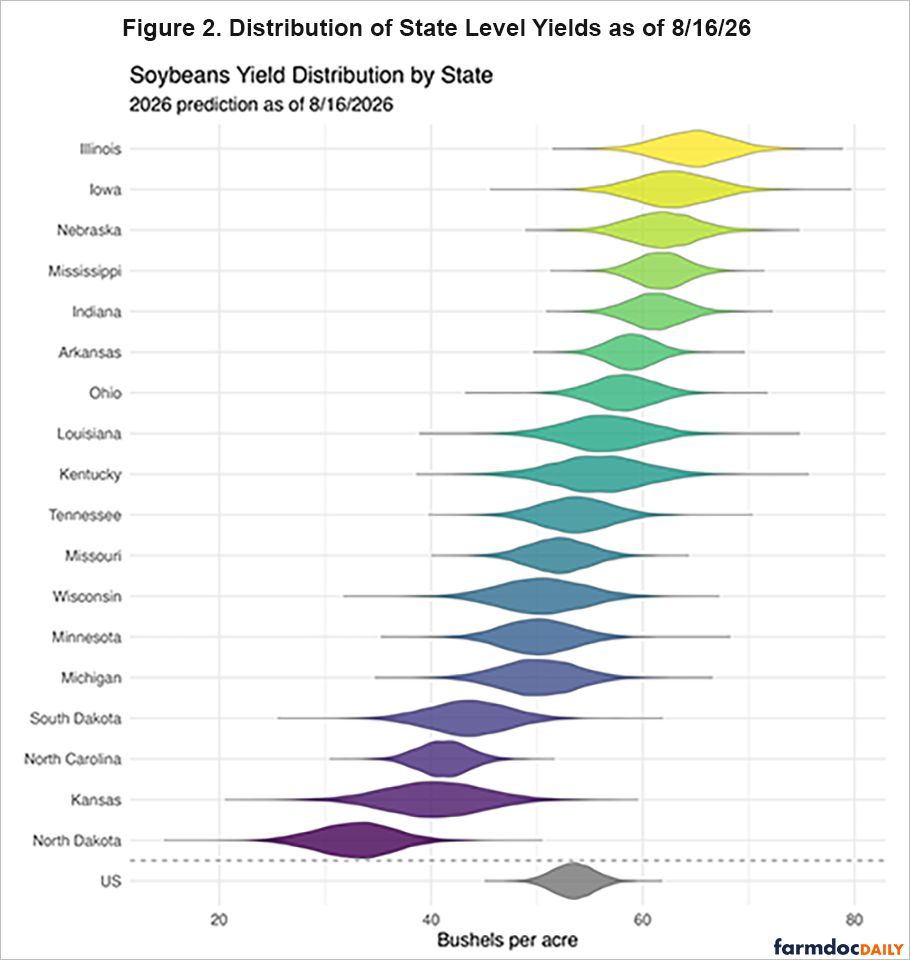
U.S. soybean production is now forecast 16 million bushels higher for the 2026/27 marketing year, as traders bet on renewed trade talks between President Trump and Chinese President Xi Jinping. USDA lifted its soybean yield and acreage estimates, while market analysts expect the average price to reach $12 per bushel on higher export demand and tighter ending stocks.
The rally reflects expectations of Chinese tariff relief on U.S. soybeans and continued state-led purchases rather than immediate supply shortages. Soybean export inspections hit 759,200 metric tons last week, with 446,800 metric tons bound for China, keeping season-to-date shipments 1.8% above prior-year levels.
China Trade Talk Optimism Lifts Grain Markets
Soybean futures climbed on speculation that China may cut its 10% import tariff on U.S. soybeans and boost state purchases. Traders noted that any new agricultural deal could also extend to wheat, corn and sorghum. Soybean oil rallied on firm crush margins and vegetable-oil demand, while soybean meal held steady to slightly higher.
Physical soybean markets in India, Ukraine, China and the U.S. remained range-bound, signaling that policy expectations—not immediate shortages—are driving the rally. The soybean-oil market showed mild backwardation stretching into late 2027–2029, a sign of patient buying by longer-term investors.
U.S. Crop Conditions Track Ahead of Schedule
U.S. soybeans posted strong crop ratings, with USDA reporting 58% rated good to excellent and 62% having shed leaves—both measures ahead of five-year averages. Just 12% of soybeans have been harvested so far, though weather delays could slow fieldwork in some regions.
The firm crop condition backdrop supports the upward revision to the 2026/27 forecast. Higher yields and acreage combine to push output well above last year's estimates, while exporters continue steady shipments to China and Mexico.
Export Volume Stays Strong Despite Rate Pressures
Season-to-date U.S. soybean exports reached 36.85 million metric tons, running 1.8% ahead of the prior year despite tariff uncertainties. China accounted for 446,800 of the 759,200 metric tons inspected last week, underscoring its critical role in U.S. soybean demand.
The steady export pace suggests confidence that trade will normalize. Market watchers say geopolitical risks to Black Sea grain flows add extra support for U.S. shipments, creating a dual tailwind for American soybean prices and the broader grain complex.
Sentiment
Mostly NegativeNEGATIVENEUTRALPOSITIVE
Publishers
14
Articles
64
Reach
78
Topics
A
AnonymousAuthor


