Trump-Xi Global Trade Summit
Trump-Xi Summit Set to Shape Global Trade Amid Tariff and Truce Uncertainty
Anonymous
Key Points
1
The Trump-Xi meeting follows an earlier summit in Beijing four months ago and comes after a trade confrontation in which both countries imposed or threatened tariffs exceeding 100%, raising concerns about global supply-chain disruptions.
2
UK Prime Minister Andy Burnham’s stated objectives for his meeting with President Donald Trump are to “Bond with Trump, make the case for Ukraine and avoid any drama.” Potentially contentious topics include artificial intelligence, British sanctions on Israeli settlements, social-media bans, the Falkland Islands, the Chagos Islands and Irish unity.
3
Speculative traders reduced their exposure to agricultural commodities in the latest week, although they still held net-long positions, according to the Commodity Futures Trading Commission’s Commitments of Traders report.
4
Indonesia’s central bank has raised its benchmark interest rate by a cumulative 100 basis points this year, including a 25-basis-point increase in April that brought the rate to 5.75%, as it sought to support the rupiah and contain inflationary pressures.
5
U.S. equity performance was uneven last week: the Nasdaq Composite gained 0.7%, while the S&P 500 fell 0.1% and the Dow Jones Industrial Average dropped 1.7%. The Federal Reserve raised the federal-funds rate by 25 basis points to a 3.75%-4% range.
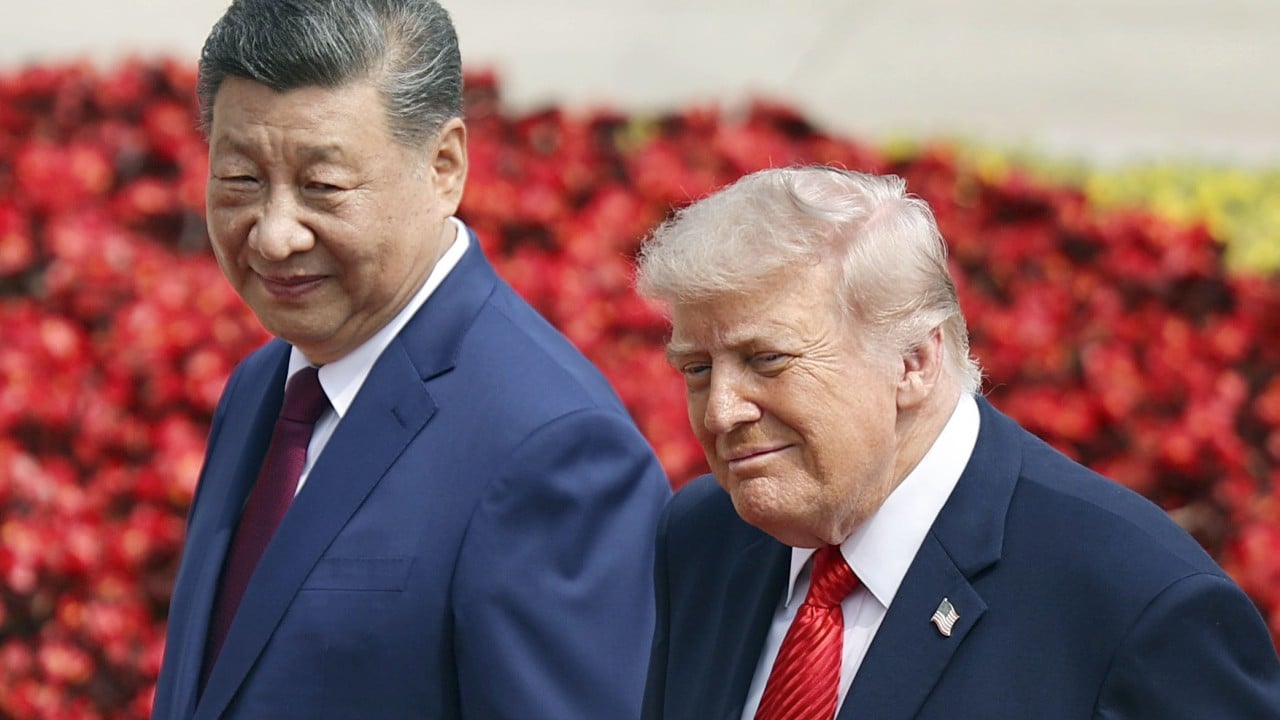
President Trump and Chinese President Xi Jinping are set to meet on September 24, marking their second summit in six months and a critical moment for global trade The Atlantic. The meeting comes as their current trade truce approaches expiration on November 10, with major disagreements over whether to extend it for six months or a year China National News. Tariffs, agricultural purchases, rare-earth mineral commitments, and technology policy will dominate discussions between the world's two largest economies.
The stakes are enormous. Both countries have previously threatened or imposed tariffs exceeding 100%, raising fears of global supply-chain disruptions News Bytes App. Agricultural markets are already volatile, with wheat, corn, and soybean futures climbing higher amid uncertainty over Black Sea shipping, Federal Reserve rate hikes, and weather risks in Brazil and Australia News Bytes App.
What Trump and Xi Need to Decide
The trade truce expires November 10, and both sides must decide whether to extend it for six months or a year News Bytes App. The US wants China to buy more American farm products and stop hoarding critical minerals like rare earths. China accuses the US of using technology restrictions as a weapon News Bytes App.
OpenAI has urged both leaders to forge an emergency agreement on artificial intelligence, proposing a direct communication channel to manage AI risks Dagens. This reflects growing concern that the tech rivalry could spiral into a broader conflict that harms innovation in both countries.
Why China's Business Leaders Are Staying Home
Notably, China's top AI pioneers and business leaders from companies like BYD, Xiaomi, and others are expected to skip the summit entirely SCMP. This unusual absence signals Beijing's reluctance to project business-as-usual optimism about US-China relations. It suggests deep uncertainty about the meeting's outcome.
US Markets React to Rate Hike
The Federal Reserve raised interest rates by 25 basis points to a 3.75%-4% range last week, sending mixed signals through US equities News Bytes App. The Nasdaq Composite gained 0.7%, but the S&P 500 fell 0.1% and the Dow Jones Industrial Average dropped 1.7%. Higher rates typically pressure stocks but can strengthen currencies.
Agricultural Commodities Face Multiple Pressures
Wheat, corn, and soybean futures have climbed higher despite speculative traders reducing exposure to farm commodities, according to the Commodity Futures Trading Commission News Bytes App. Traders still hold net-long positions, meaning they bet on further price increases. Weather threats from El Niño in Brazil and dryness in Australia add to the uncertainty News Bytes App.
Sentiment
Mostly NegativeNEGATIVENEUTRALPOSITIVE
Publishers
19
Articles
15
Reach
34
A
AnonymousAuthor


