Libya Suspends Operations at Three Oil Fields
Libya Suspends Operations at Three Oil Fields
Anonymous
Key Points
1
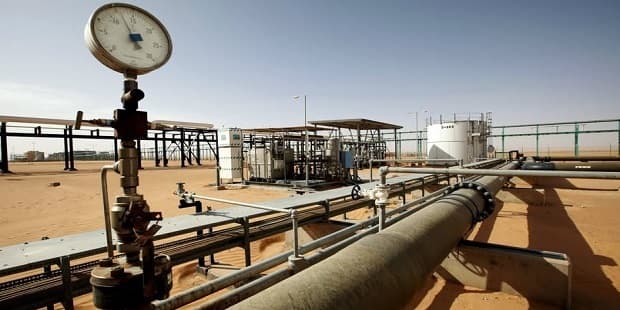
The Hamada-Zawiya pipeline is described as a vital 387-kilometer, 18-inch pipeline transporting crude to storage and refining facilities.
2
The Petroleum Facilities Guard reportedly gave authorities one week to meet its demands before carrying out threatened shutdowns at the Wafa, Al-Khamsa and El Feel fields.
3
The dispute had already disrupted the Zawiya refinery, where guards blocked the main entrance on Sunday; the refining company said operations continued temporarily through a secondary entrance.
Libya's National Oil Corporation halted operations at two major oil fields after the Petroleum Facilities Guard shut a valve on the Hamada-Zawiya pipeline, a critical 387-kilometer line that moves crude to storage and refineries. The Media Line reported the guard is demanding control transfer from the Defense Ministry to the NOC and has given authorities one week to comply before shutting down three additional fields.
The NOC warned it could declare force majeure — a legal claim that removes responsibility for unmet obligations due to unforeseeable circumstances — if the shutdown spreads. Zero Hedge noted this represents the latest in a pattern of politically driven disruptions that threaten Libya's oil-dependent economy, which relies heavily on crude exports for government revenue.
A Security Force Demands Control Shift
The Petroleum Facilities Guard — the military unit protecting Libya's oil infrastructure — closed a valve on the Hamada-Zawiya pipeline on Sunday and shut the Hamada and Tahara fields. The Media Line reported the guard's core demand: transfer administrative and financial oversight from Libya's Defense Ministry directly to the National Oil Corporation. The guard provided authorities exactly one week to meet this requirement.
This is not an idle threat. The guard has explicitly threatened to shut down three more major fields — Wafa, Al-Khamsa, and El Feel — if demands go unmet. Analysts view this as leverage in a larger power struggle over who controls Libya's most valuable security apparatus.
Zawiya Refinery Already Feels the Pressure
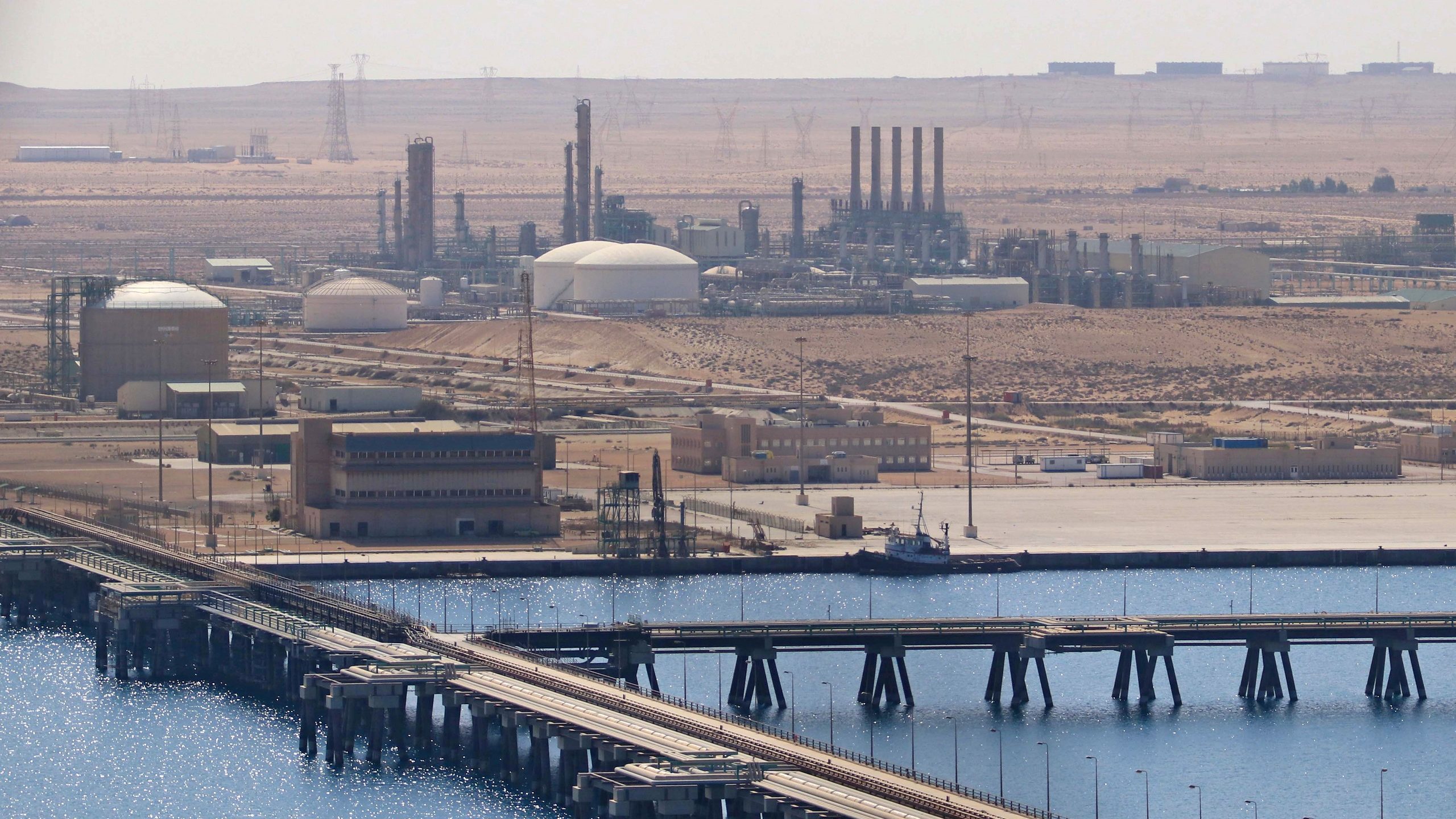
The disruption has already spread beyond the two shuttered fields. Middle East Online reported that on Sunday, Petroleum Facilities Guard members blocked the main entrance to the Zawiya refinery, one of Libya's two major refineries. The refining company managed to continue operations temporarily using a secondary entrance, but the blockade signals the guard's willingness to target multiple sectors simultaneously.
Force Majeure Could Suspend International Commitments
Alto reported the NOC is preparing to declare force majeure if the situation escalates or spreads to more fields. This legal maneuver would allow Libya to temporarily suspend contractual obligations to international buyers and trading partners without penalty. It's a drastic step reserved for genuine crises.
Libya's oil sector already suffers from frequent shutdowns — some due to political disputes like this one, others from technical failures. Each disruption cuts revenue the government needs for basic services and stability. A widespread shutdown could trigger a genuine economic crisis across the country.
A Seven-Day Window for Resolution
Authorities face a ticking clock. The one-week deadline means decision-makers must either negotiate with the Petroleum Facilities Guard or prepare for cascading production cuts across Libya's largest fields. The guard controls the physical infrastructure protecting these sites, giving it enormous leverage in any negotiation. The Media Line noted that similar disputes have repeatedly crippled Libya's oil output, making this a recurring vulnerability.
Sentiment
Mostly NegativeNEGATIVENEUTRALPOSITIVE
Publishers
17
Articles
34
Reach
51
A
AnonymousAuthor