Aramco Jazan Refinery Attack
Saudi Aramco Shuts Jazan Refinery After Houthi Attack Damages Key Facilities
Anonymous
Key Points
1
Damage targeted the Integrated Gasification Combined Cycle (IGCC) complex and the tank farm at the Jazan refinery, per an IIR note cited by Reuters.
2
The Jazan complex includes power-generation and gasification facilities that serve the Jazan Economic City, indicating broader regional energy-security implications beyond refining.
3
The Houthis claimed the operation targeted Aramco facilities in Jazan and the Red Sea export hub of Yanbu with missiles and drones, signaling a cross-border dimension to the attack.
4
Satellite imagery and aerial observations captured smoke over Jazan province in the wake of the attack, underscoring visible damage to the site.
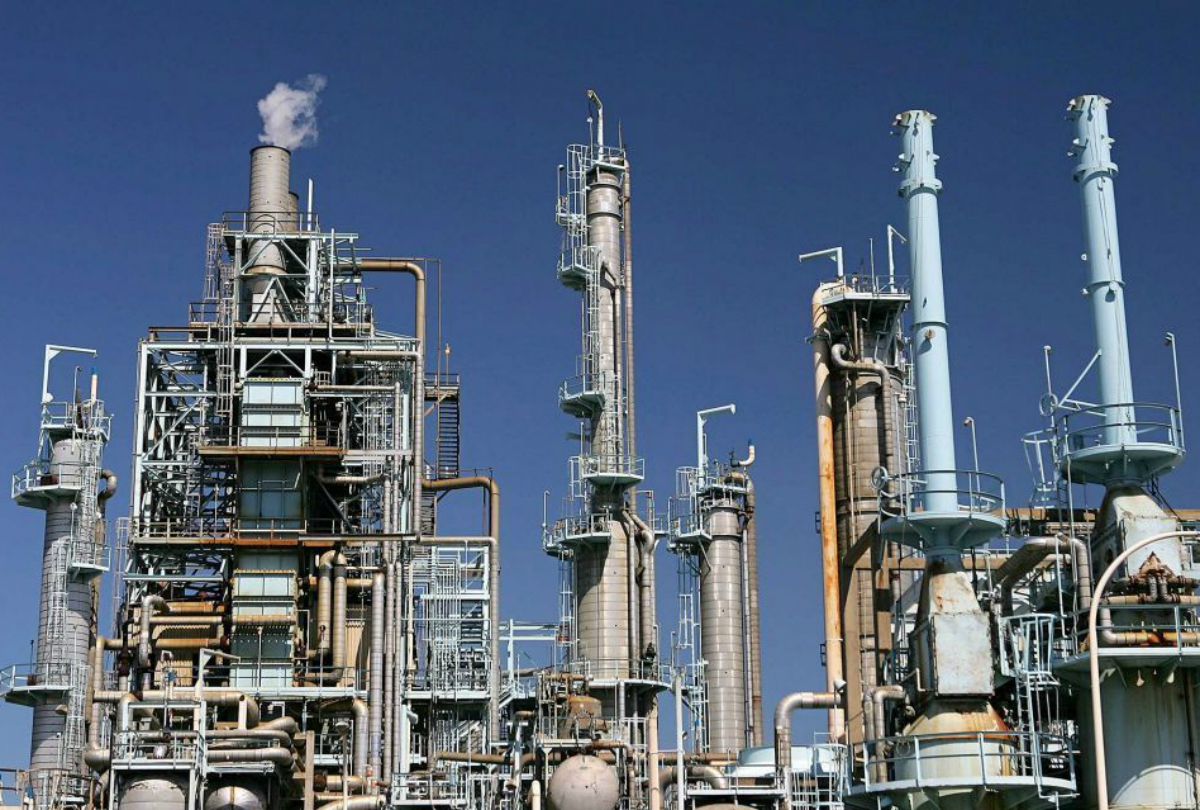
Saudi Aramco shut its 400,000-barrel-per-day Jazan refinery on July 27 after a Houthi missile and drone attack damaged key infrastructure at the site, according to OilPrice.com and NDTV Profit. The facility — one of the largest refinery complexes in the Middle East — went fully offline following the strike, with a restart now targeted for August 15.
The Houthis claimed the attack targeted Aramco facilities in both Jazan and Yanbu, the Red Sea export hub further north, using a combination of missiles and drones. Smoke was visible over Jazan province in satellite and aerial imagery taken after the strike, per Eritv News.
Houthis Hit the Heart of Jazan's Energy Complex
The attack struck two critical parts of the Jazan facility. According to an IIR industry note cited by Energy Now, the damage hit the refinery's Integrated Gasification Combined Cycle complex — known as the IGCC — and the tank farm. The IGCC is a power-generation system that turns heavy fuel into electricity and steam to run the refinery itself.
Without the IGCC running, the entire refinery cannot operate. The tank farm damage means stored fuel and feedstock may have been compromised. Together, the two strikes effectively forced a full shutdown of a plant that processes heavy and medium crude oil into fuels and other products every single day.
Jazan Powers More Than Just Fuel Production
The Jazan complex is not just a refinery. It also supplies power and processed gas to the broader Jazan Economic City — a major industrial zone on Saudi Arabia's southwest coast. That means the attack carries energy-security implications that go well beyond oil refining, according to OilPrice.com.
A full outage at a 400,000-bpd facility near the Red Sea raises supply concerns for the region. Analysts note that lost output may need to be replaced through product imports or redirected shipments. How quickly that gap is filled depends on Saudi inventory levels and how fast repairs can be completed before the August 15 restart target.
Cross-Border Strike Pattern Targets Saudi Infrastructure
The Jazan attack is part of a wider Houthi campaign against Saudi and Red Sea energy infrastructure. The group claimed simultaneous strikes on Yanbu, a major oil-export terminal roughly 900 miles north of Jazan. The dual-target operation signals the Houthis are aiming at Saudi Arabia's entire western energy corridor, per Head Topics.
Jazan sits close to the Yemen border, making it especially vulnerable to cross-border strikes. This is not the first time Houthi attacks have hit Saudi oil infrastructure — the 2019 Abqaiq strike briefly cut the kingdom's output in half. But the Jazan shutdown marks one of the most significant downstream hits in recent years.
August 15 Restart Hangs on Repair Progress
Aramco has not publicly detailed the full scope of the damage or confirmed the restart timeline in all reports. NDTV Profit noted the August 15 target date, but cautioned that repairs must go smoothly for that deadline to hold. Aramco did not immediately comment on the situation in several reports.
Every day offline at a 400,000-bpd plant represents a significant loss of refined product. If repairs run long, Saudi Arabia may need to draw on strategic stocks or source diesel and other fuels from outside the region. The broader market impact will become clearer as repair timelines and inventory data emerge in the coming days.
Sentiment
Mostly NegativeNEGATIVENEUTRALPOSITIVE
Publishers
13
Articles
25
Reach
38
A
AnonymousAuthor


