Saudi oil defense
Saudi Arabia intercepts drones from Iraq targeting oil facilities, blames Iran-backed militias
Anonymous
Key Points
1
Saudi authorities have not publicly named a specific Iranian-backed militia behind the drone attack, even as they accuse such groups of responsibility.
2
The defence ministry quoted Major General Turki Al-Maliki saying air defences intercepted and destroyed a number of drones launched from Iraqi territory by Iranian-backed militias, affirming Saudi Arabia's right to defend itself and to respond at the appropriate time and place.
3
Analysts frame the incident within the broader Saudi–Iran regional rivalry and the Yemen war, noting that Iran-backed or linked groups have carried out similar cross-border attacks as part of an escalating pattern.
4
Saudi Arabia has heavily invested in strengthening its air-defense and interception capabilities after prior attacks, aiming to better protect critical energy infrastructure.
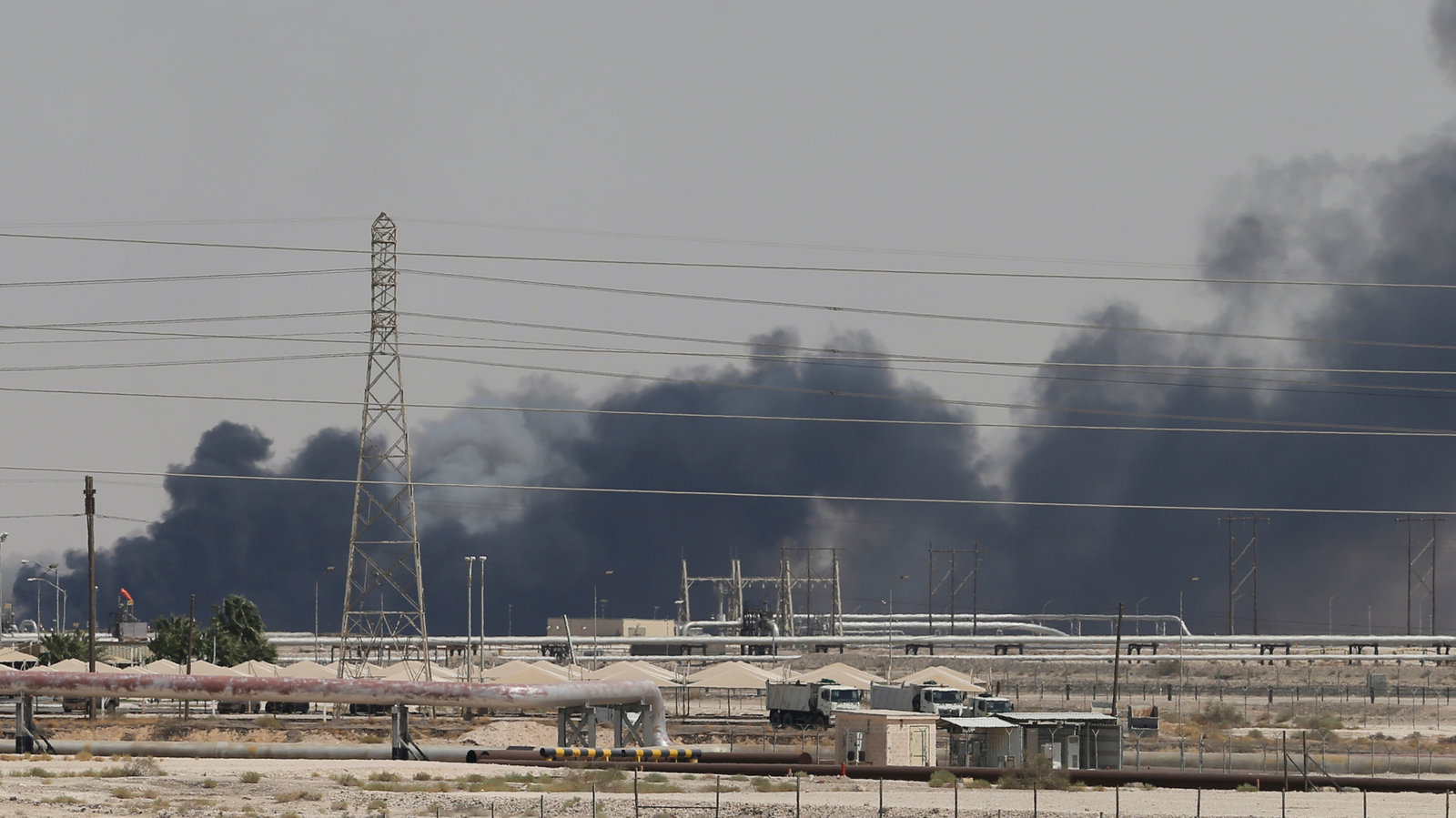
Saudi Arabia shot down multiple drones launched from Iraqi territory targeting oil facilities in the Eastern Region and the capital Riyadh, the Saudi Defense Ministry announced. No casualties or damage were reported, according to HJ News.
Major General Turki Al-Maliki, the ministry's spokesman, said air defenses "intercepted and destroyed" the drones, which he blamed on Iranian-backed militias. He added that Saudi Arabia reserves the right "to defend itself and to respond at the appropriate time and place," Local 10 reported.
Drones Targeted Oil Facilities in Two Regions
The drones flew from Iraqi territory toward two key Saudi areas. One was the Eastern Region, home to the kingdom's most critical oil infrastructure. The other was Riyadh, the capital. Saudi air defenses engaged and destroyed the drones before they could strike, HJ News reported.
Saudi authorities have not named a specific militia behind the attack. They only said Iranian-backed groups were responsible. The attack follows a pattern of cross-border strikes on Saudi energy targets that has persisted for several years, according to Crypto Briefing.
Iran-Saudi Rivalry Drives Escalating Cross-Border Strikes
Analysts place the attack inside the wider Saudi–Iran rivalry. The two countries back opposing sides in Yemen's long-running civil war. Iran-linked groups have used that conflict as cover to build up drone and missile capabilities aimed at Saudi targets, Crypto Briefing noted.
Iraq has increasingly become a launch pad for such strikes. Iranian-backed militias operate openly in parts of the country. Saudi Arabia has repeatedly called on Baghdad to do more to stop attacks originating from its soil, KDH News reported.
Saudi Air Defenses Have Grown Stronger After Prior Hits
Saudi Arabia has poured money into air defense upgrades after earlier, more damaging attacks. The most notable was the September 2019 strike on the Abqaiq oil processing plant, which briefly cut the kingdom's oil output by about 5.7 million barrels per day — nearly half its total capacity.
Since then, Saudi Arabia has expanded its interception systems and improved radar coverage over critical energy sites. Saturday's successful intercept shows those investments are working, though analysts warn the threat has not gone away, according to Crypto Briefing.
Oil Markets Watch as Regional Tensions Stay Elevated
Any strike on Saudi oil infrastructure can shake global energy markets. Saudi Arabia is one of the world's top crude oil exporters. Even a failed attack can push oil prices higher by reminding traders how fragile Gulf supply chains can be.
This latest incident keeps regional alert levels high. Analysts say repeated drone attacks — even ones that miss — signal that Iran-backed groups remain willing to test Saudi defenses. That sustained pressure could add a risk premium to oil prices in the weeks ahead, HJ News reported.
Sentiment
Mostly NegativeNEGATIVENEUTRALPOSITIVE
Publishers
77
Articles
147
Reach
224
A
AnonymousAuthor


