GCC Tourism Contributes $254 Billion, Leaders Push Resilience
GCC Tourism Contributes $254 Billion, Leaders Push Resilience
Anonymous
Key Points
1
The GCC recorded 20.1 million intra-regional tourist trips in 2025, a 3.6 percent annual increase, highlighting the importance of travel between member states in addition to international arrivals.
2
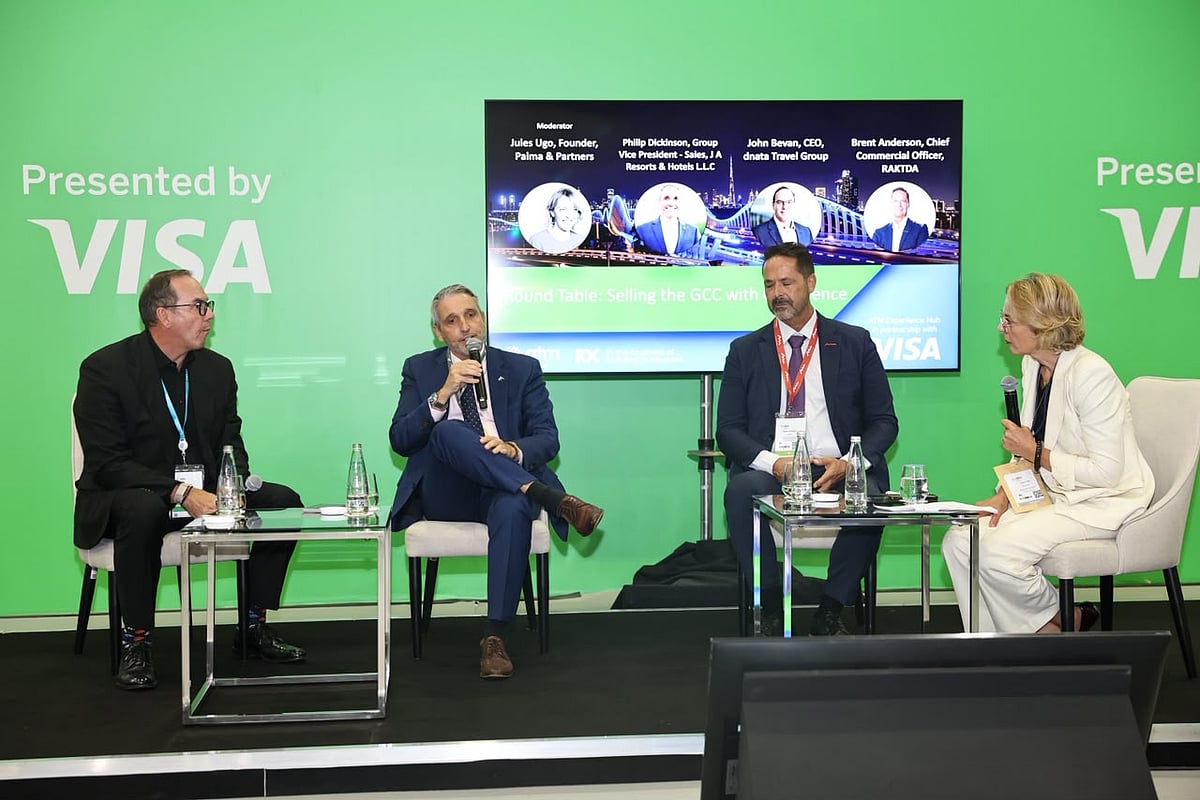
ATM 2026, the event’s 33rd edition, is being held at Dubai World Trade Centre from September 14 to 17 under the theme “Travel 2040: Driving New Frontiers Through Innovation and Technology,” with a focus on artificial intelligence, digital transformation, smart mobility and changing traveller expectations.
3
Tourism’s GCC-wide impact extends across aviation, hotels, transportation, retail, entertainment, technology and infrastructure, illustrating the sector’s role in broader economic diversification beyond its direct contribution to GDP.
4
The ministerial debate included European Commissioner for Sustainable Transport and Tourism Apostolos Tzitzikostas and Uzbekistan Tourism Committee Chairman Abdulaziz Akkulov, alongside UAE, Bahrain and UN Tourism representatives, giving the discussions a wider international and cross-regional scope.
5
Bahrain’s 420-square-metre pavilion included entities such as the Bahrain Tourism and Exhibitions Authority, Gulf Air, Exhibition World Bahrain, luxury hotels, resorts and destination-management companies, providing a platform to showcase specific tourism assets and projects.
Tourism contributed $254 billion to Gulf Cooperation Council economies in 2025, or 11.4% of combined regional GDP, as the bloc welcomed 75.7 million inbound visitors and recorded $131 billion in direct tourism spending Aviation World. At the Arabian Travel Market 2026 in Dubai this week, regional leaders and international policymakers emphasized crisis preparation, information-sharing, and multilateral cooperation as keys to weathering future disruptions.
UAE Minister of Economy and Tourism Abdulla bin Touq Al Marri credited the country's recent stability to "tourism foundations built over 50 years," while UN Tourism Secretary-General Shaikha Al Nuwais urged destinations to "build relationships early, share information and build trust" before crises strike Travel and Tour World.
Intra-Regional Travel Bolsters GCC Stability
The GCC recorded 20.1 million tourist trips between member states in 2025, up 3.6% year-over-year Aviation World. This internal travel network proved crucial. When external shocks hit, regional visitors kept hotels full and airports busy, cushioning the broader economic impact. The five decades of infrastructure investment—major airlines like Emirates and Gulf Air, luxury hotels, convention centers—created a safety net that external markets alone could not provide.
Leaders Call for Crisis Readiness Before Disaster Strikes
UN Tourism Secretary-General Shaikha Al Nuwais told delegates: "The countries that handle crises best are the ones that prepare before they happen." Travel and Tour World She emphasized that partnerships and trust must be established in advance, not improvised during emergencies. Apostolos Tzitzikostas, European Commissioner for Sustainable Transport and Tourism, and Abdulaziz Akkulov, chairman of Uzbekistan's tourism committee, joined regional ministers in calling for coordinated multilateral frameworks.
Bahrain Showcases Tourism Assets to Global Buyers
Bahrain deployed a 420-square-meter pavilion at ATM 2026 featuring 28 public and private entities, including the Bahrain Tourism Authority, Gulf Air, Exhibition World Bahrain, luxury hotels, and resorts Travel and Tour World. The kingdom used the platform to pitch sustainable tourism projects and infrastructure investment opportunities to buyers from 115 countries attending the event.
Tourism Fuels Broader Economic Diversification Across the Region
Tourism's $254 billion impact ripples across aviation, hotels, retail, entertainment, technology, and infrastructure—making it far more than a single-sector contributor. The sector now anchors Gulf efforts to reduce oil dependence and build long-term growth engines. Aviation World ATM 2026's focus on artificial intelligence, digital transformation, and smart mobility signals the sector's central role in the region's technology adoption by 2040.
Sentiment
Mostly PositiveNEGATIVENEUTRALPOSITIVE
Publishers
29
Articles
13
Reach
42
A
AnonymousAuthor


