GCC Health Cooperation
GCC Health Ministers Meet in Bahrain to Strengthen Regional Health Security
Anonymous
Key Points
1
Qatar participated in both the 89th meeting of the Gulf Health Council and the 12th meeting of the GCC Health Ministers’ Committee, with its delegation led by Public Health Minister Mansoor bin Ebrahim Al Mahmoud.
2
Kuwait’s Health Minister Dr. Ahmad Al-Awadhi took part in the Manama meeting alongside the health ministers of the other GCC states.
3
Bahrain’s Health Minister Jalila bint Al-Sayed Jawad Hassan condemned what she called “heinous Iranian attacks” against Bahrain, other GCC states and Jordan, saying they violated international law, the UN Charter and UN Security Council Resolution 2817 and affected lives, infrastructure, transportation and supply chains.
4
The health ministers’ committee also followed up on implementation of decisions from its 11th meeting, while the Gulf Health Council reviewed its planned 2027 budget and initiatives.
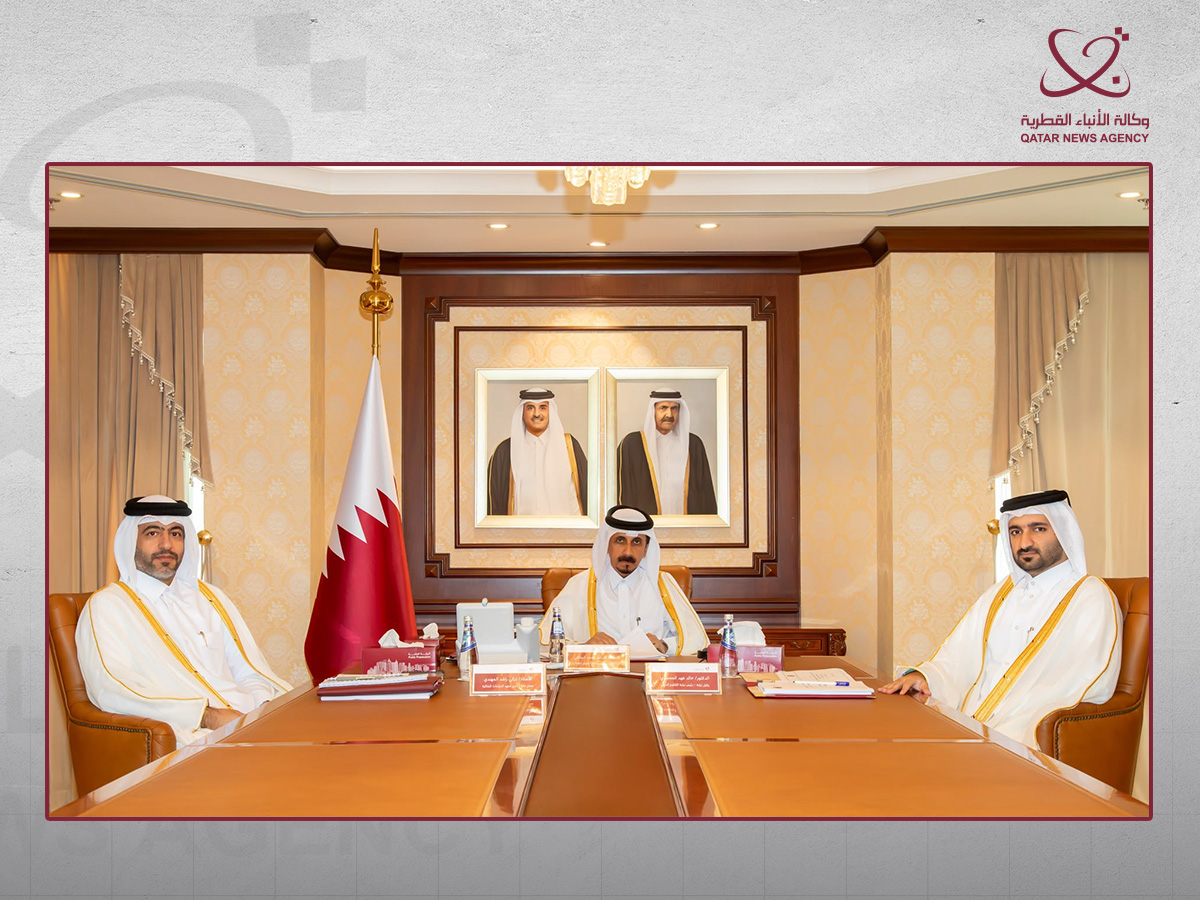
Qatar joined health officials from across the Gulf Cooperation Council in Bahrain this week to strengthen regional coordination on medical supplies, disease prevention, and emergency preparedness. Qatar News Agency reported that Public Health Minister Mansoor bin Ebrahim Al Mahmoud led Qatar's delegation to the 89th meeting of the Gulf Health Council and the 12th meeting of the GCC Health Ministers' Committee.
The discussions highlighted growing concerns about supply chain disruptions. Qatar News Agency noted that Bahrain's Health Minister Jalila bint Al-Sayed Jawad Hassan warned that regional security tensions and threats to maritime navigation could threaten medical supplies and health services across the Gulf, making joint planning essential.
Ministers Focus on Strategic Medical Stockpiles
Health ministers from all six GCC states reviewed plans for maintaining strategic reserves of medicines, food, and other essential supplies. Qatar News Agency reported that officials also discussed plans for a Gulf Centre for Food Risk Assessment and reviewed a new 2027 budget for regional health initiatives.
Drug Trafficking and Expatriate Worker Health
The committee adopted a regional strategy to combat drug trafficking and reviewed procedures for expatriate worker health examinations. Qatar News Agency noted that these efforts aim to protect public health across the Gulf's large migrant workforce and address transnational security threats.
Security Tensions Disrupt Gulf Supply Chains
Bahrain's health minister pointed to recent regional conflicts as a major risk. Qatar News Agency reported that Hassan condemned what she called "heinous Iranian attacks" against GCC states and Jordan, saying they violated international law and threatened transportation routes critical to medical supply delivery.
She emphasized that disrupted supply chains and damaged infrastructure could prevent hospitals from receiving vital medicines and equipment. The meeting underscored why Gulf nations must share resources and coordinate emergency response plans, officials said.
Multi-Year Action Plan Guides Regional Health Goals
Ministers reviewed the Gulf Health Council's strategic action plan for 2026 through 2030, which sets priorities for the next five years. Qatar News Agency reported that the committee followed up on implementation of decisions from its previous meeting, tracking progress on coordinated health initiatives across the region.
Sentiment
Mostly PositiveNEGATIVENEUTRALPOSITIVE
Publishers
14
Articles
7
Reach
21
A
AnonymousAuthor