Myanmar's Tourism Bet
Myanmar Government Leverages Ancient Sites to Double Post-Coup Tourism
Anonymous
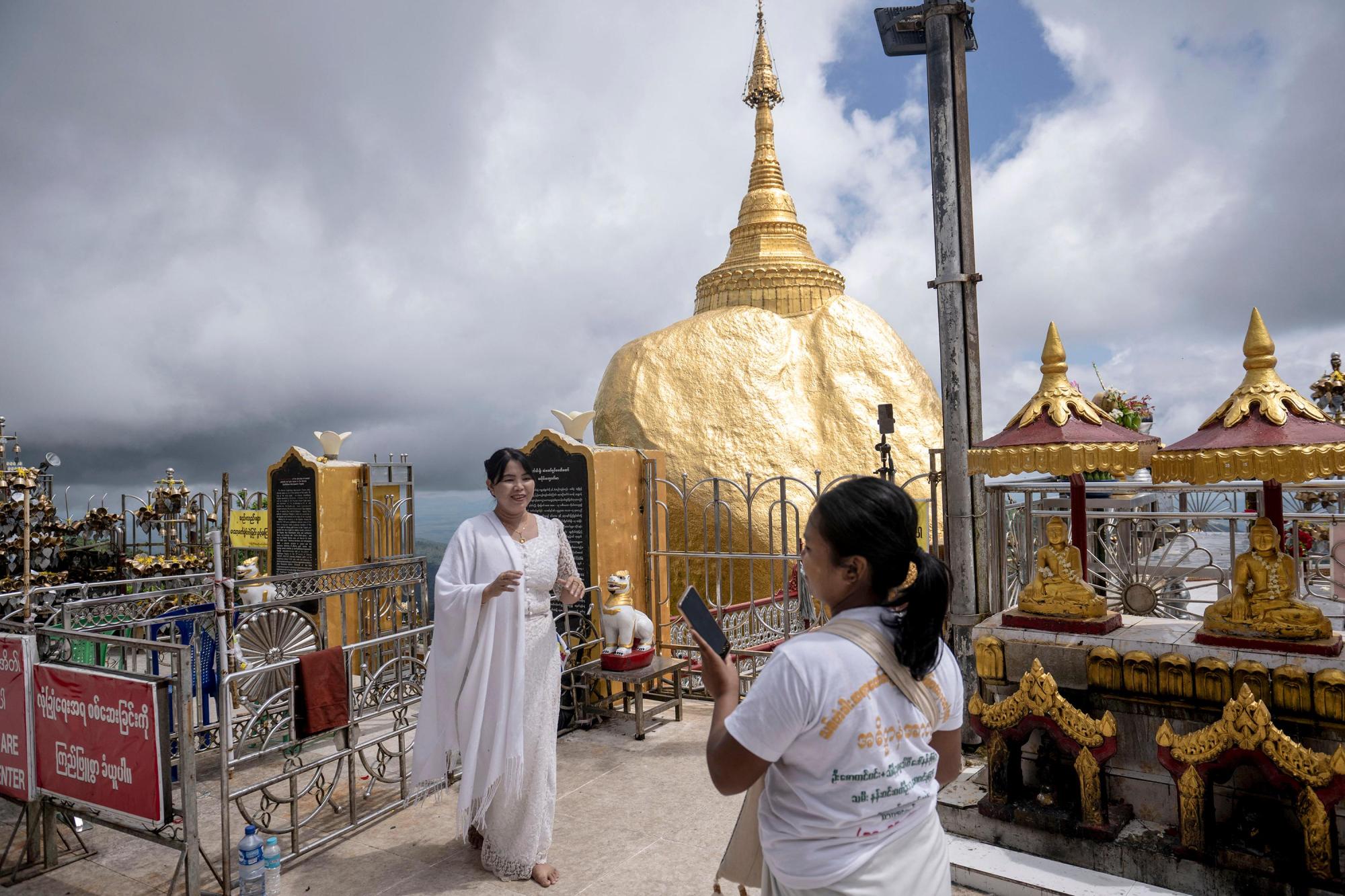
Myanmar's military-backed government wants to double foreign tourist arrivals to 1.8 million this year, betting that ancient temples and Buddhist shrines can signal an economic comeback after years of chaos. Morning Journal reports the push targets visitors from China and Thailand as the most likely source of new arrivals.
The drive is seen as an early test of whether the junta can convince travelers and investors that parts of the country are safe and open for business. The tourism industry collapsed after the 2021 military coup sparked a civil war and left Myanmar internationally isolated.
From Coup to Crisis: How Tourism Collapsed
Before the February 2021 coup, Myanmar was slowly building a tourist economy. The military takeover changed everything. Armed conflict spread across the country. Western governments issued travel warnings. International airlines cut routes. Foreign visitor numbers crashed and have stayed low ever since.
The Times-Tribune reports that the government now hopes tourism will become "one of the first visible signs of an economic recovery" after a planned national election. Reaching 1.8 million arrivals would mark a dramatic turnaround from recent years, when visitor numbers were a fraction of pre-coup levels.
China and Thailand Lead the Targeted Visitor Push
Myanmar is zeroing in on its two closest neighbors. Chinese and Thai tourists are expected to be the biggest drivers of any growth. Both countries share borders with Myanmar and have large Buddhist populations drawn to pilgrimage sites like the Shwedagon Pagoda in Yangon and the ancient temples of Bagan.
The government has expanded its visa-on-arrival program to include travelers from China, India, Japan, and South Korea. Citizens of Russia and most Southeast Asian nations already enjoy visa-free entry. Daily Press notes that further visa easing will depend on how strong demand proves to be in each individual market.
Ancient Sites Carry the Weight of the Recovery Plan
Myanmar's biggest tourism draw is its religious and archaeological heritage. Bagan alone contains more than 3,500 ancient temples and pagodas spread across a vast plain. The Shwedagon Pagoda in Yangon is one of Buddhism's holiest sites. These landmarks attract Buddhist pilgrims from across Asia, giving Myanmar a niche that few countries can match.
The strategy leans heavily on regional visitors rather than Western tourists, who are unlikely to return while conflict continues and human rights concerns remain. By focusing on China and Thailand, the junta is working with the travelers most willing to visit despite the political situation.
A Long Road Back With No Easy Shortcuts
Reaching 1.8 million visitors would require a near-doubling of arrivals in a single year. That is an ambitious goal for a country still dealing with active armed conflict in many regions. Safety concerns, poor infrastructure, and limited international flights all remain serious obstacles.
The Times-Tribune frames the tourism push as more than a business goal — it is a political signal. If the junta can show economic activity resuming, it strengthens its case for legitimacy ahead of any elections. Whether tourists actually come in those numbers will be a clear, public verdict on that argument.
Sentiment
NeutralNEGATIVENEUTRALPOSITIVE
Publishers
6
Articles
5
Reach
6
Topics
A
AnonymousAuthor


