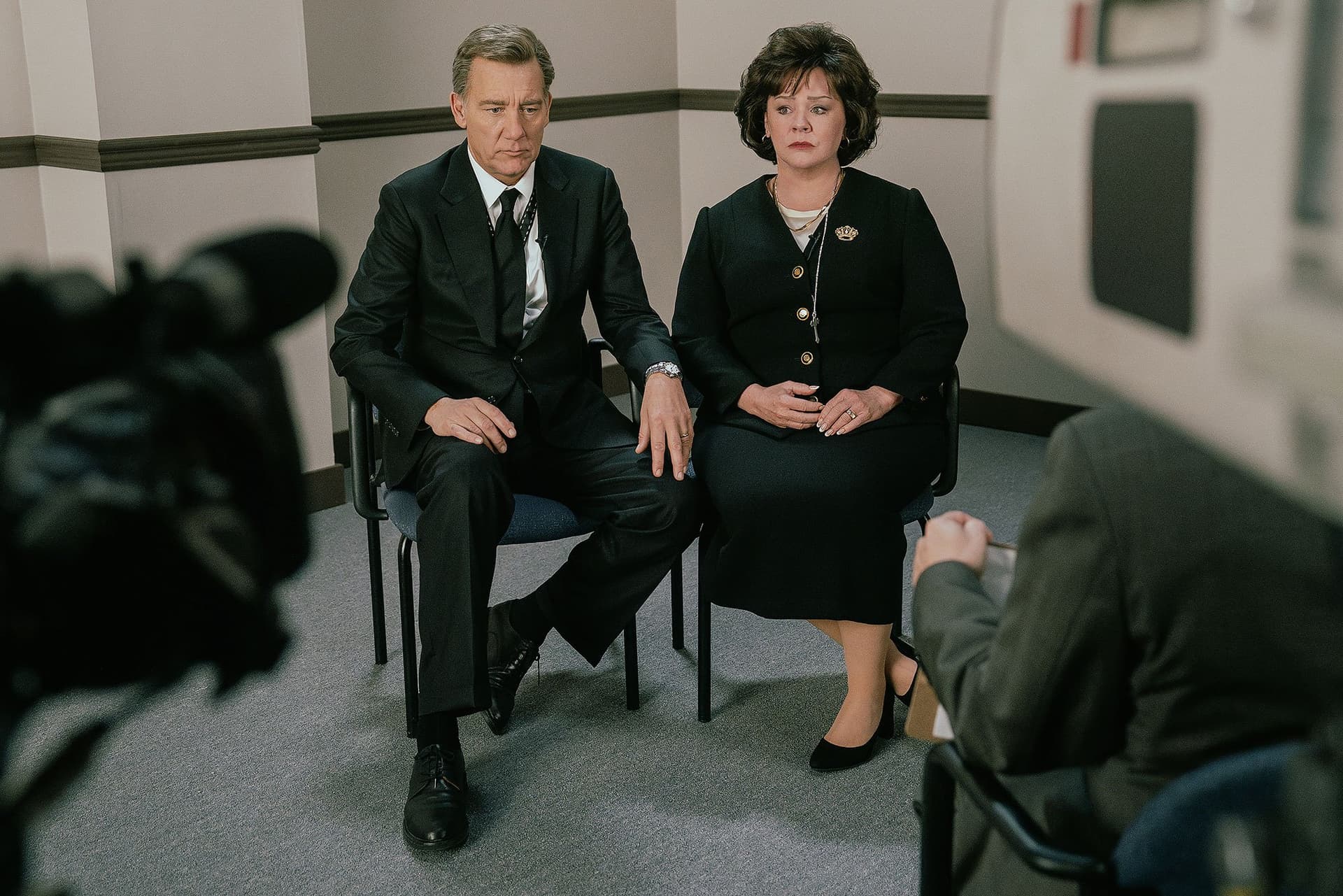
Netflix’s ‘Monster’ Reexamines Lizzie Borden’s Alleged Loves
Netflix’s ‘Monster’ Reexamines Lizzie Borden’s Alleged Loves
Anonymous
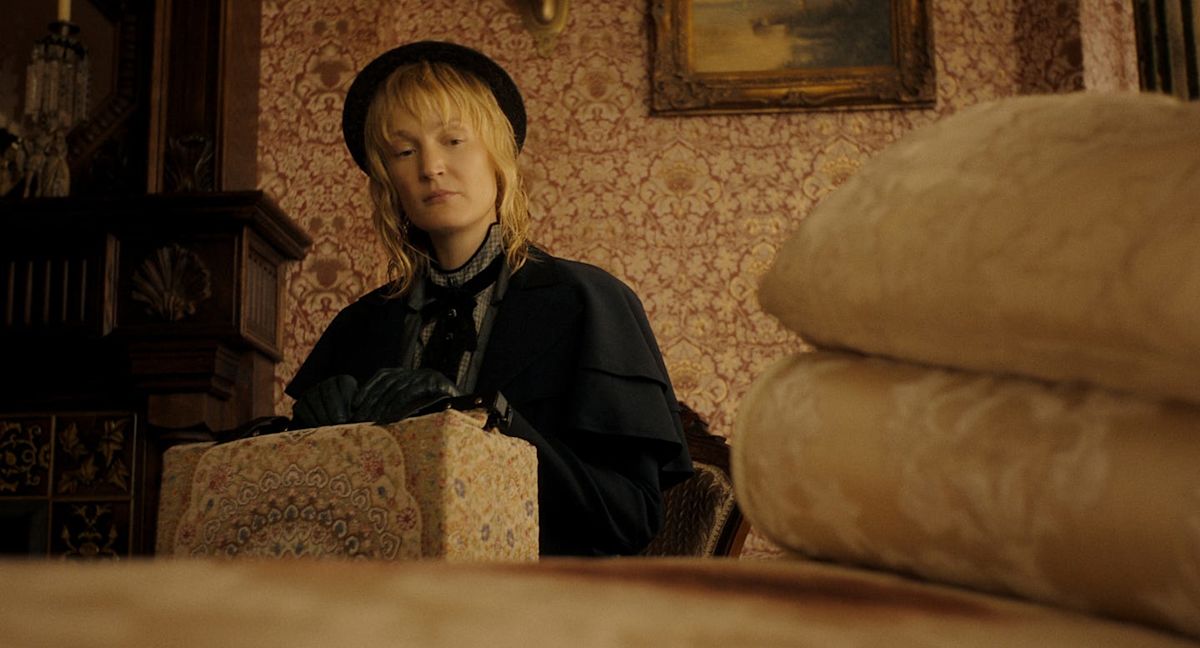
Key Points
1
The murders were exceptionally violent: Abby Borden suffered 18 or 19 blows, while Andrew Borden was struck 10 or 11 times with what investigators believed was a hatchet. Lizzie reportedly had no blood on her when police arrived.
2
The series introduces John Morse, Lizzie’s knife-obsessed uncle, as an overlooked murder suspect—an invented or reinterpreted figure played by Joey Pollari.
3
The season is Monster’s first female-centered installment, and its creators and cast describe the production as intentionally closer to “a painting than a documentary” because the 1890s record contains limited confirmed information.
4
Nance O’Neil, born Gertrude Lamson, pursued acting despite her father’s opposition, secured an early role at San Francisco’s Alcazar Theatre after crashing a rehearsal, and later received strong reviews for her 1904 Boston debut.
5
The Bridget Sullivan romance storyline was popularized particularly by Evan Hunter’s 1984 novel Lizzie and later by the 2018 film Lizzie; Hunter even speculated that Abby discovered the relationship and that the alleged confrontation helped trigger the murders.
Netflix's Monster dramatizes the 1892 Lizzie Borden murders with invented romantic storylines that historians say lack evidence. The fourth season portrays Borden as a lover of the family maid, Bridget Sullivan, though Consequence notes the series takes creative liberties far beyond the historical record. Borden was acquitted of killing her father and stepmother—struck 10-11 and 18-19 times respectively—but the show reimagines her life with relationships that modern researchers cannot confirm.
A Brutal 1892 Murder That Shocked America
On August 4, 1892, Andrew Borden and his wife Abby were killed in their Fall River, Massachusetts home in a violent frenzy. According to Architectural Digest, Andrew was struck 10 or 11 times with what investigators believed was a hatchet, while Abby suffered 18 or 19 blows. Police found no blood on Lizzie when they arrived, yet she was arrested and tried for the murders. She was ultimately acquitted, a verdict that remains controversial more than 130 years later.
Monster Invents a Love Story With No Historical Proof
The series centers on a romantic relationship between Borden and the family maid, Bridget Sullivan. No historical evidence supports this storyline. Consequence points out that the love plot largely comes from later fiction and speculation, particularly Evan Hunter's 1984 novel. Modern true-crime fans have embraced the theory, but historians emphasize the claim rests on imagination, not facts from the 1890s record.
The show also introduces Nance O'Neil, an actress who became Borden's close companion after the trial. Some researchers view their friendship as romantic, but the historical truth remains unclear. O'Neil, born Gertrude Lamson, became a stage star despite her father's opposition and earned strong reviews for her 1904 Boston debut. What drew Borden to her is documented—admiration for her acting talent. Everything beyond that is speculation.
The Show Rewrites a Murder Suspect From Thin Air
Monster introduces John Morse, Lizzie's uncle, as an overlooked murder suspect obsessed with knives. This version of Morse is either heavily reinterpreted or invented for drama. TheWrap and related reports do not identify Morse as a serious suspect in historical accounts. The creators openly frame the series as "a painting rather than a documentary," meaning key characters are shaped to fit a narrative rather than historical fact.
Borden's Poisoning Mystery Inspired One Truthful Scene
Monster does anchor one disturbing dinner scene in reality. TheWrap confirms that two days before the murders, the Borden family became violently ill. They suffered sudden, severe sickness that modern observers have questioned—did someone poison them intentionally? The show uses this real historical incident to build tension and suggest darker motives. This creative choice blends fact with speculation: the illness happened, but why remains unknown.
Sentiment
Mostly NegativeNEGATIVENEUTRALPOSITIVE
Publishers
15
Articles
14
Reach
29
A
AnonymousAuthor