Netflix Plans Stanford Prison Experiment Reality Series
Netflix Plans Stanford Prison Experiment Reality Series
Anonymous
Key Points
1
The new series will consist of six episodes running approximately 45 minutes each.
2
The original 1971 study involved 24 male college students who were paid $15 per day to take part.
3
Executive producer Jane Lipsitz said the project was “one of the most intense, exhilarating — and definitely nail-biting — experiences we’ve ever had,” while thanking Netflix for supporting ambitious projects that “take risks, push boundaries and tell challenging stories.”
4
The original experiment and other research controversies of the era contributed to broader discussions that led to stricter protections for human participants in research.
5
The Verge characterized Netflix’s adaptation as turning Zimbardo’s “highly unethical prison experiment” into a reality competition or game show, underscoring criticism of its entertainment framing.
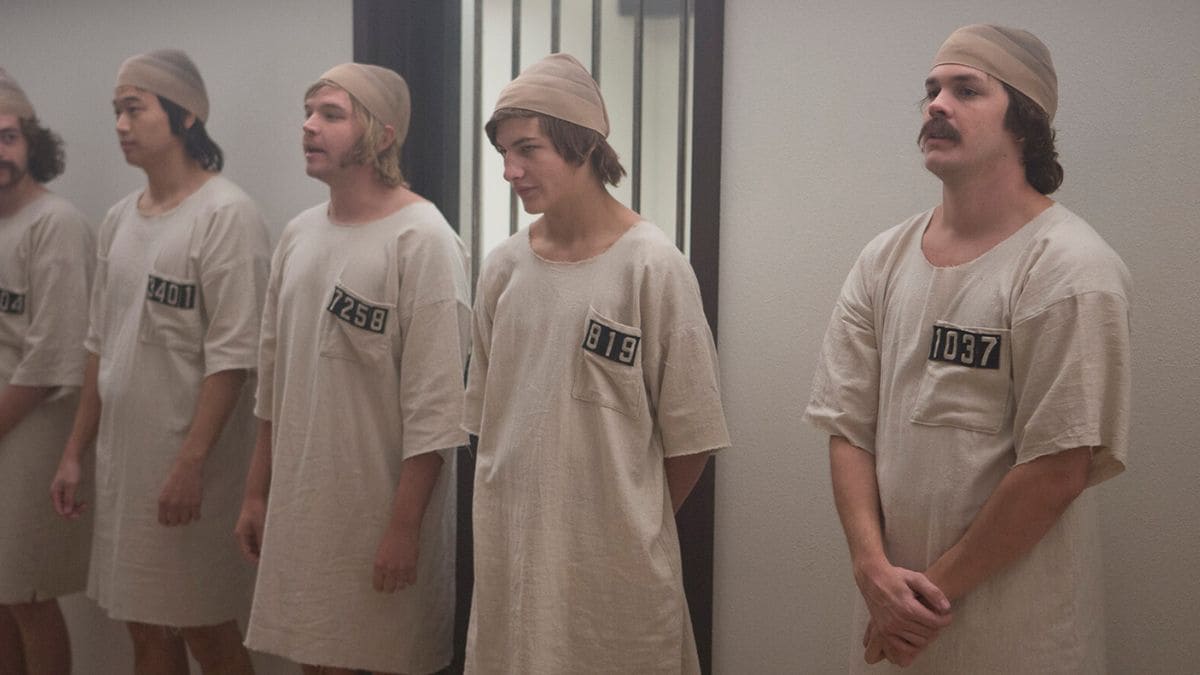
Netflix will premiere *The New Stanford Prison Experiment* on October 21 as a six-episode unscripted series featuring 30 participants randomly assigned as guards or prisoners in a real prison setting. The Week reports the show will examine how power, hierarchy, and institutional pressure shape behavior and ethics — but critics say it turns a discredited and harmful 1971 study into entertainment.
The original Stanford Prison Experiment, conducted by psychologist Philip Zimbardo, was halted after just six days when guards mistreated prisoners. Decades of criticism have exposed serious flaws in its methodology and ethics. Now Netflix is revisiting the concept through a reality lens, sparking debate over whether studying human behavior justifies the potential harm to participants.
The Original Experiment's Dark Legacy
Zimbardo's 1971 study placed 24 male college students into a mock prison, paying them $15 per day to play either guard or prisoner roles. The experiment spiraled quickly into abuse and psychological harm, forcing Zimbardo to shut it down after six days. The Mirror notes the original raised urgent questions about how people behave when given power over others — but the methods crossed ethical lines that would never be allowed today.
Netflix's New Version Draws Sharp Criticism
Headtopics characterizes Netflix's adaptation as an "exercise in cruelty," turning Zimbardo's highly unethical study into a reality competition or game show format. Critics argue the streamer is packaging a discredited experiment as entertainment, risking harm to participants in pursuit of dramatic television. The show's framing as an unscripted series suggests it will lean into conflict and tension rather than careful scientific inquiry.
Executive producer Jane Lipsitz defended the project, calling it "one of the most intense, exhilarating — and definitely nail-biting — experiences we've ever had." She thanked Netflix for supporting ambitious projects that "take risks, push boundaries and tell challenging stories." Yet the framing sidesteps core concerns: whether recreating a harmful experiment for entertainment is ethically defensible.
Why This Moment Raises Ethical Red Flags
The original Stanford study, along with other notorious research abuses from that era, prompted strict new protections for human research participants. Institutional review boards now scrutinize studies to prevent psychological or physical harm. By contrast, reality television operates under entertainment rules, not research ethics — raising the question of whether a show can consent its way into conducting the same harmful experiment twice.
The series will run six episodes of approximately 45 minutes each when it launches October 21. While Netflix pitched 30 willing participants as a safeguard, critics worry that consent forms cannot erase the structural harm built into putting people in a prison hierarchy designed to test how quickly cruelty emerges.
Sentiment
Mostly NegativeNEGATIVENEUTRALPOSITIVE
Publishers
20
Articles
20
Reach
40
A
AnonymousAuthor


