Journalism Adapts to Digital Shifts
Global Journalism Navigates Artificial Intelligence, New Regulations, and Digital Transformation
Anonymous
Key Points
1
The student journalist argues that journalism is often hidden in plain sight, citing Google AI summaries, true-crime stories and celebrity interviews as examples of content audiences may consume without recognizing as journalism.
2
Vietnamese media leaders discussed these changes at the 8th Editors-in-Chief Forum, themed “Vietnamese Revolutionary Journalism - Opportunities in a New Development Space”; speakers also said changes to the legal framework are opening additional space for journalistic activity.
3
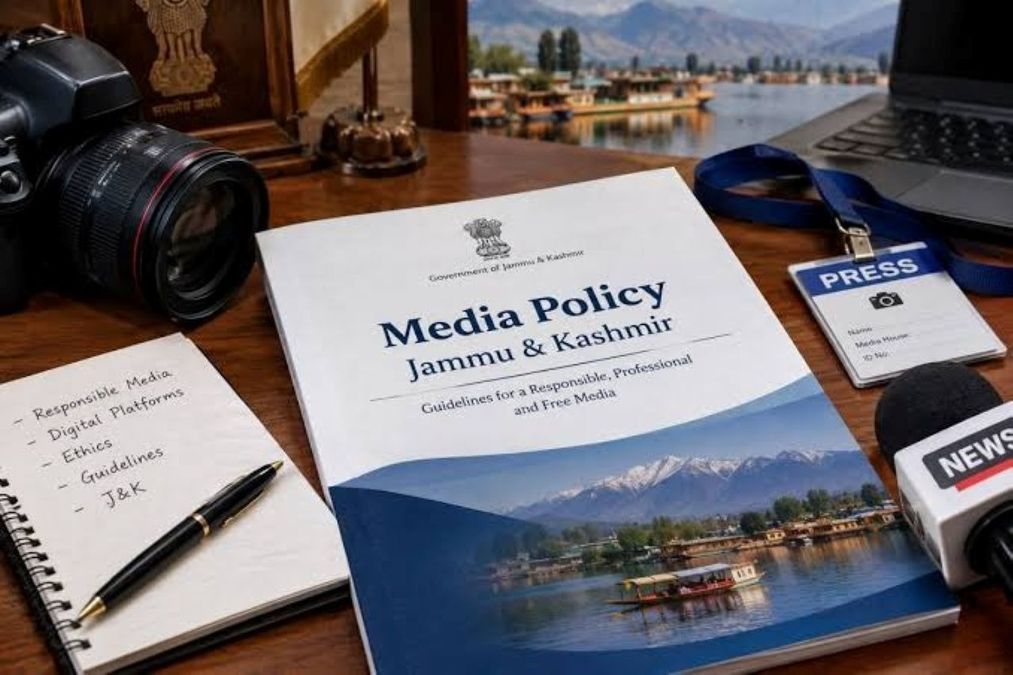
Under the proposed Jammu and Kashmir framework, district administrations are expected to keep lists of unregistered social-media news handles, while the Information Department would develop guidelines and standard operating procedures. The editorial also cites the Information Technology Act and two criminal-law codes as tools for addressing unlawful online activity.
4
Bangladesh roundtable speakers linked calls for youth participation to young people’s role in the July 2024 mass uprising, and urged media to strengthen discussion of good governance and accountability as well as democratic development.
Journalists worldwide are defending their craft while grappling with survival in a digital age. Berkeley Beacon reports that a student journalist argues journalism is "hidden in plain sight"—embedded in Google summaries, crime stories, and celebrity interviews that audiences consume without recognizing as reporting. Meanwhile, Rising Kashmir warns that new media policies risk suppressing independent voices under the guise of fighting misinformation.
From Vietnam to Bangladesh, media leaders are debating how newsrooms must evolve. They're weighing artificial intelligence, social platforms, and new legal frameworks—all while young people and marginalized communities demand a seat at journalism's table.
Why Journalism Remains Hidden Yet Critical
Berkeley Beacon publishes a senior journalism major's defense of the profession: journalism shapes everyday understanding of politics, disasters, and culture—but audiences often don't see the reporting behind it. When you read a Google AI summary, scroll past a true-crime story, or see a celebrity interview, you're consuming journalism without recognizing it. This invisibility makes the work seem less essential than it actually is.
Harlem World Magazine reinforces this argument through Alberto Alvarez, former publisher of The Miami Herald. He calls journalism "essential civic infrastructure"—the backbone institutions rely on for trustworthy information. Yet many Americans don't see newsrooms as vital, even as they depend on reporting daily.
Vietnam's Newsrooms Adapt to AI and Big Data
Vietnamese media leaders gathered at the 8th Editors-in-Chief Forum to discuss rapid change. Digital technology, artificial intelligence, big data, and social platforms are reshaping how newsrooms operate. Speakers urged organizations to pick opportunities that match their own resources and strengths—not chase every new tool.
Legal changes in Vietnam are also opening space for journalism. The country is loosening restrictions that previously constrained reporting. Media leaders see this shift as a chance to experiment with new formats and platforms, though success depends on newsrooms choosing wisely which changes to adopt.
Kashmir's New Media Policy Threatens Editorial Freedom
Rising Kashmir warns that Jammu and Kashmir's proposed New Media Policy, 2026, could weaponize regulation against independent journalism. The framework requires district administrations to track unregistered social-media news handles while an Information Department develops vague guidelines. This creates a tool for control disguised as accountability.
The policy cites the Information Technology Act and criminal-law codes to address unlawful online activity—but the editorial cautions that vague rules combined with government control over advertising budgets could silence dissent. Media outlets that criticize officials risk losing both registration status and ad revenue, the warning suggests.
Bangladesh Calls for Youth Voices in Media and Democracy
A Bangladesh roundtable linked journalism's future to young people's power. The July 2024 mass uprising showed that youth can reshape politics—but media must amplify their perspectives consistently. Roundtable speakers urged outlets to strengthen reporting on governance, accountability, and democratic reform.
The message is clear: journalism isn't just about covering news. It's about creating space for marginalized voices—especially young people—to participate meaningfully in policymaking and democratic change. Media outlets that ignore this risk becoming irrelevant to the audiences most invested in social transformation.
Sentiment
Mostly NegativeNEGATIVENEUTRALPOSITIVE
Publishers
15
Articles
8
Reach
23
A
AnonymousAuthor