Ratepayer Protection Act
U.S. House Plans Vote to Make AI Data Centers Cover Power Infrastructure Costs
Anonymous
Key Points
1
The bill was introduced jointly by Rep. Gabe Evans, a Colorado Republican, and Rep. Kathy Castor, a Florida Democrat; both lawmakers are running in districts rated as competitive “toss ups.”
2
The House Energy and Commerce Committee approved the legislation by a 52-0 vote in July, and Evans’s office says it has 41 House cosponsors.
3
The Senate version was introduced by Ohio Republican Sen. Jon Husted, while Majority Whip John Thune said senators would give it “serious consideration” and examine whether it could move by unanimous consent; the Senate has only three weeks of session scheduled before the November elections.
4
The proposal would codify the White House’s “Ratepayer Protection Pledge,” which has received backing from several technology companies and calls for data centers to pay for their electricity use and related infrastructure upgrades.
5
The legislation is relevant to ongoing development in Colorado: Weld County approved a new data center east of Windsor that is expected to be operated by OpenAI.
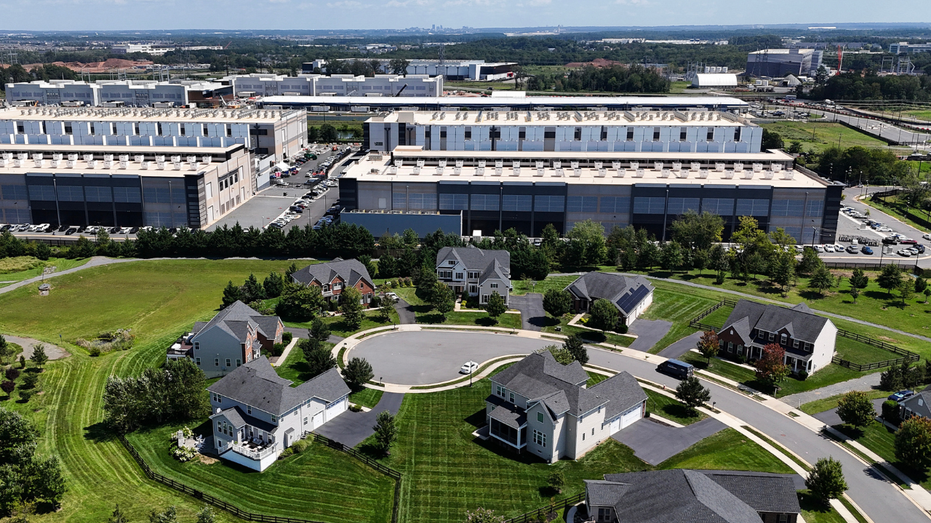
The U.S. House is voting on the Ratepayer Protection Act, a bipartisan bill that would require large AI data centers to pay for new power infrastructure instead of passing costs to households and small businesses. Reuters reported the House passed the legislation, which targets data centers using at least 100 megawatts of electricity. The bill passed the House Energy and Commerce Committee unanimously and has 41 House cosponsors, signaling broad support ahead of the 2026 elections.
Rep. Gabe Evans, a Colorado Republican, and Rep. Kathy Castor, a Florida Democrat, introduced the legislation as data center growth strains electricity grids nationwide. Fox News noted the bill aims to shield communities from rising energy costs tied to AI expansion. The Senate is considering a companion measure, though lawmakers have limited time before the November elections to advance it.
Bipartisan Push Protects Ratepayers From Data Center Costs
The Ratepayer Protection Act codifies the White House's "Ratepayer Protection Pledge," which requires data centers to pay for their own electricity use and infrastructure upgrades. BGov reported the House passed the bill with robust bipartisan backing. Tech companies including those operating large AI facilities have endorsed the pledge, signaling industry support for the measure.
The bill includes safeguards if a data center reduces operations or leaves the grid. These protections ensure ratepayers don't absorb stranded costs. Supporters argue the legislation allows AI expansion to continue while shielding consumers from unexpected electricity rate hikes tied to data center construction and grid upgrades.
Senate Faces Time Crunch on Companion Legislation
The Senate version was introduced by Ohio Republican Sen. Jon Husted. Majority Whip John Thune said senators would give the bill "serious consideration" and examine whether it could move by unanimous consent. However, the Senate has only three weeks of scheduled session time before the November elections, limiting opportunities for a vote.
Passage would require either unanimous consent or carving out floor time in a crowded calendar. The House action puts pressure on the Senate to act quickly if lawmakers want to advance the measure before the legislative session ends. Both chambers face competing priorities and limited time.
Colorado Data Center Project Highlights Real-World Impact
Weld County, Colorado approved a new data center east of Windsor expected to be operated by OpenAI. The project exemplifies why the Ratepayer Protection Act matters: large AI facilities drive massive electricity demand and require grid upgrades that can strain local ratepayers. The legislation would shift infrastructure costs to the operator rather than residents.
Colorado's tech boom and the race to build AI infrastructure nationwide make the bill's timing relevant. As data centers proliferate across the country, lawmakers face pressure to address cost-sharing before utilities pass upgrade expenses to households. The bill represents the first major House effort to tackle the economic impacts of data center expansion.
Sentiment
Mostly NegativeNEGATIVENEUTRALPOSITIVE
Publishers
26
Articles
65
Reach
91
A
AnonymousAuthor


