Rare Coltrane Tapes Released
Impulse! Records will release rare John Coltrane club recordings for his centennial.
Anonymous
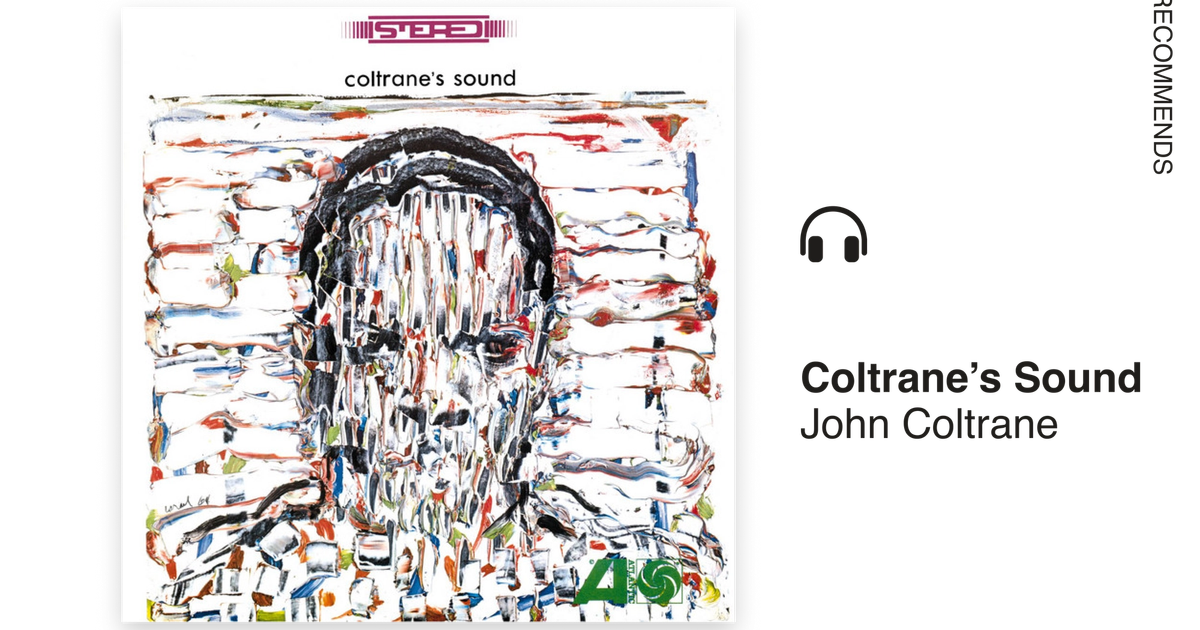
To mark John Coltrane’s 100th birthday, Impulse! Records will release The Tiberi Tapes: The First Studio Recording, a three-hour collection of private recordings made by saxophonist Frank Tiberi at New York and Philadelphia clubs beginning in 1960. The tapes offer an unusually intimate record of Coltrane’s quartet developing ideas in real time, capturing the intensity, harmonic sophistication and spiritual force that defined his emergence as a major jazz innovator. A larger edition planned for 2027 will include more than 80 performances and nearly 26 hours of audio. The centennial has also renewed attention to Coltrane’s broader legacy, from his transformation through disciplined practice and recovery from addiction to landmark works such as A Love Supreme and his influence on jazz’s artistic and spiritual possibilities. A surviving 1966 interview from Coltrane’s Japan tour provides an additional glimpse of the private thinker behind the music.
Key Points
1
The first release is scheduled for Nov. 6 and will be issued in three formats: a four-LP set, a three-CD set and a digital edition. The planned 2027 complete edition will add a custom USB drive, an LP and a deluxe book.
2
Frank Tiberi began recording Coltrane after finding that the saxophonist’s club performances went far beyond his studio records: “I had all of them. To me they were not anywhere near the kind of playing and inspiration that he would display at a club.” He purchased a Concertone TR-100 Transicorder and a small condenser microphone in the summer of 1960.
3
The recordings show that Coltrane’s experimentation remained grounded in traditional forms: his quartet continued to work within the 32-bar AABA song structure while stretching it through advanced harmony, motivic development and the blues. At Philadelphia’s Showboat, a predominantly Black local audience responded to the band’s playing with shouts compared by the reviewer to a Pentecostal revival.
4
The surviving 1966 interview was recorded on July 9, shortly after Coltrane arrived in Tokyo, at the Tokyo Prince Hotel with Japanese broadcaster Kazuaki Tsujimoto. The discussion covered not only music and other musicians but also Coltrane’s life, diet and ideas about what music could communicate.
5
Coltrane’s development was shaped by several formative experiences not detailed in the summary: he first mastered clarinet as a teenager in North Carolina, enlisted in the Navy during World War II and was assigned to a Pearl Harbor swing band, and later chose tenor saxophone after meeting Charlie Parker, whose playing he said “hit me right between the eyes.”
Sentiment
Mostly PositiveNEGATIVENEUTRALPOSITIVE
Publishers
18
Articles
1
Reach
19
Topics
A
AnonymousAuthor


