Secondhand Vaping Harms Children
New Research Links Home Vaping and Smoking to Severe Asthma and Stunting in Children
Anonymous
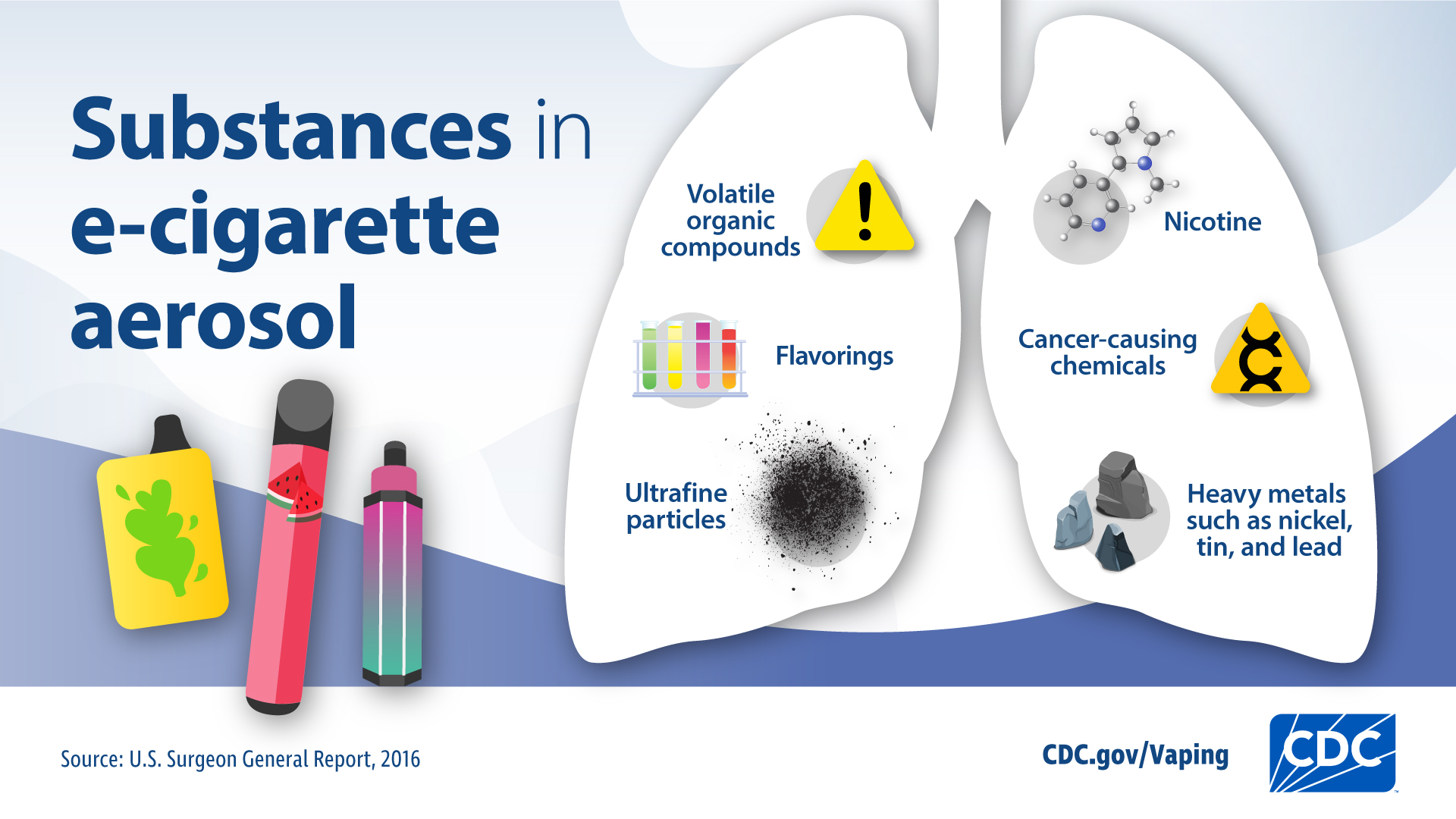
Research links children’s exposure to tobacco smoke at home with poorer health, including higher rates of stunting in a large study across 29 sub-Saharan African countries. Separate research involving more than 48,000 pediatric visits found that household e-cigarette exposure was independently associated with asthma flare-ups and activity-related symptoms, while exposure to both vaping and combustible tobacco had the strongest links to poor asthma control, including more symptoms, rescue inhaler use and hospital admissions. The findings challenge the idea that vaping is harmless to children as a source of secondhand exposure; researchers recommend screening for all household nicotine and tobacco use and offering caregivers evidence-based help to quit.
Key Points
1
In the sub-Saharan Africa study, 24.7% of children were stunted and 21.1% were exposed to tobacco smoke at home. After adjustment for other factors, children whose mothers smoked had an 11% higher prevalence of stunting; daily smoking inside the home was associated with a 3% higher prevalence.
2
The association between household tobacco-smoke exposure and stunting was stronger among children aged 24 to 59 months than among children under two.
3
In the asthma study, household exposure was reported in 5% of visits for both tobacco and e-cigarettes, 9% for tobacco only and 3% for e-cigarettes only.
4
The study reported that children exposed to both smoking and vaping at home were 40% more likely to have uncontrolled asthma and 30% more likely to experience nighttime or activity-related symptoms. Vaping-only exposure was associated with 30% higher odds of asthma flares and 40% higher odds of activity-related symptoms.
5
The asthma findings were presented at the American Academy of Pediatrics 2026 National Conference & Exhibition and published in the American Journal of Respiratory and Critical Care Medicine.
Sentiment
Mostly NegativeNEGATIVENEUTRALPOSITIVE
Publishers
9
Articles
86
Reach
95
A
AnonymousAuthor


