Supreme Court Prediction Markets
New Jersey asks Supreme Court to review prediction market gambling laws.
Anonymous
Key Points
1
There is a circuit split on Kalshi: a Ninth Circuit ruling has cleared Western states to block Kalshi’s popular event contracts by applying state gambling laws, arguing that sports bets are not swaps, which contrasts with the Third Circuit’s ruling that favored Kalshi.
2
Kalshi launched its sports-event contracts in January 2025 after self-certifying them with the CFTC, and New Jersey has since issued a cease-and-desist letter to Kalshi over alleged violations of state wagering laws.
3
New Jersey filed a 332-page petition with the Supreme Court seeking review, arguing that the Third Circuit’s interpretation of the CFTC’s authority and the preemption of state gambling laws is profoundly misplaced.
4
The Third Circuit’s April 2026 ruling in Kalshi’s favor was a 2-1 decision upholding the CFTC’s exclusive jurisdiction over swaps and its preemption of state wagering laws in this context.
5
Enforcement actions and opposition to Kalshi span dozens of states, with officials citing civil enforcement cases in at least 20 states and broader cross-ideological objection to the platforms.
New Jersey is asking the Supreme Court to block prediction-market platforms like Kalshi, arguing they operate illegally without following state gambling safeguards. ABC News reports the state filed a 332-page petition seeking to overturn a federal appeals court ruling that sided with Kalshi. The case centers on whether federal law overrides state gambling protections against compulsive betting, insider trading, and underage users.
The Supreme Court could decide the case later this fall, potentially reshaping how prediction markets operate nationwide. Yahoo News notes this marks the first state to take this fight to the nation's highest court. A split between federal appeals courts has created conflicting rulings on whether Kalshi's contracts count as federally regulated swaps or unregulated sports bets.
Kalshi's Explosive Launch Into Sports Betting
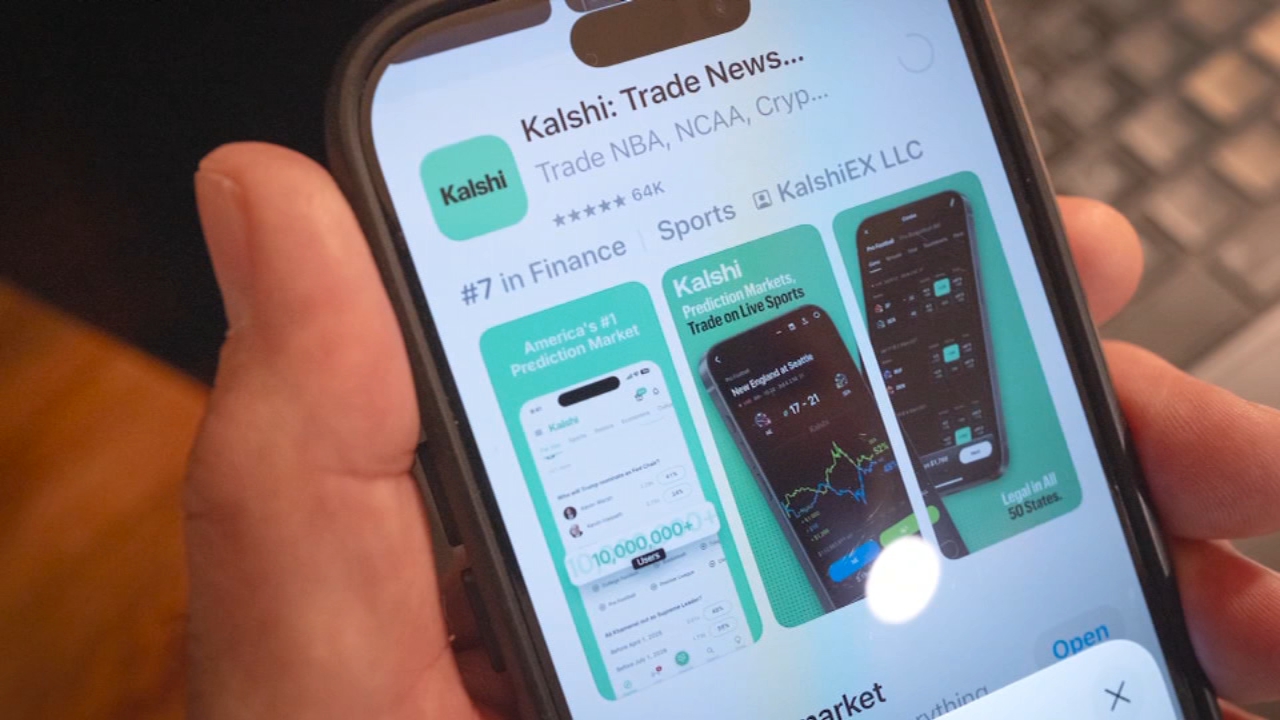
Kalshi launched sports-event contracts in January 2025 after notifying the Commodity Futures Trading Commission (CFTC) it would trade these contracts. Deadspin explains the company claims federal regulators gave it the green light. New Jersey immediately issued a cease-and-desist letter, alleging Kalshi violated state wagering laws by operating without licenses or safeguards.
The CFTC classifies these contracts as 'swaps' — financial derivatives regulated at the federal level. Kalshi argues this federal classification bars states from blocking its operations. New Jersey counters that swaps aren't sports bets, and states retain power to enforce gambling protections within their borders.
A Split Decision From Federal Courts
In April 2026, a three-judge federal appeals court (the Third Circuit) sided with Kalshi in a 2-1 decision. The majority ruled the CFTC's authority over swaps preempts state gambling laws. ABC News reports New Jersey rejected this logic, filing its Supreme Court petition to reverse the ruling.
A separate federal appeals court — the Ninth Circuit — reached the opposite conclusion, allowing Western states to block Kalshi's contracts under state gambling rules. This circuit split gives the Supreme Court reason to review the case and settle conflicting interpretations across the country.
Dozens of States Pushing Back Against Kalshi
New Jersey is not alone. At least 20 states have launched enforcement actions or opposed Kalshi's operations. Yahoo News notes this broad, cross-party opposition reflects shared concerns: unregulated betting platforms expose minors, compulsive gamblers, and markets to manipulation through insider information.
State officials argue prediction markets lack basic protections that licensed sportsbooks must follow — age checks, loss limits, and fraud monitoring. If the Supreme Court rules for New Jersey, it could invalidate Kalshi's licenses and trigger dozens of pending lawsuits. A Kalshi win would cement federal preemption and shield the company from state-level enforcement.
What the Supreme Court's Decision Could Mean
The Court's ruling will determine whether federal financial regulators or state gambling cops hold power over prediction markets. A broad preemption victory for Kalshi would let similar platforms operate nationwide without state gambling licenses or restrictions. 6ABC reports the decision could reshape the entire prediction-market industry.
A win for New Jersey would affirm state authority to block or regulate these platforms. Either way, the stakes are enormous: prediction markets represent a growing sector, and the outcome will set ground rules for how they function across America.
Sentiment
Mostly NegativeNEGATIVENEUTRALPOSITIVE
Publishers
13
Articles
30
Reach
43
A
AnonymousAuthor


