Venezuela Democracy Talks Divide
US-backed Venezuela democracy talks begin amid deep political divisions over future elections.
Anonymous
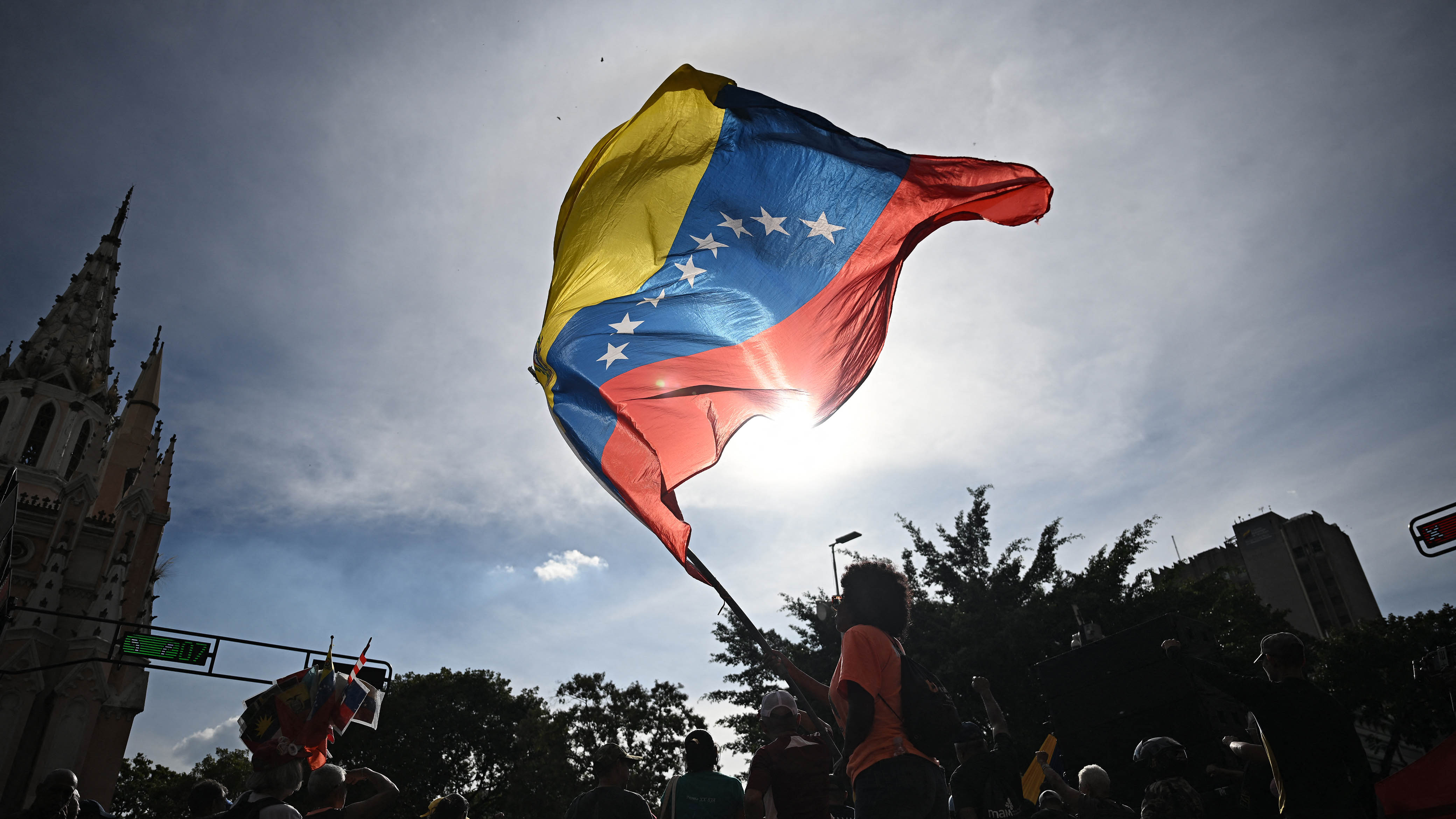
U.S.-backed political talks aimed at restoring democracy in Venezuela are set to begin — even though key players on both sides have refused to fully join in. Opposition leader María Corina Machado said she will not take part in designing the negotiations, while hardliners inside the ruling coalition have rejected them outright, according to Miami Herald.
The talks come after a dramatic turning point: former President Nicolás Maduro was captured by U.S. forces in January. The negotiations are meant to chart a path toward future elections in the long-troubled South American nation, Star-Telegram reported.
Machado Steps Back Without Blocking the Process
Machado, one of Venezuela's most prominent opposition figures, has not been inside the country since she left last year to accept the Nobel Peace Prize. She announced she will sit out the talks' design phase. But she stopped short of killing the effort entirely, saying she will not stand in the way of any initiative that produces real results, News Observer reported.
Her position puts the opposition in a tricky spot. Talks can move forward, but without her direct involvement, they lack the endorsement of the movement's most recognized leader. That gap could weaken the credibility of any deals reached at the table.
Chavismo Splits Over Whether to Negotiate at All
The ruling coalition is not united either. Hardliners within the movement founded by the late Hugo Chávez — Maduro's predecessor — have come out against the talks, Herald Sun reported. That split shows the Chavista bloc is fractured in the wake of Maduro's capture, with some members willing to engage and others refusing any compromise.
The division matters because any agreement will need at least some buy-in from those who still control parts of Venezuela's government and military. Without that, deals made at the negotiating table may be hard to enforce on the ground.
US Pushes Talks Forward After Maduro's Capture
Washington is backing the negotiations as a way to stabilize Venezuela and set up free elections after Maduro's removal from power in January. The U.S. capture of Maduro marked a sharp break from years of failed pressure campaigns, sanctions, and previous rounds of stalled talks, according to The State.
This round of talks is different in one key way: Maduro is gone. That removes the main obstacle that blocked past negotiations. But it also creates a power vacuum, and competing factions are now fighting over what comes next for Venezuela's political future.
What Has to Happen for the Talks to Succeed
For the negotiations to move forward meaningfully, organizers must bridge deep distrust between opposition figures, Chavista holdovers, and U.S. interests. Machado's conditional stance — not blocking talks but not shaping them either — leaves a leadership gap that could stall progress, Tri-City Herald reported.
The core goal is simple: set a date and a framework for credible elections. But getting all sides to agree on rules, candidates, and international oversight has defeated every prior attempt at a Venezuelan political settlement. Whether this round ends differently remains an open question.
Sentiment
NeutralNEGATIVENEUTRALPOSITIVE
Publishers
12
Articles
12
Reach
12
A
AnonymousAuthor


