ICC Leadership Crisis
International Criminal Court Ousts Chief Prosecutor Amid Misconduct Allegations and Mounting Challenges
Anonymous
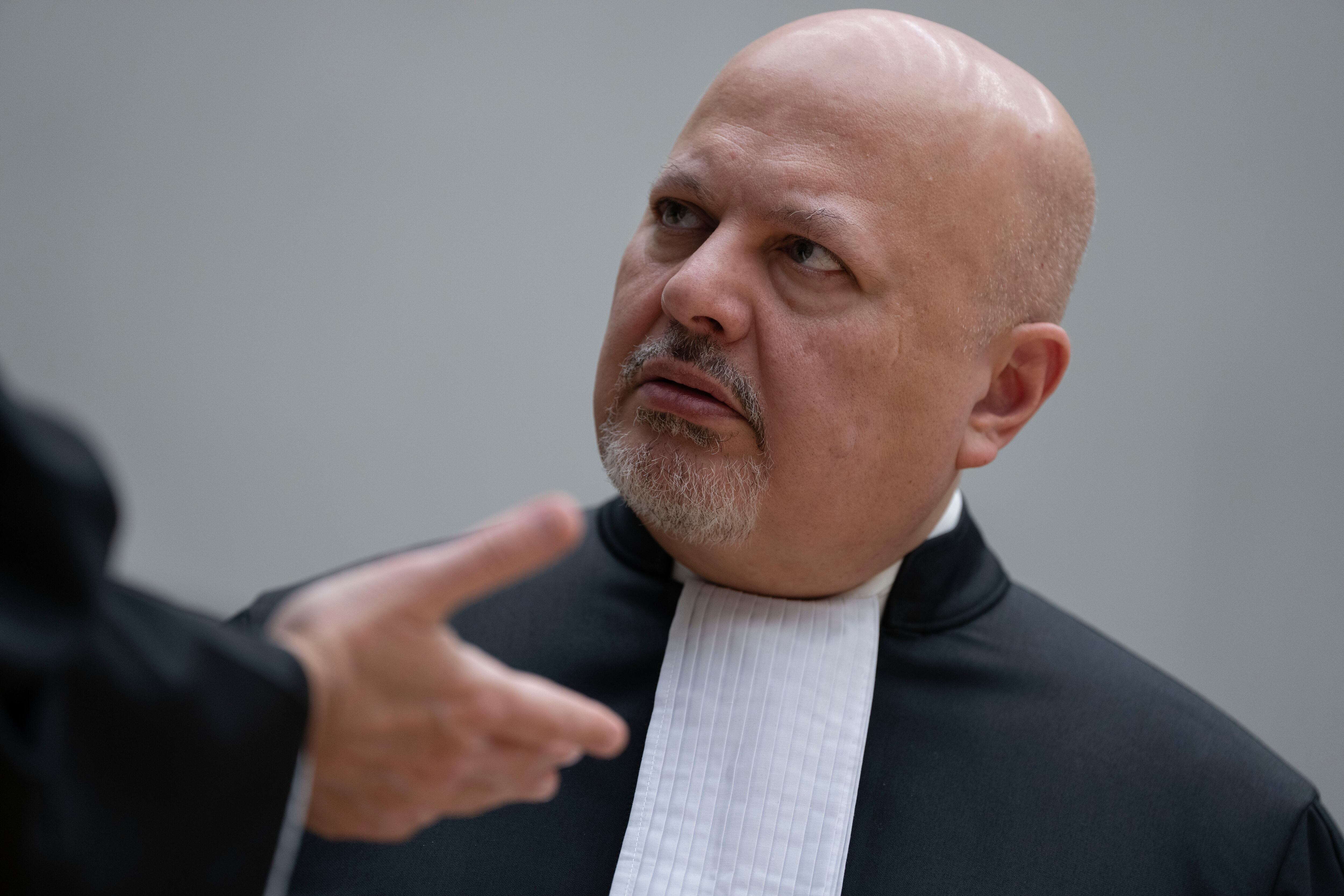
The International Criminal Court lost its chief prosecutor after a large majority of its 125 member states voted to remove Karim Khan over allegations of sexual misconduct, according to The Independent. Khan has denied the allegations. The ouster leaves the world's top war crimes court without its top legal officer at a critical moment.
The ICC was already under serious pressure before Khan's removal. The United States has been running a campaign to "dismantle" the court, according to Newsday. Now the institution must find a new chief prosecutor while keeping its ongoing investigations alive.
How Khan's Removal Unfolded and What Comes Next
Member states of the ICC voted by a large majority to push Khan out of his role, according to Click On Detroit. The vote marked a rare and dramatic move — prosecutors are not often removed from international courts. Khan's tenure had been overshadowed for months by the misconduct allegations.
The ICC's work will not stop while the search for a new chief begins, according to Winnipeg Free Press. Deputies will keep investigations moving forward. The process of selecting a new chief prosecutor is expected to take time, leaving the court in a period of uncertainty.
US Pressure Campaign Threatens the Court's Foundation
The Trump administration has been working to weaken the ICC, according to News4Jax. Washington's campaign to "dismantle" the court adds a heavy political burden on top of the internal leadership crisis. The ICC has no enforcement arm of its own and depends on member states to carry out arrests.
The US is not a member of the ICC, but its influence is still significant. Sanctions and other pressure tools can limit the court's ability to operate globally. The timing of Khan's removal leaves the court with less political cover to push back against that pressure.
Venezuela Exits, and Key Nations Seek to Avoid Gridlock
Venezuela announced it would withdraw from the ICC, citing what it called a "demonstrated geographical bias" in the court's work, according to Click2Houston. The move is a blow to the court's reach in Latin America. Venezuela had been under ICC scrutiny over alleged crimes against its own citizens.
Several countries where the ICC has open investigations held meetings to figure out how to avoid potential roadblocks, according to Bozeman Daily Chronicle. The goal was to keep cases moving even as the court deals with its leadership gap. No specific outcomes from those talks were immediately reported.
What the ICC's Future Looks Like Without Its Top Prosecutor
The ICC was set up in 2002 to prosecute war crimes, crimes against humanity, and genocide. It has 125 member states. Losing its chief prosecutor mid-term is a serious blow to its credibility, according to Click Orlando.
The court must now rebuild trust while defending itself from outside attacks. Finding a new prosecutor who commands broad support from member states will not be easy. How quickly that happens could determine whether the ICC can hold its standing as a serious global legal institution, according to Seattle Times.
Sentiment
NeutralNEGATIVENEUTRALPOSITIVE
Publishers
10
Articles
10
Reach
10
A
AnonymousAuthor


